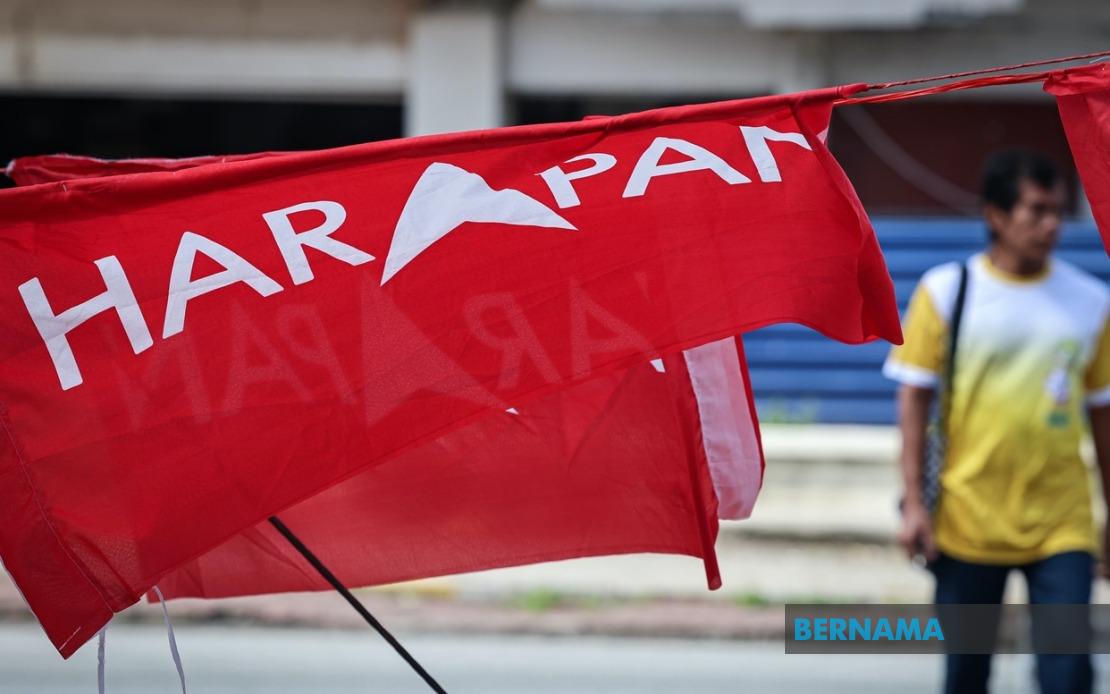
Pakatan Harapan's campaign machinery in Johor is entering the final stretch of the state election with a deliberately calibrated strategy designed to saturate the electoral landscape through both traditional and contemporary channels. As voters prepare to cast ballots on July 11, the coalition's 16 assembly candidates are leveraging what party strategists describe as a hybrid approach: pairing time-tested ground organisation with sophisticated digital outreach to ensure their message penetrates every stratum of society. This combination reflects a broader recognition within opposition politics that modern elections demand simultaneous presence in physical and virtual spaces to effectively reach diverse voter cohorts ranging from rural communities to urban digital natives.
The mechanics of this dual-track approach reveal significant shifts in how Malaysian political campaigns operate. Candidates have established what amounts to a "virtual campaign headquarters" on social media platforms, using digital channels not merely for broadcast announcements but as genuine two-way interaction spaces where voters can pose questions, share concerns, and receive rapid responses. This transformation of social media from a propaganda outlet to an engagement platform represents a maturation in opposition campaign methodology, acknowledging that contemporary voters increasingly expect responsive, conversational politics rather than top-down messaging. The strategy allows candidates to bypass traditional media gatekeepers entirely, addressing voter concerns directly and building bases of engaged supporters who feel genuinely heard.
TikTok has emerged as an unexpectedly potent weapon in this digital arsenal. Several candidates have discovered that the platform's inherent informality—the relaxed delivery style that the professional political establishment once regarded with suspicion—actually resonates powerfully with audiences fatigued by stiff, prepared statements. Tiram assemblyman candidate Nor Zulaila Abd Ghani exemplifies this approach, leveraging the platform's casual aesthetic to communicate substantive policy positions without the pretension that mars much traditional political communication. Social media users responding to her content have explicitly praised this blend of accessibility and substance, indicating that voters are receptive to politicians who can be simultaneously earnest and unpretentious. This TikTok strategy carries particular significance for younger voters, who comprise an increasingly important electoral demographic and frequently reject conventional political messaging as inauthentic.
Beyond TikTok's viral potential, other candidates have tailored platform selection to their specific strengths and target audiences. Dr Maszlee Malik in Puteri Wangsa has established a WhatsApp Channel titled "Gerak Sama Dr Maszlee Malik," recognising that WhatsApp remains the dominant messaging application across Malaysia's middle-income and working-class households. This channel serves as a direct conduit between candidate and constituent, enabling supporters to follow campaign developments and submit grievances without the algorithmic filtering that affects Facebook and Instagram visibility. Meanwhile, Machap candidate Nor Hafiz Roslan has positioned himself on Facebook, where his messaging emphasises his background as both lawyer and community activist—a combination calculated to appeal to voters concerned with both legal protections and grassroots advocacy. Tanjung Surat's Faizul Abdul Ghani has deployed mobile campaigning through "Jelajah Trak Harapan," a caravan-style operation that brings the candidate directly to scattered communities, demonstrating that mobility itself can function as political message.
The appearance of senior party figures on the ground amplifies this multi-channel strategy considerably. Penang Chief Minister Chow Kon Yeow's presence alongside incumbent Simpang Jeram assemblyman Nazri Abdul Rahman signals both organisational confidence and senior-level commitment to the Johor contest. Such high-profile interventions serve multiple simultaneous purposes: they boost local candidate morale, signal to undecided voters that the party takes their state seriously, and generate media coverage that extends campaign reach beyond what local-level candidates could independently achieve. Chow's explicit call for Johor voters to grant PH the mandate frames the election not as a routine state-level contest but as a crucial inflection point for governance quality and inclusive administration across the state.
The timing of this final campaign push carries particular strategic weight. With five days remaining before the July 11 polling, candidates operate within a narrow window where momentum becomes decisive. Voters who remain undecided at this stage are typically those requiring either intensive personal contact or compelling social media messaging to crystallise their preferences. By saturating both offline and online spaces simultaneously, PH candidates maximise the probability that fence-sitters encounter their message through whichever medium they habitually consume. The hybrid strategy essentially eliminates the possibility that voters can avoid engagement with the campaign through selective media consumption—a sophisticated application of political saturation tactics.
For Malaysian observers and regional political analysts, the Johor campaign illustrates broader trends reshaping electoral competition across Southeast Asia. As digital literacy expands and younger demographics constitute larger voting blocs, parties that fail to master cross-platform campaigning face structural disadvantages. Simultaneously, the persistence of traditional ground organising demonstrates that social media presence alone remains insufficient—voters still value personal encounters with candidates and the tangible evidence that politicians invest effort in meeting constituents face-to-face. The winning formula increasingly involves seamless integration of both modalities, with digital channels amplifying rather than replacing direct voter contact.
The Election Commission's scheduling of early voting for security forces on July 7 adds tactical complexity to final-week campaigning. Parties must simultaneously maintain momentum for ordinary polling day while ensuring that the security personnel eligible for early voting receive adequate campaign exposure beforehand. This compressed timeline requires candidates to sustain intensity across multiple fronts without exhaustion, testing organisational discipline and volunteer morale. PH's visible deployment of senior leadership suggests confidence in their ground game's capacity to sustain the effort through polling day proper.
The coalition's strategic choices in Johor carry implications extending beyond the state itself. As a major electoral battleground with significant Chinese and Indian voter populations alongside the Malay-Muslim majority, Johor results will signal whether opposition parties can successfully compete in demographically diverse constituencies using modernised campaign techniques. Success here would validate the hybrid strategy as a replicable model for upcoming contests in other states, while setbacks would suggest that digital innovation alone cannot overcome structural or demographic barriers to opposition advancement. The stakes transcend Johor's 56 state assembly seats, touching on fundamental questions about opposition electoral viability in Malaysia's evolving political landscape.

