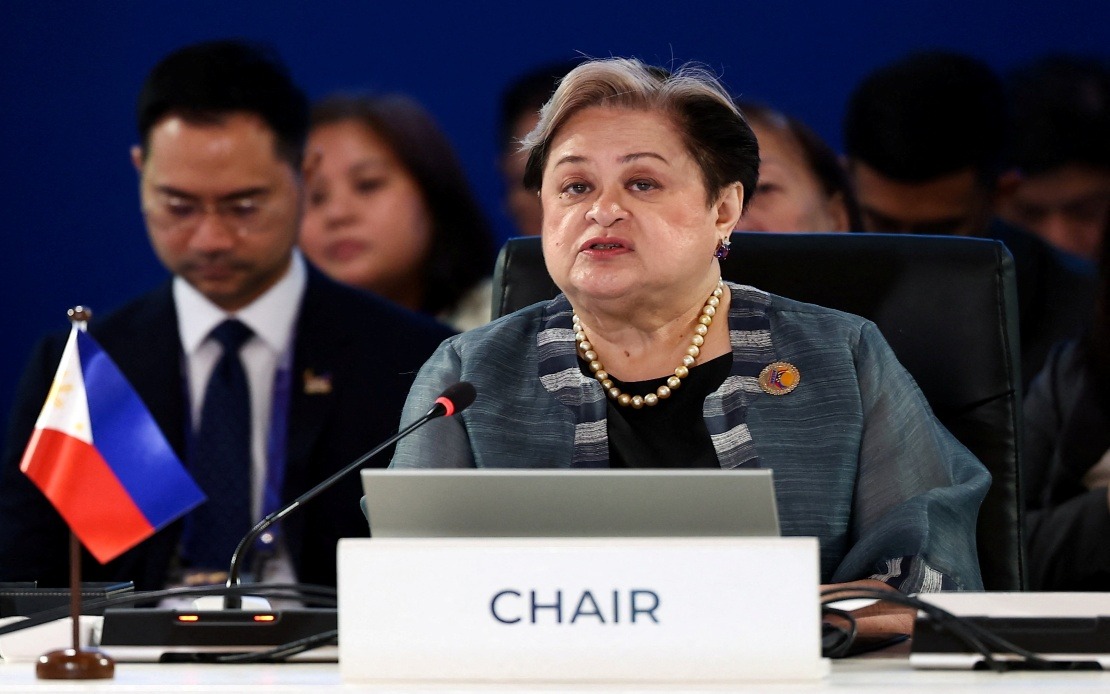
The Philippines, in its capacity as chair of the Association of Southeast Asian Nations, is preparing to spearhead a significant humanitarian intervention in Myanmar before the year ends. Foreign Affairs Secretary Ma. Theresa Lazaro, acting as the bloc's special envoy on Myanmar affairs, will personally lead the mission aimed at delivering aid to populations affected by the country's protracted conflict and political instability. The Department of Foreign Affairs confirmed the initiative on Tuesday, following intensive diplomatic consultations that Lazaro undertook in Thailand earlier this month.
The timing of this announcement carries particular weight given Myanmar's ongoing humanitarian crisis. The country has been engulfed in internal conflict since the military's 2021 coup, triggering a cascade of violence that has displaced hundreds of thousands and created severe shortages of food, medicine, and basic services across multiple regions. By committing to lead a humanitarian mission, the Philippines is signalling ASEAN's continued engagement with Myanmar despite the bloc's well-documented frustrations with the junta's slow progress on the regional consensus framework.
Lazaro's diplomatic groundwork in Bangkok from July 12 to 13 reflected the complexity of managing ASEAN's Myanmar approach. She conducted separate discussions with Myanmar's Foreign Minister U Tin Maung Swe and convened an informal gathering of ASEAN foreign ministers alongside their Myanmar counterpart. This marked the first direct, in-person engagement between the regional bloc's foreign ministers and Myanmar's diplomatic leadership since 2021, underscoring the significance of restoring high-level channels of communication that had been severed during the post-coup period.
Central to these discussions was the Five-Point Consensus, ASEAN's framework for resolving Myanmar's political crisis. Adopted in 2021, the five-point plan calls for an end to violence, dialogue among all parties, humanitarian assistance, and mediation by an ASEAN special envoy. During the Bangkok meetings, regional ministers reaffirmed that this consensus remains the cornerstone of any path forward, despite limited concrete progress in its implementation over the past three years. Myanmar's junta has repeatedly promised compliance while continuing military operations against opposition forces and ethnic armed organisations.
The Myanmar government delegation used the platform to outline its own initiatives, including a 100-day peace plan and measures targeting transnational crime networks that have thrived amid the instability. U Tin Maung Swe briefed colleagues on the junta's purported efforts to implement the Five-Point Consensus action items, though scepticism about the regime's genuine commitment to dialogue and reform remains widespread among Myanmar's fractious opposition and international observers. ASEAN's cautious engagement reflects the bloc's desire to maintain influence without endorsing or legitimising military rule.
A particularly significant element of Lazaro's diplomatic mission involved separate engagement with Myanmar's ethnic armed organisations and the National Solidarity and Peacemaking Negotiation Committee on July 13. These non-state actors represent substantial segments of Myanmar's population and control significant territory, making their participation essential to any genuine political resolution. The discussions centred on advancing an inclusive national dialogue that brings together competing factions, from the junta to the opposition National Unity Government to ethnic resistance movements.
According to the Department of Foreign Affairs statement, representatives from these diverse groups expressed openness to dialogue processes and acknowledged the importance of constructive engagement. The emphasis on careful preparation of all parties suggests recognition that rushed or poorly coordinated talks could collapse, as previous attempts at Myanmar dialogue have done. Building consensus among such disparate actors requires sustained engagement and trust-building, roles that ASEAN positioning hopes to facilitate through the humanitarian mission and ongoing diplomatic channels.
The humanitarian mission itself will focus on expanding access to areas desperately needing assistance. Myanmar's conflict has created a complex humanitarian landscape where different regions remain under junta control, opposition administration, or ethnic armed group governance. Delivering aid to multiple jurisdictions without appearing to favour any faction while maintaining security for humanitarian workers represents a formidable operational challenge. The mission's success will depend partly on securing cooperation from all military and non-state actors controlling territory.
For Malaysia and other ASEAN members, this Philippine-led initiative carries implications for regional stability and cohesion. Myanmar's continued instability threatens to destabilise the broader Southeast Asian region, fuelling cross-border trafficking, refugee flows, and transnational criminal networks that directly affect neighbouring countries. Malaysia, which hosts significant Myanmar refugee populations and confronts drug trafficking from the Golden Triangle, has clear interests in supporting peace efforts and humanitarian access that can address root causes of displacement and instability.
The DFA indicated that the mission proposal has already secured support from all stakeholders consulted during the Bangkok meetings. Such consensus is notable given ASEAN's tendency toward discord on Myanmar, with some members prioritising engagement with the junta while others lean toward stronger pressure tactics. The humanitarian framing of the mission may explain this unusual alignment, as few actors can publicly oppose efforts to alleviate civilian suffering, even while disagreeing on broader political strategies toward Myanmar's military government.
Looking ahead, the success of this humanitarian mission could reshape ASEAN's approach to Myanmar. If the initiative demonstrates that constructive engagement yields tangible benefits for affected populations and contributes to dialogue momentum, it might embolden further regional initiatives. Conversely, if the mission proves ineffective or faces obstruction, it could reinforce perceptions that ASEAN's consensus-based diplomacy lacks teeth when confronting determined resistance from powerful actors like Myanmar's junta.
The Philippine leadership under the ASEAN chair will face the difficult task of balancing humanitarian imperatives with diplomatic realities. Myanmar's military rulers have shown limited willingness to cede power or meaningfully implement the Five-Point Consensus, yet ASEAN's effectiveness depends on maintaining channels of influence rather than severing them through isolation. The humanitarian mission represents an attempt to thread this needle, demonstrating regional commitment to Myanmar's people while keeping diplomatic doors open to their current rulers.

