The Philippines will convene a significant diplomatic gathering in Bangkok this weekend as ASEAN chair, bringing together the bloc's foreign ministers with Myanmar's U Tin Maung Swe for talks aimed at advancing the regional consensus on the crisis-torn nation. The informal consultation, scheduled for Sunday July 12 at the Thai capital, carries considerable symbolic weight as the first in-person meeting between ASEAN's diplomatic leadership and Myanmar since the military seized power in February 2021. The Department of Foreign Affairs announced the session on Friday, signalling the Philippines' commitment to maintaining dialogue with Myanmar despite the political turbulence that has engulfed the Southeast Asian neighbour.
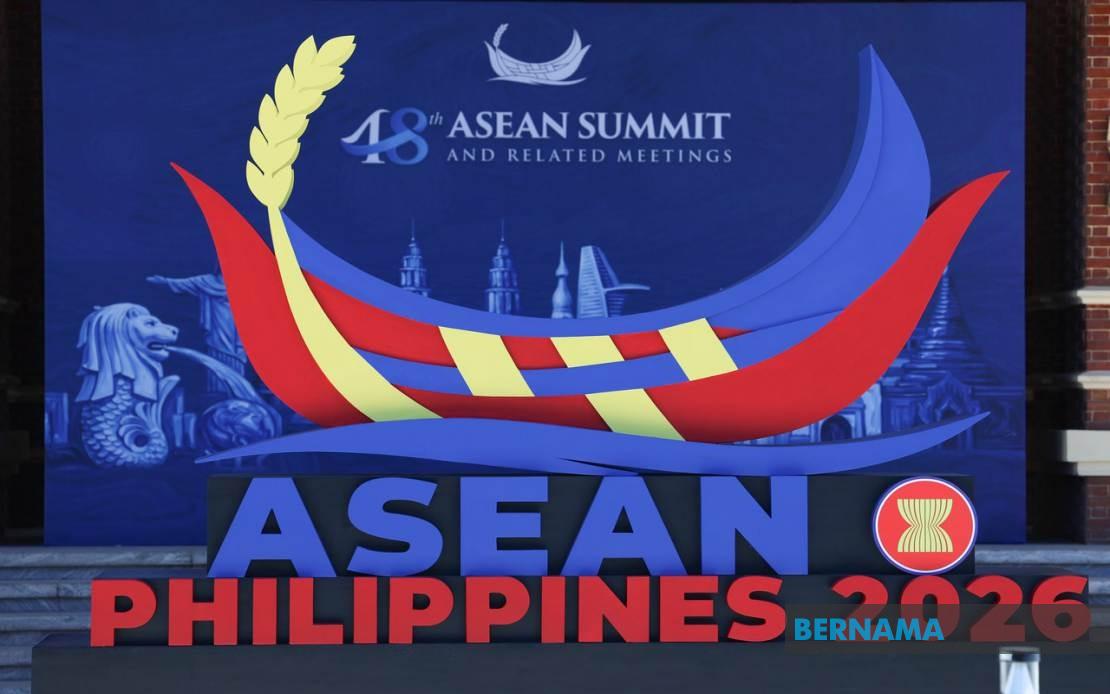
The significance of this gathering lies in ASEAN's delicate balancing act between principle and pragmatism. For over two years, Myanmar has remained largely isolated from meaningful international engagement following the coup that deposed civilian leader Aung San Suu Kyi. Yet the bloc has consistently maintained that Myanmar remains an integral member of the ASEAN family, a position that reflects both the regional body's consensus-based approach and its strategic interest in preventing further destabilisation in the region. By hosting this informal consultation, the Philippines demonstrates ASEAN's determination to keep diplomatic channels open, even as the situation on the ground deteriorates. The timing is particularly noteworthy, coming after the 48th ASEAN Summit held in Cebu, where regional leaders explicitly tasked their foreign ministers with sustaining what they described as constructive and principled engagement with the junta.
U Tin Maung Swe's participation is crucial to understanding the meeting's objectives. As Myanmar's representative at the talks, the foreign minister will provide ASEAN delegates with a briefing on the current state of affairs within Myanmar, offering insights into how the military administration views both its domestic situation and regional relationships. This direct communication channel remains vital for ASEAN, as it provides opportunity to understand Myanmar's perspective firsthand rather than relying solely on reports from international media or independent observers. The formal agenda will focus on extracting substantive positions from the Burmese delegation regarding violence, dialogue among conflicting parties, and humanitarian concerns—key pillars of ASEAN's Five-Point Consensus adopted as a response mechanism to the coup.
The Five-Point Consensus framework represents ASEAN's attempt to establish common ground for Myanmar's path forward. The agreement emphasises cessation of violence, constructive dialogue among concerned parties, provision of humanitarian assistance, and a commitment to finding peaceful solutions through ASEAN mediation. Foreign ministers attending the Bangkok meeting will specifically probe whether Myanmar is prepared to demonstrate tangible progress on these fronts. The informal nature of the consultation provides flexibility for candid discussions without the rigid protocols that accompany formal summits, potentially creating space for both parties to articulate positions more freely. However, the repeated emphasis on the Five-Point Consensus suggests underlying frustration within ASEAN at the pace of implementation.
For Malaysia and other ASEAN members, this meeting carries immediate relevance. The Myanmar crisis has created spillover effects throughout the region, including refugee flows, economic disruption, and security concerns along shared borders. Malaysia, which shares maritime boundaries with Myanmar and hosts significant Myanmar refugee and migrant worker populations, has particular interest in stability outcomes. The success or failure of ASEAN's constructive engagement approach will influence how member states manage their bilateral relationships with Myanmar and coordinate humanitarian responses. Additionally, the consistency of ASEAN's messaging on Myanmar affects the bloc's credibility with dialogue partners and its standing in regional geopolitics.
The broader context of Southeast Asian stability also underpins these talks. Myanmar's internal conflict has not remained contained within its borders; it has complicated regional security architecture and divided ASEAN's approach to external powers seeking influence. Some members have advocated stronger pressure on the junta, while others emphasise the importance of maintaining dialogue. This Bangkok meeting will test whether ASEAN can maintain unity while pursuing its engagement strategy. The informal format may help bridge these differences by allowing frank exchanges without committing individual members to rigid positions.
The meeting also reflects evolving attitudes within ASEAN toward Myanmar's trajectory. Initially, the bloc hoped for rapid resolution through dialogue, but nearly three years of military rule, ongoing violence, and limited democratic progress have tempered optimism. The decision to continue engagement rather than escalate pressure or suspend Myanmar's participation suggests ASEAN believes dialogue remains more productive than isolation, though patience is clearly wearing thin. The foreign ministers will assess whether Myanmar shows any genuine commitment to addressing the concerns outlined in the Five-Point Consensus or whether the military regime remains intransigent.
Humanitarian dimensions will feature prominently in discussions. Myanmar faces severe economic deterioration, widespread displacement, and a humanitarian emergency that demands international response. ASEAN members, particularly those bordering Myanmar and those hosting displaced persons, bear direct consequences of the ongoing crisis. The meeting provides opportunity to coordinate humanitarian assistance mechanisms and discuss how Myanmar can facilitate access for aid organisations. This practical dimension of engagement offers ASEAN a way to demonstrate value beyond political statements.
The Philippines' role as chair carries responsibilities for maintaining ASEAN unity while advancing tangible outcomes. As a fellow Southeast Asian democracy, the Philippines faces pressure to articulate concerns about democratic backsliding, yet must also respect ASEAN's consensus principle and commitment to non-interference. The informal meeting format allows the chair to navigate these tensions by facilitating discussion rather than imposing solutions. The success of this Bangkok consultation will influence how ASEAN navigates the Myanmar question through the remainder of the Philippine chairmanship and beyond, setting precedents for future engagement strategies.

