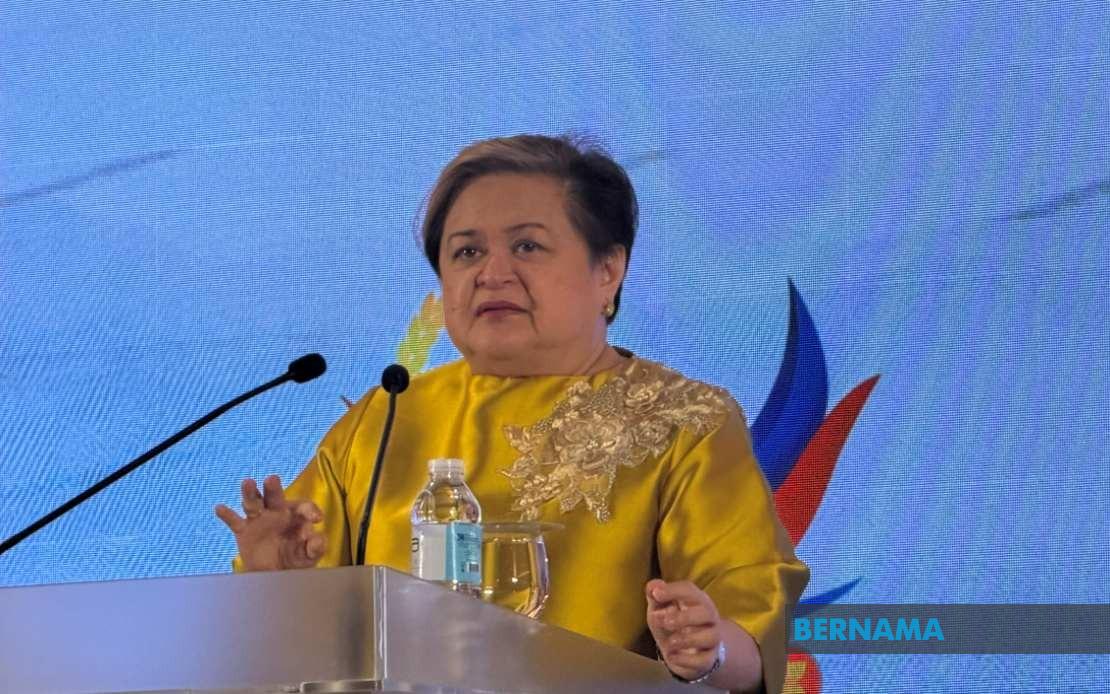
The Philippines has mounted a fresh appeal to Southeast Asia's regional bloc to reinforce safeguards around critical maritime corridors, warning that disruptions to major shipping lanes could inflict serious economic damage across ASEAN. Speaking through Foreign Affairs Secretary Ma. Theresa P. Lazaro, Manila has identified the Strait of Malacca and the South China Sea as particularly vulnerable chokepoints whose security is essential to protecting regional commerce, energy stability and the integrity of supply networks that underpin Southeast Asian prosperity.
The timing of this intervention reflects growing alarm in Manila over how fragile international shipping infrastructure has become. The Strait of Hormuz, which lies thousands of kilometres away in the Middle East, has recently experienced significant disruptions that immediately reverberated through global markets, driving up energy costs and triggering inflationary pressures that rippled across multiple economies. Lazaro pointed to this incident as a cautionary tale for ASEAN, arguing that similar disruptions to regional waters would prove far more devastating because Southeast Asia depends so heavily on open sea routes for its survival as a trading power.
The strategic vulnerability extends beyond simple economics. ASEAN nations collectively represent one of the world's most integrated regional trading systems, with member states deeply embedded in global supply chains that move raw materials, components and finished goods across their waters on a daily basis. Higher shipping costs, logistics delays or forced rerouting of vessels would directly translate into increased production expenses for manufacturers throughout the region, erode competitive advantage in export markets, and potentially trigger shortages of critical commodities including food and energy resources. For developing economies still working to improve living standards, such disruptions pose an existential threat to economic growth trajectories.
Lazaro outlined that ASEAN's strategic response must move beyond rhetorical commitments toward concrete operational measures designed to reduce vulnerability. Maintaining unobstructed passage through sea lanes remains fundamental, but the Philippines argues this must be complemented by deliberate investments in supply chain diversification, redundancy and flexibility. Energy security cooperation takes on heightened importance given Southeast Asia's reliance on imported fuels and the region's exposure to price volatility in global energy markets. Similarly, food security frameworks need strengthening to ensure that disruptions to agricultural imports and trade do not precipitate nutrition crises in vulnerable populations.
Trade facilitation and enhanced connectivity infrastructure also feature prominently in Manila's prescription. By reducing bureaucratic friction at ports, harmonizing customs procedures across ASEAN borders and investing in transportation networks that can bypass threatened routes, member states can build resilience into their economic structures. These investments require coordination but offer permanent benefits that extend far beyond the immediate crisis response.
A particularly significant element of the Philippine proposal centres on institutional capacity for crisis management. Lazaro has advocated for developing sophisticated communication and coordination protocols that would activate at the foreign ministers' level when maritime emergencies emerge. Currently, ASEAN's response mechanisms remain relatively decentralized, with individual nations making independent decisions that may not align or compound regional vulnerability. A unified crisis communication framework would enable rapid information sharing, coordinated diplomatic responses and collective decision-making that reflects regional interests rather than narrow national perspectives.
Building these institutional capabilities requires investment in technical cooperation mechanisms, standardized information-sharing systems, and early warning networks capable of detecting emerging threats before they metastasize into full crises. Lazaro emphasized that transparency and predictability in regional maritime governance directly strengthen confidence in the international trading system, as merchants and logistics providers gain assurance that their cargoes will reach destinations safely and on schedule. This confidence translates into competitive pricing and optimal allocation of shipping capacity, benefiting consumers throughout Southeast Asia.
Within this broader framework, Manila is positioning the establishment of an ASEAN Maritime Centre as a flagship initiative for its 2026 ASEAN Chairship. This institution would serve as a specialized hub for regional cooperation on maritime security, environmental protection, disaster response and technical capacity-building across member states. Importantly, the centre is being conceived as a cross-sectoral body that bridges traditional maritime domains—navy coordination, port security, fisheries management—with economic, energy and supply chain considerations. This holistic approach recognizes that maritime security cannot be siloed into military or environmental categories but must encompass the full spectrum of national interests that depend on safe sea lanes.
The centre would coordinate technical assistance, facilitate knowledge exchange, and provide analytical capability that serves the collective interests of ASEAN as a whole rather than any individual member. By pooling resources and expertise, member states gain access to intelligence and capabilities that individual nations could not afford to develop independently. For smaller Southeast Asian economies with limited naval and coast guard capacity, this regional infrastructure represents a crucial force multiplier.
The Philippines' intervention reflects a strategic calculation that ASEAN must move from reactive crisis management toward proactive resilience-building. The geopolitical environment confronting Southeast Asia has grown more unstable, with major power competition intersecting with traditional maritime disputes and new threats from non-state actors and environmental degradation. Rather than waiting for crises to impose themselves, ASEAN member states must invest now in the institutional frameworks, technical capabilities and diplomatic protocols that will enable rapid collective action when instability threatens regional prosperity.

