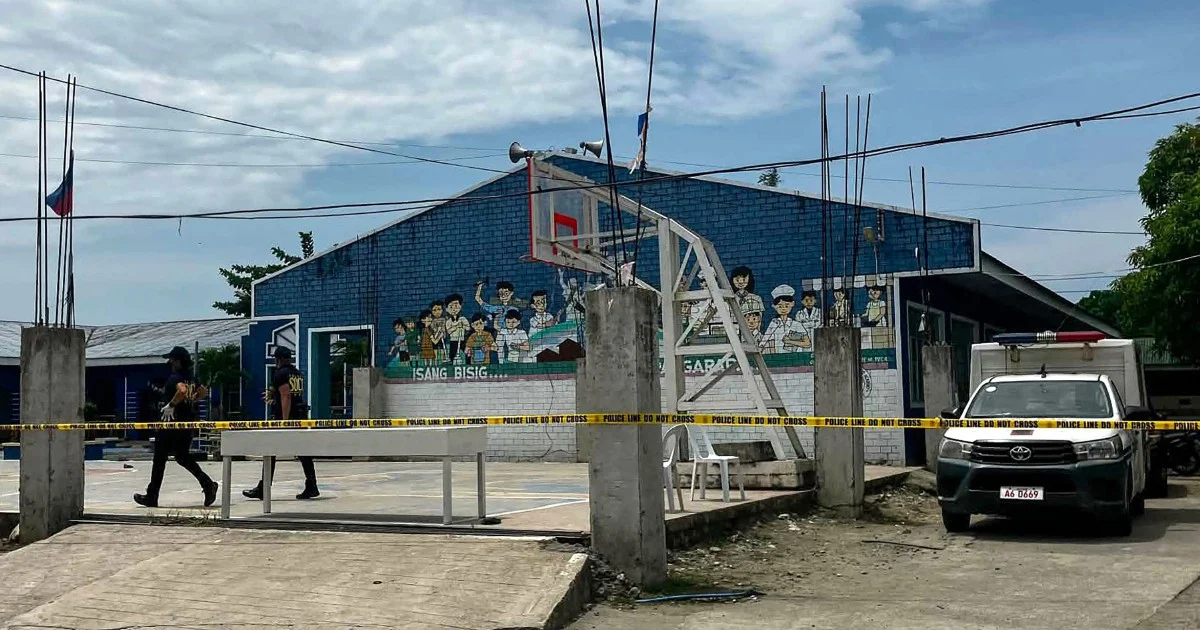
Philippine President Ferdinand Marcos Jr has directed authorities to launch a comprehensive investigation into a shooting incident at a school in Tacloban that resulted in three deaths and five injuries. The directive came on Monday as the nation grapples with another incident of gun violence in an educational setting, prompting questions about campus security protocols and weapon accessibility across the country's school system.
The Tacloban school shooting represents a concerning development in the Philippines, where educational institutions are meant to serve as safe havens for students and staff. While mass shootings remain relatively less frequent than in some other nations, incidents involving firearms in public spaces and educational facilities have periodically troubled the country. The fact that President Marcos felt compelled to order a presidential-level investigation underscores the severity of this particular incident and the government's determination to understand the circumstances that allowed the shooting to occur.
Tacloban, the capital of Leyte province in the Eastern Visayas region, has faced various security challenges in recent years. The city's experience with this incident adds to a broader pattern of violence that affects communities across the Philippines. Understanding the specific context of Tacloban and its security environment becomes essential for assessing how such an incident could transpire and what preventative measures might prove effective in the future.
The presence of five injured individuals alongside the three fatalities indicates that the situation could have been even more catastrophic. The survivors' conditions and their experiences during the incident will likely form a crucial part of the investigation, potentially revealing details about the shooter's actions, motives, and the sequence of events that unfolded. Gathering comprehensive testimony from witnesses, injured survivors, and first responders will be vital to reconstructing what happened.
For Malaysia and other Southeast Asian nations with similar educational systems, this incident serves as a reminder of the importance of robust school security measures and mental health support frameworks. Educational institutions across the region have increasingly invested in safety protocols, CCTV monitoring, and trained security personnel. The Tacloban shooting may prompt Malaysian schools and authorities to reassess their own security arrangements and ensure that prevention measures remain adequate and current.
The investigation ordered by President Marcos will likely examine multiple facets of the incident, including the identity and background of the shooter, access to firearms, warning signs that may have been missed, and school security measures in place at the time. Philippine law enforcement agencies will need to determine whether the shooting was isolated or part of a larger pattern, whether grievances or mental health issues motivated the perpetrator, and whether any systemic failures contributed to the tragedy.
Gun ownership and regulation in the Philippines has been a subject of ongoing policy debate. The country maintains relatively strict firearms laws compared to some nations, yet incidents still occur. The investigation will inevitably raise questions about enforcement of existing regulations, proper storage of weapons, and whether loopholes exist that allowed the shooter to obtain and bring a firearm to school. These findings could potentially influence future legislative discussions about firearms control in the Philippines.
The psychological impact on the school community cannot be understated. Students, teachers, and staff who witnessed or experienced the shooting will require comprehensive support services. Schools in Tacloban and across the region may face challenges in restoring normalcy and ensuring that trauma-affected individuals receive adequate counseling. The investigation must also consider how the institution can rebuild trust and confidence among parents and students moving forward.
From a regional security perspective, incidents of this nature prompt governments across Southeast Asia to evaluate their emergency response capabilities. The Philippines' response to this crisis, including how quickly authorities contained the situation, whether evacuation procedures functioned effectively, and how medical services responded, will offer lessons for neighbouring countries. Information sharing between regional law enforcement agencies can help identify patterns and coordinate preventative strategies.
The national government's swift response through a presidential investigation demonstrates commitment to accountability and understanding. However, the real measure of effectiveness will lie in whether findings lead to concrete changes in school safety protocols, firearms regulation, mental health services, or other areas identified as problematic. President Marcos will face pressure from the public, opposition figures, and international observers to ensure that the investigation remains thorough and that recommended actions are subsequently implemented.
Moving forward, this incident may catalyse broader discussions in Philippine society about the balance between security and freedom, the role of mental health services in violence prevention, and community responsibility in identifying concerning behaviour before it escalates. Regional observers and neighbouring governments will monitor both the investigation's progress and the government's response, as these factors influence the broader security environment across Southeast Asia and inform best practices for protecting educational institutions.