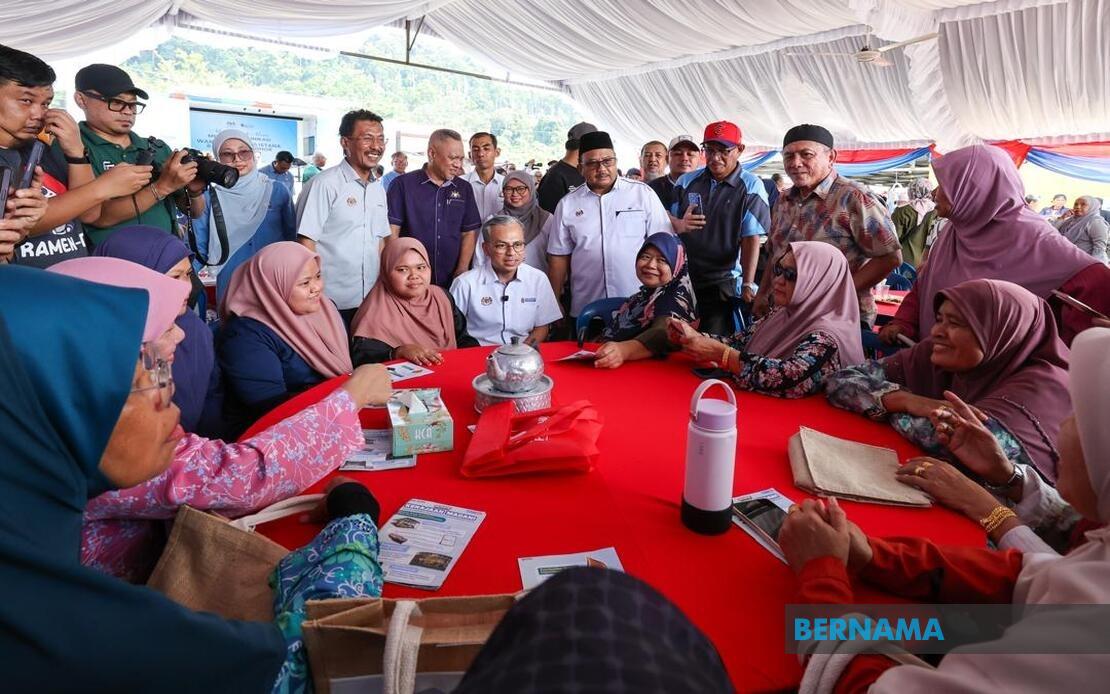
Pakatan Harapan's communications machinery moved to counter mounting criticism over its manifesto rollout strategy in the Johor state election campaign, with the coalition's top spokesperson insisting that Friday's launch of the 'Johor for All' manifesto came precisely when planned. Datuk Fahmi Fadzil, who doubles as Communications Minister, addressed sceptics during a grassroots engagement in Batu Pahat on July 4, reframing what opponents have characterised as a strategic weakness into an assertion of disciplined coalition management.
The debate over timing reveals deeper anxieties within PH's campaign apparatus as polling day approaches on July 11. Former Bangi MP Ong Kian Ming had predicted a Barisan Nasional landslide victory, citing PH's failure to name a menteri besar candidate, the absence of prominent senior leaders in the contest, and what he saw as an inadequately late manifesto presentation as indicators of a campaign struggling to gain narrative traction. Such observations struck at the heart of campaign momentum questions that persistently dog the coalition throughout the six-week election cycle.
Fahmi's response reframed the delay as a virtue rather than a liability, emphasising that comprehensive vetting and leadership endorsement took precedence over speed. The manifesto's contents underwent scrutiny before Prime Minister approval, he explained, positioning the launch during the campaign's second week as strategically sound timing that followed the natural campaign rhythm of candidate introduction before policy presentation. This sequencing, he argued, aligned with how both major coalitions typically structured their electoral messaging during state-level contests.
The Communications Minister's counter-offensive extended to attacks on the substance and credibility of government-aligned critics. When former UMNO Youth chief Khairy Jamaluddin dismissed the PH manifesto as derivative copying from BN's policy framework, Fahmi pivoted to underscore what he presented as Khairy's more vigorous campaign activity compared to incumbent Johor Menteri Besar Datuk Onn Hafiz Ghazi. The implicit critique—that Khairy appeared more invested in the campaign than Onn Hafiz himself—suggested fractures within the ruling coalition's internal cohesion and commitment.
This dynamic holds particular significance for Malaysian electoral observers tracking whether Onn Hafiz can consolidate the state leadership that BN has traditionally dominated. Johor's status as a BN stronghold makes any perception of leadership complacency or divided focus a potential vulnerability that PH will seek to exploit through the final campaign week. The fact that a senior UMNO figure was outworking the menteri besar candidate raised uncomfortable questions about where true campaign authority and momentum resided on the government side.
Fahmi's reference to his colleague Maszlee Malik, the PH candidate for Puteri Wangsa, hinted at an underlying confidence in PH's candidate quality and debate-readiness. By suggesting that Khairy possessed the campaign dynamism that should ideally be channelled toward Onn Hafiz, Fahmi subtly underscored a contrast in perceived energy and leadership capability between the two coalitions at the state level. This messaging strategy seeks to erode narrative space that might otherwise favour the incumbent government's experience and administrative record.
The coalition also moved to contain potential damage from internal DAP controversies that have circulated on social media. Marina Ibrahim, a former Skudai assemblyman, publicly announced her retirement from politics after voicing disillusionment with what she characterised as orchestrated positioning by DAP leadership regarding a possible pardon for former Prime Minister Datuk Seri Najib Tun Razak. Such internal party grievances, if they gain wider traction among voters, could undermine PH's broader unity messaging and threaten marginal seat contests where coalition cohesion proves decisive.
Fahmi dismissed concerns that the DAP controversy would dent campaign momentum, anchoring his confidence in observable grassroots turnout and engagement metrics across multiple PH events during the campaign period. The attendance figures and voter responsiveness he cited provided empirical ground for rejecting the narrative that social media allegations against DAP leadership were translating into voter disaffection or diminished campaign enthusiasm. This appeal to lived campaign experience—what he had personally witnessed in community engagement—served as a counterweight to online narratives potentially unrepresentative of broader voter sentiment.
The inclusion of DAP's Ng Yak Howe as PH's candidate for Bentayan state seat further illustrates the coalition's reliance on DAP representation across multiple constituencies in this state election. Any erosion of DAP electoral performance due to internal grievances could therefore cascade across the 56 contested seats, making the Marina Ibrahim defection and similar criticisms strategically consequential. Fahmi's assertion that such statements had produced negligible electoral impact required substantiation through actual voting outcomes.
With 172 candidates across 56 state seats in the 16th Johor State Election, and early voting scheduled for July 7 before polling day on July 11, the campaign enters its final intensive phase. The manifesto launch timing debate, while appearing somewhat procedural on the surface, encapsulates broader questions about PH's campaign execution, coalition discipline, and ability to mount an effective challenge in a state where BN has held comfortable electoral advantage for decades. Fahmi's defensive messaging suggests internal campaign assessments indicating tighter competition than the Ong Kian Ming narrative of inevitable BN dominance would suggest.
For Malaysian voters and observers tracking coalition dynamics, this state election serves as a significant barometer of post-2022 political realignment. The strength of PH's grassroots organisation, the cohesion of its multi-ethnic coalition architecture, and Johor's receptivity to opposition messaging will offer instructive lessons about the trajectory of Malaysian electoral competition heading toward the next general election cycle. The manifesto timing controversy, ultimately, reflects anxieties about campaign effectiveness that extend well beyond questions of presentational schedule into fundamental issues of coalition viability and competitive positioning.

