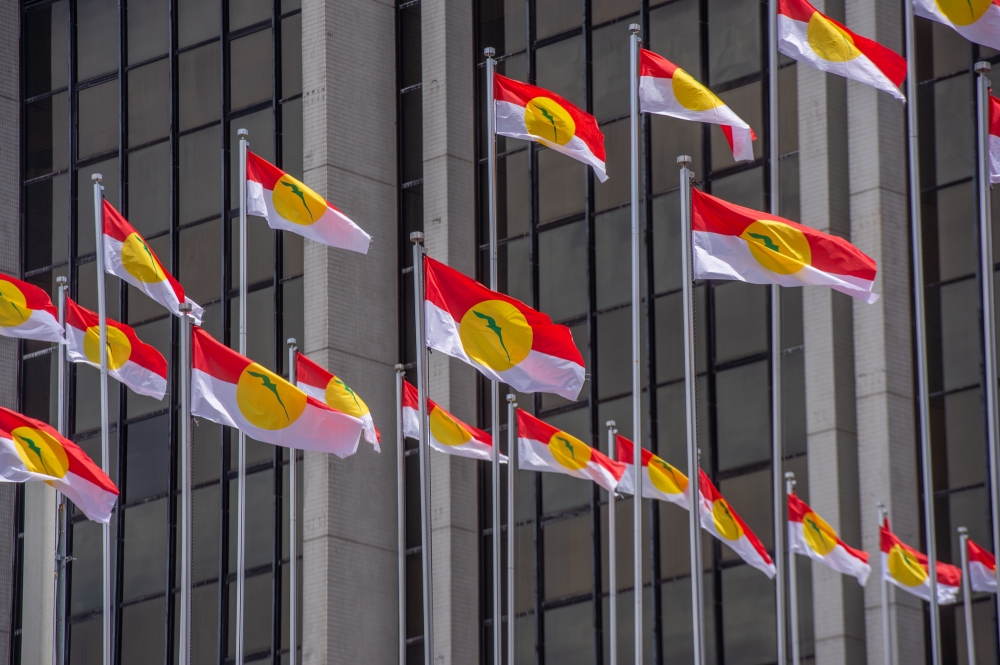
Perlis Umno has begun activating its grassroots apparatus to mount an independent electoral challenge across all available seats in the state, encompassing the full complement of 15 state assembly constituencies and three federal parliamentary divisions. This move, announced in Arau, represents a significant departure from the collaborative framework that has traditionally defined Barisan Nasional operations at the state level, where component parties typically divide electoral contests according to pre-arranged allocations.
The decision to pursue a solo strategy carries substantial implications for how Malaysia's largest Malay-Muslim political party intends to position itself within Perlis politics ahead of the next general election cycle. Rather than negotiating seat distributions with traditional coalition partners, Umno appears intent on maximising its own footprint by fielding candidates across the entire electoral map. This approach suggests confidence in the party's organisational capacity and electoral appeal within the state, whilst simultaneously raising questions about the future architecture of Barisan Nasional cooperation arrangements at the state level.
Perlis represents one of Malaysia's smallest states by population and economic output, yet it occupies considerable symbolic importance as a Umno stronghold and a consistent contributor to the party's parliamentary numbers at the national level. The state has historically been a relatively safe territory for Umno, with the party maintaining strong penetration into both urban and rural constituencies. However, the competitive dynamics in Malaysian politics have shifted considerably since the major political realignments that followed the 2018 general election, creating both pressures and opportunities for established parties seeking to consolidate or expand their positions.
The machinery-building process Perlis Umno is undertaking involves more than simply nominating candidates. It encompasses the activation of party structures at divisional and branch levels, the cultivation of grassroots support networks, and the coordination of campaign resources across the state's geographical divisions. This kind of comprehensive organisational effort requires sustained investment of time, financial resources, and political capital. The fact that Umno is committing to such a strategy in Perlis underscores the party's determination to retain firm control over the state government and its federal representation.
From a regional perspective, Perlis's electoral trajectory carries significance for understanding broader patterns in Malaysian politics. As one of the country's most homogeneous states in ethnic and religious terms, it often serves as a bellwether for Umno's performance among core constituencies. How successfully the party executes a solo campaign strategy in Perlis may influence thinking within other state divisions about whether to adopt similar approaches, or conversely, may demonstrate the continued value of coalition arrangements in maximising electoral efficiency.
The political environment facing all parties in Malaysia has become markedly more competitive than in preceding decades. Umno, despite its historical dominance, faces competition not only from the opposition coalition but also from religious and ethno-nationalist parties that appeal to similar voter demographics. In this context, a solo campaign strategy allows Umno to present itself as a strong, unified force without the complications that sometimes arise from negotiating coalition partnerships. It also permits the party to claim credit for any electoral victories without sharing the narrative with coalition partners.
However, this approach does potentially fragment the broader Barisan Nasional structure if replicated across multiple states. Coalition politics traditionally function through negotiation, compromise, and mutual benefit among component parties. When individual parties begin pursuing solo strategies, the coherence and effectiveness of the coalition framework can be compromised. This dynamic suggests that senior Umno leadership has calculated that state-level independence in Perlis serves the party's interests more effectively than continuing traditional coalition arrangements, at least in this particular electoral cycle.
The preparation phase is crucial for determining campaign effectiveness. Umno's divisional leadership in Perlis will be tasked with identifying and vetting potential candidates, ensuring that nominees possess sufficient local credibility and organisational links to win their respective seats. This process must balance factional interests within the party with the imperative to field competitive candidates capable of prevailing against any opposition challengers. In a small state like Perlis, where factional tensions can quickly become public knowledge, managing this selection process sensitively will be essential to maintaining party unity throughout the campaign period.
Resource allocation presents another significant consideration. Contesting all available seats simultaneously demands comprehensive funding, communications infrastructure, and volunteer mobilisation across multiple constituencies. Unlike coalition campaigns where resources can be concentrated on marginal seats, a solo strategy requires more dispersed deployment of campaign assets. Umno's central party apparatus will need to support these efforts substantially, demonstrating institutional commitment to the Perlis campaign strategy at the highest levels of party leadership.
The timing of this announcement also warrants attention. By signalling its intentions well in advance of the next election, Perlis Umno provides itself with an extended runway to build campaign momentum, conduct voter outreach, and position key messages. This early declaration also sends a signal to potential candidates and supporters that the party is serious about mounting a comprehensive challenge, thereby potentially attracting talent and voluntary support from within the broader Umno ecosystem.
For Malaysian voters and political observers monitoring these developments, the Perlis situation offers insights into how established parties are adapting to a more volatile and competitive political environment. Whether Umno's solo strategy in this state ultimately succeeds or encounters difficulties may have broader implications for how coalition politics and party strategy develop across other Malaysian states in coming electoral cycles.

