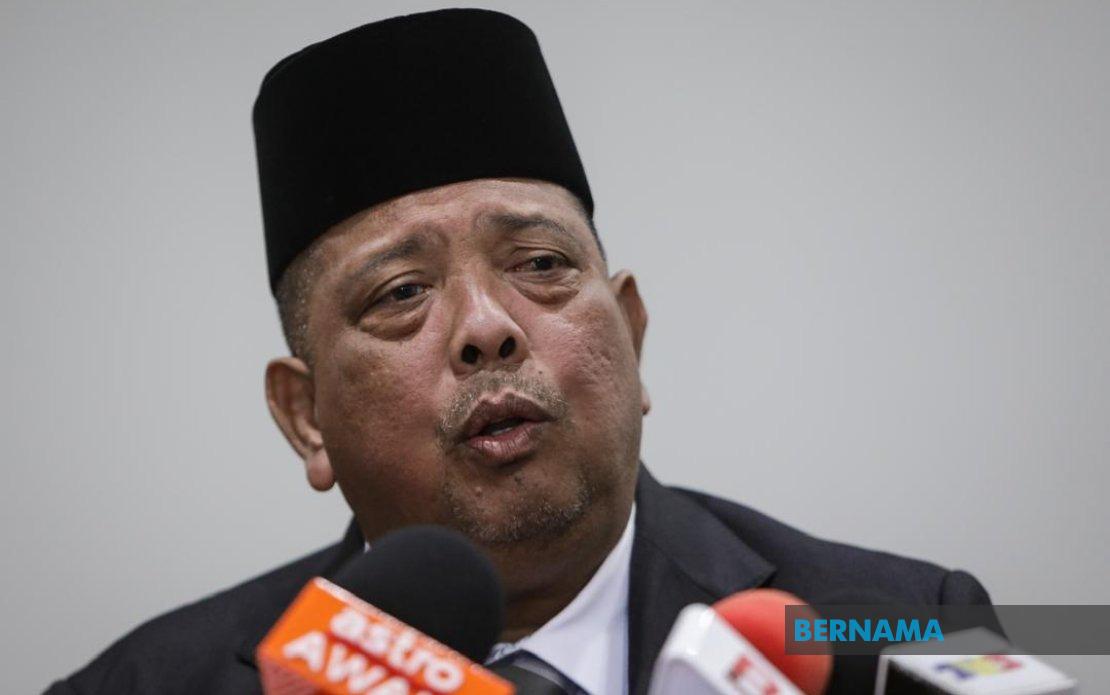
Perlis Menteri Besar Abu Bakar Hamzah has stepped back from his position within Parti Pribumi Bersatu Malaysia's top echelon, having formally notified the party's central leadership of his departure from the Supreme Leadership Council in recent days. The decision, announced during a programme welcoming Thai delegates in Kangar, marks a deliberate repositioning of his priorities as he navigates the final stretch of his tenure steering the northern state.
The resignation takes effect immediately, though Abu Bakar will retain his standing as Perlis Bersatu state chief and head of the Kangar Bersatu division. This distinction underscores a calculated shift rather than a complete severance from the party apparatus. By relinquishing his council duties, the Menteri Besar seeks to eliminate competing demands on his attention during what he characterises as a critical window for advancing state interests.
Time constraints form the crux of Abu Bakar's reasoning. With approximately one year remaining before the 15th state legislative assembly term concludes, he contends that the workload of coordinating with Bersatu's national leadership diverts energy from pressing provincial responsibilities. The economic and administrative agenda confronting Perlis—particularly investor acquisition and the achievement of departmental performance targets—demands undivided focus during this compressed timeline.
The announcement gains additional significance given recent formal recognition of his position. At the opening of the state legislature on June 3, the Raja of Perlis, Tuanku Syed Sirajuddin Jamalullail, issued a decree granting Abu Bakar operational autonomy and insulating him from interference as he guides the state through its remaining administrative cycle. This royal endorsement arguably strengthens his hand in redirecting his energy toward provincial governance.
The ferry service resumption provides symbolic backdrop to the declaration. Kuala Perlis and Satun have restored the cross-border ferry connection that lay dormant throughout the COVID-19 pandemic, representing both economic reopening and transnational cooperation. Abu Bakar's emphasis on attracting investment and achieving key performance indicators suggests such infrastructure recovery exemplifies the developmental agenda he prioritises during his final year in office.
Concurrently, fellow Bersatu figure Datin Marzita Mansor, who represents Sena in the state legislature and serves as executive councillor, has similarly withdrawn from the Supreme Leadership Council. This parallel departure hints at broader recalibration within Perlis's Bersatu hierarchy, though confirmation remains pending. The dual resignations warrant monitoring for deeper factional considerations within the party at state and national levels.
The move reflects pragmatic political calculation rather than rupture with Bersatu itself. Abu Bakar's retention of state and divisional party roles preserves his standing within the organisation and avoids the appearance of defection or protest. Instead, the step represents delegation—a conscious narrowing of institutional commitments to maximise efficacy in his primary position. This approach resonates with the Raja's directive that he be afforded unobstructed leadership during his remaining tenure.
For Malaysian federal politics, the resignation carries oblique significance. Bersatu has faced recurring internal turbulence and questions about cohesion, particularly at state levels where component parties navigate dual allegiances to national coalitions and provincial stakeholders. Abu Bakar's decision subtly privileges state administration over national party machinery participation, a choice that may reverberate among other state leaders contemplating similar recalibrations of their commitments.
The timing—with the state legislative term expiring within roughly twelve months—contextualises the urgency Abu Bakar assigns to provincial priorities. Elections remain a distant prospect, yet the consolidation of achievement before voters render judgment likely motivates his determination to clear the calendar of ancillary obligations. Investor relations, regulatory efficiency, and visible progress on state infrastructure represent tangible legacies upon which electoral performance depends.
Perlis occupies a distinctive position within Malaysia's political geography. As a smaller state with particular economic vulnerabilities and opportunities, particularly regarding cross-border commerce and agricultural development, the Menteri Besar's undivided attention to investor courtship and performance benchmarks carries practical weight. The restoration of the Kuala Perlis-Satun ferry exemplifies projects requiring sustained administrative push.
The resignation also subtly acknowledges the finite resources of high office. Balancing national party obligations with provincial administrative demand presents genuine challenge, particularly for states where economic development trajectories remain contested and require intensive engagement. Abu Bakar's recognition of this tension suggests realistic assessment of what divided attention permits him to accomplish.
Moving forward, observers should track whether additional state-level Bersatu figures emulate this approach, whether the party's national leadership responds formally to the departures, and how Abu Bakar's undivided focus translates into measurable advancement on his stated development priorities. The coming year will effectively constitute his final administrative window, making the concentration of effort he pursues potentially consequential for Perlis's trajectory.

