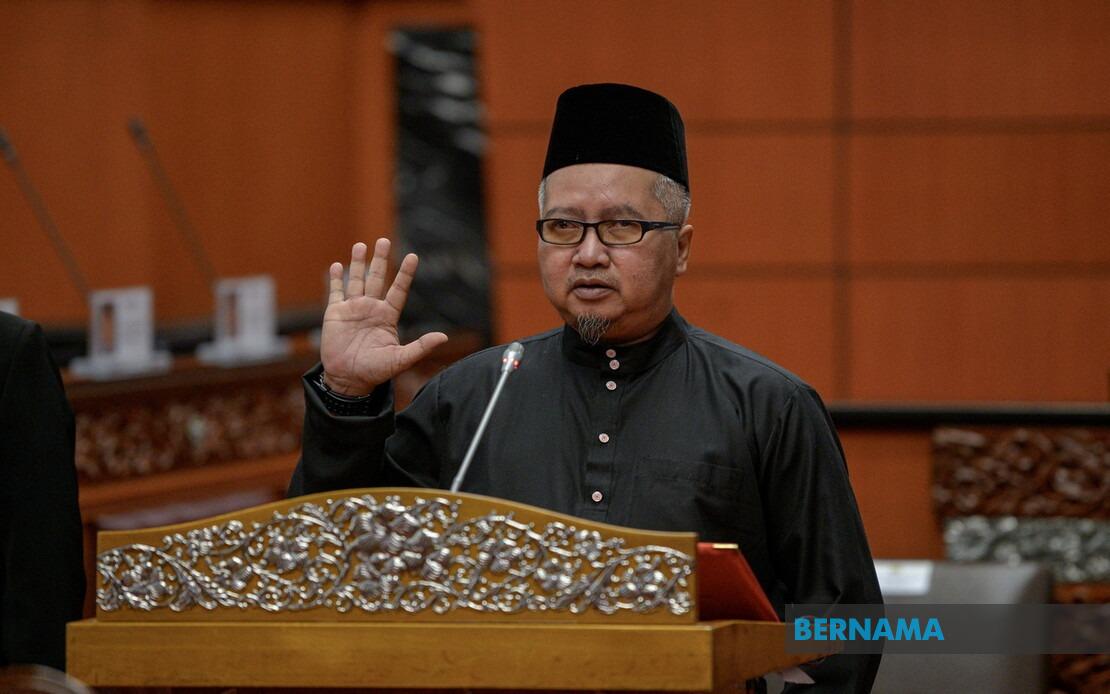
Senator Azahar Hassan, the secretary of Perlis Parti Pribumi Bersatu Malaysia, has stepped down from his party roles, marking another departure from the coalition that has faced mounting internal turbulence in recent months. The Kangar-based politician announced the decision on July 9, signalling the end of his formal association with Bersatu while maintaining his tenure in Malaysia's upper house of Parliament.
Azahar's departure follows what he characterised as a period of contemplation regarding his political future and the trajectory of Bersatu's agenda. In his resignation statement, the Senator articulated that his choice reflected deeper philosophical misalignments with the party's current direction, suggesting that his continued membership had become incompatible with his personal convictions. His language indicated not a spontaneous decision but rather one arrived at through deliberation on broader ideological and strategic matters affecting his position within the organisation.
The timing of Azahar's exit adds another chapter to Bersatu's recent difficulties consolidating its membership base. The party, led by Tan Sri Muhyiddin Yassin, has experienced recurring personnel changes since its integration into the Pakatan Harapan coalition at the federal level. These shifts reflect ongoing disagreements about party direction, coalition politics, and the balance between maintaining grassroots support and navigating complex parliamentary dynamics. For Perlis, a state where Bersatu holds influence but faces competition from other Malay-based and religious parties, such departures underscore factional strains at the state level.
Azahar's resignation as party secretary removes a senior organisational figure from Bersatu's Perlis machinery during a period when the party is consolidating its position ahead of potential state elections. The secretary's role typically involves coordinating party activities, mediating internal disputes, and ensuring party discipline. His departure necessitates a reorganisation of Bersatu's state leadership structure, potentially disrupting continuity in party operations and campaign preparation.
Critically, Azahar has committed to fulfilling his obligations as a Dewan Negara member, ensuring that his parliamentary duties remain unaffected by his party withdrawal. This stance demonstrates a distinction between party affiliation and constitutional responsibility, allowing him to represent Perlis interests in the Senate while operating outside Bersatu's organisational framework. His appointment to the upper house in October 2024 by the Perlis State Legislative Assembly provided him with a platform independent of electoral politics, lending him latitude to reassess his party commitments.
The senator's emphasis on pursuing a political direction he believes in suggests deeper disagreements than mere administrative friction. Such language often signals discord over party strategy, coalition dynamics, or leadership decisions at state or national levels. In Perlis, where Bersatu competes alongside Umno, PAS, and other political forces, questions about the party's authentic role and electoral viability may have contributed to Azahar's reconsideration of his continued membership.
For Malaysian political observers, Azahar's departure exemplifies the volatility affecting parties within ruling coalitions, particularly those attempting to carve distinct identities while managing complex federal-state power arrangements. Bersatu's struggle to retain senior members suggests that the party's appeal and internal cohesion remain contested even among its leadership ranks. Regional factors specific to Perlis, including state-level dynamics and competition for influence among Malay-Muslim constituencies, likely intensified these tensions.
The broader implications extend to coalition stability at federal and state levels. When individual party members resign citing philosophical differences, it signals potential weaknesses in consensus-building and strategic alignment within multiparty governments. For Perlis specifically, the loss of a party secretary raises questions about Bersatu's administrative capacity and member retention in a state where it must compete vigorously against established rivals.
Azahar's decision also underscores the distinction between party membership and parliamentary representation in Malaysia's system. By resigning from Bersatu while retaining his Senate seat, he preserves his voice in national policymaking while freeing himself from party discipline and obligations. This arrangement, while permissible, may influence his future political options and relationships with other parliamentary forces, potentially opening pathways toward alternative political affiliations or independent operation.
Moving forward, Bersatu's state leadership in Perlis will need to address the organisational vacuum created by Azahar's departure and manage perceptions of internal discord. The party's ability to retain other members and project unity will be tested as it navigates both intra-coalition discussions at the national level and competitive pressures within the state. For Malaysian politics more broadly, such exits remind stakeholders that coalition stability requires constant attention to member satisfaction and alignment on strategic direction.

