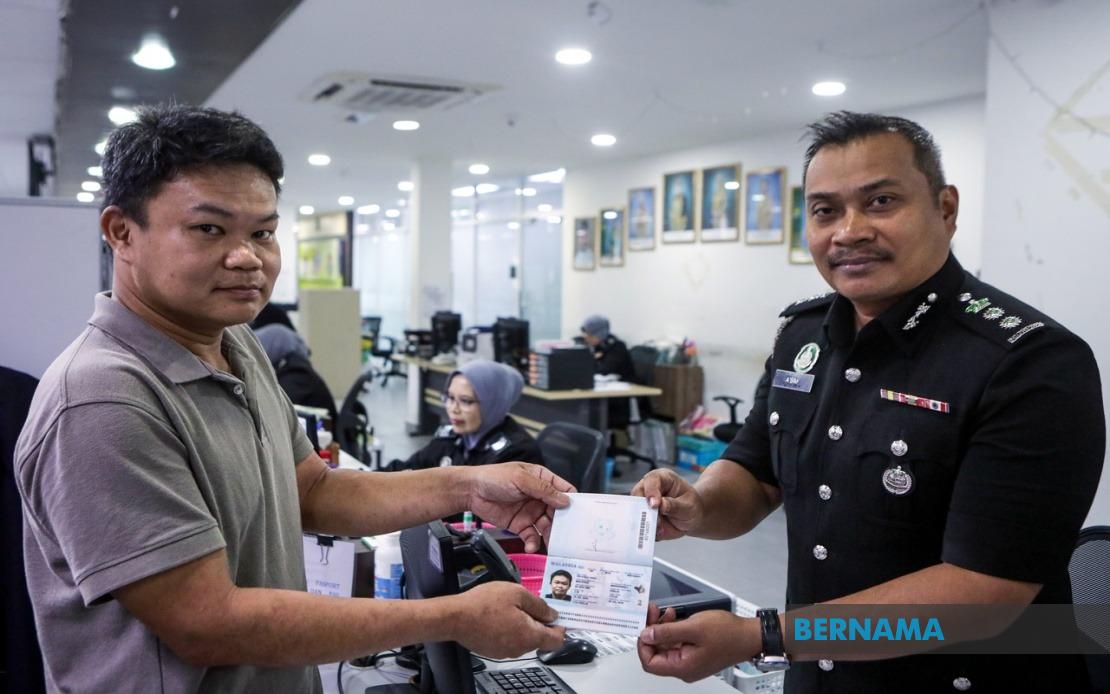
The Perlis Immigration Department has commenced issuing the newly redesigned Malaysian International Passport at its office in the Kangar Urban Transformation Centre, marking the northern state as the initial distribution point for the government's upgraded travel document. The rollout follows the installation of specialised passport printing equipment earlier this month and represents a significant step in Malaysia's modernisation of border security infrastructure.
The new passport incorporates 94 distinct security features designed to combat forgery and enhance the integrity of Malaysia's travel credentials on the global stage. These technological enhancements position the document among the more secure travel documents in the Asia-Pacific region, reflecting Malaysia's commitment to meeting international standards for document authentication and biometric integration. Perlis Immigration director Mohammad A'sim Md Ali confirmed during a press briefing that the initial implementation has generated positive public reception, with citizens embracing the transition to the improved travel document during its first operational day in the state.
Currently, the printing facility operates exclusively from the Kangar UTC Immigration Office, creating a temporary centralisation of issuance services for Perlis residents. However, authorities have outlined an expansion strategy that will decentralise passport production across the state. The planned installation of an additional printing machine at the Perlis Ministry of Home Affairs Complex is scheduled to proceed once building upgrade and counter refurbishment work concludes, a timeline tentatively set for October of this year. This phased deployment approach balances immediate service delivery with infrastructure development requirements.
Prime Minister Datuk Seri Anwar Ibrahim formally unveiled the new Malaysian International Passport on June 30, with public applications commencing on July 1. The staggered launch across immigration offices nationwide allows authorities to manage demand systematically while quality-assuring the production process. Eligible applicants comprise Malaysian citizens aged eighteen and older, who now benefit from enhanced flexibility in selecting their document's validity period. Citizens may choose between a five-year passport suitable for frequent international travel and professional requirements, or a ten-year option providing extended validity and reduced renewal frequency, accommodating diverse travel patterns and lifecycle needs.
Statistical data from Perlis Immigration operations demonstrates the significant volume of travel documentation processed through the state's immigration infrastructure. Between January 1 and July 17, the department issued 31,722 travel documents across multiple categories: 6,918 passports, 72 Restricted Travel Documents facilitating travel under specific conditions, and 24,732 Border Passes enabling cross-border movement for residents of jurisdictions with special access arrangements. These figures illustrate the substantial demand for travel credentials among Perlis residents and underscore the operational capacity required to serve border communities effectively.
The introduction of the redesigned passport represents a transformational initiative within Malaysia's immigration administration framework, addressing both security vulnerabilities and citizen convenience. Enhanced security provisions protect Malaysian travel documents from increasingly sophisticated counterfeiting techniques employed by criminal networks, while simultaneous innovations in application processing and document delivery reduce administrative burden on applicants. The dual validity option reflects government recognition that one-size-fits-all passport policies inadequately serve Malaysia's demographically and professionally diverse population, from transient workers to international business professionals.
For Southeast Asian regional context, Malaysia's passport modernisation aligns with broader trends among ASEAN nations to upgrade travel document security and interoperability. Countries throughout the region have progressively implemented biometric and enhanced security features in response to transnational security concerns and international pressure for document standardisation. Malaysia's advancement maintains its competitive positioning within the regional travel security framework and facilitates smoother intra-ASEAN mobility, particularly relevant given the implementation of frameworks like the ASEAN Comprehensive Investment Agreement and increased regional labour mobility.
The staggered nationwide rollout strategy, with Perlis serving as the pioneering jurisdiction, provides valuable operational insights for subsequent implementation stages. Immigration authorities can monitor production efficiency, assess public satisfaction, address technical complications, and refine administrative procedures before expanding to higher-traffic processing centres in urban conurbations. This methodical deployment approach, though potentially creating temporary service disparities across states, prioritises system stability and quality assurance over rapid nationwide implementation that might strain resources or compromise document production standards.
Citizens seeking the new Malaysian International Passport should prepare for the potential requirement to visit designated immigration offices, as the current limited distribution network means Perlis residents outside Kangar may experience temporary inconvenience before the secondary printing facility becomes operational. Applicants are advised to monitor official immigration department announcements regarding expanded service locations and processing timelines. The transition from legacy passport formats will occur progressively as existing documents reach expiration, ensuring a managed shift rather than disruptive mass replacement demand on government resources.

