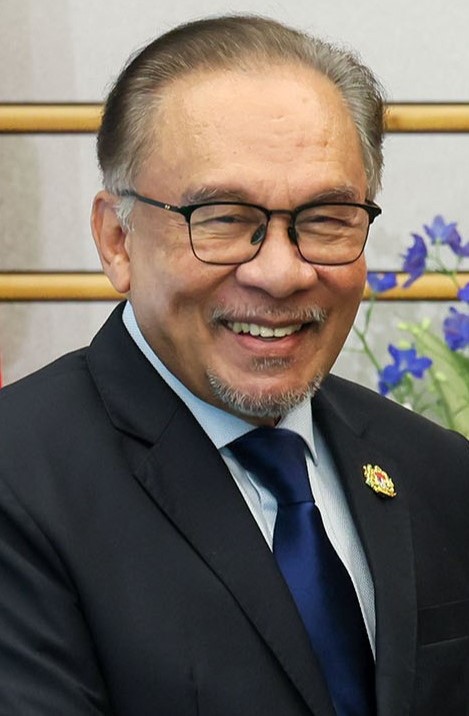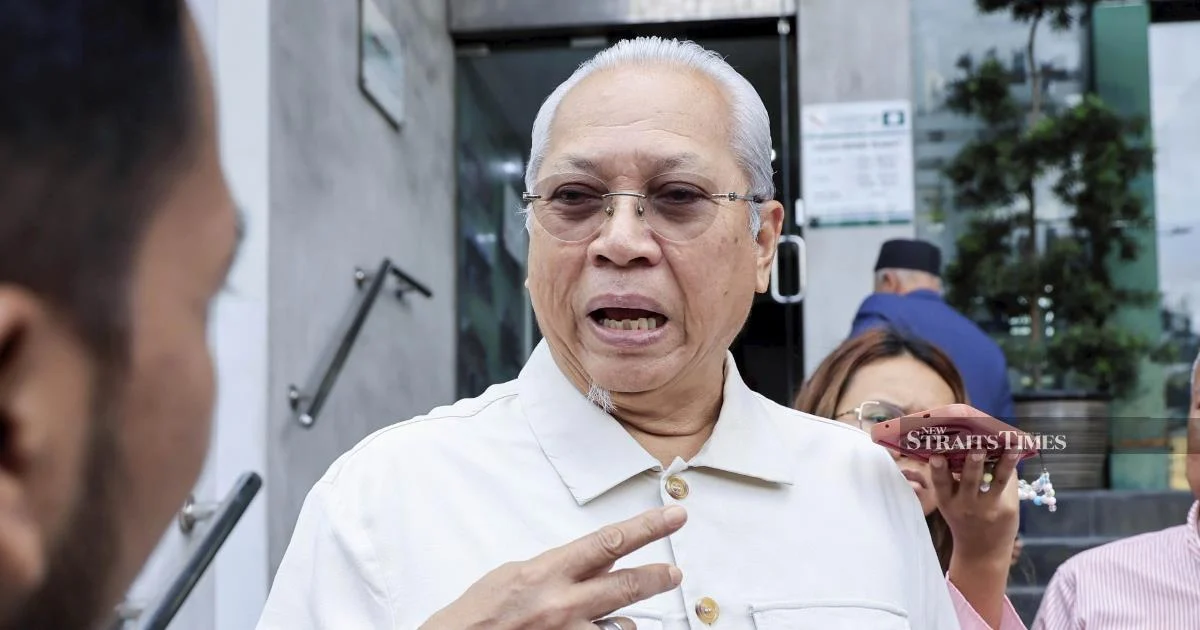
Senior figures within the Perikatan Nasional political coalition have signalled their contentment following the completion of seat-sharing negotiations for the Johor state elections, with multiple leaders displaying visible goodwill as they departed from the PAS party headquarters in Kuala Lumpur. The successful conclusion of these discussions marks a significant milestone in the coalition's preparations for the upcoming electoral contest, suggesting that the alliance has managed to navigate the traditionally contentious process of seat allocation without the acrimony that has historically characterised such negotiations within Malaysian political coalitions.
The fact that negotiations proceeded to a satisfactory conclusion carries considerable weight for PN's prospects in Johor, Malaysia's second-most populous state and a crucial battleground in the nation's political landscape. Seat allocation disputes have long been a primary source of tension within multi-party coalitions, capable of fracturing alliances and demoralising grassroots supporters. When PN leaders departed the headquarters with expressions of satisfaction rather than complaints or veiled warnings, it indicated that the constituent parties—principally PAS, Bersatu, and other coalition members—had managed to reach compromises that each camp could present favourably to their respective party members and constituencies.
For Malaysia's political observers, such harmonious conclusions to coalition negotiations are noteworthy precisely because they are uncommon. The 2018 elections witnessed the collapse of the BN alliance partly due to internal tensions over seat distribution, while subsequent coalition formations have frequently been plagued by disagreements over which party receives the most winnable constituencies. PN's apparent ability to manage these discussions without visible rancour suggests either that the coalition has developed more sophisticated dispute-resolution mechanisms, or that the participating parties share sufficient electoral incentives to prioritise unity over individual ambition.
Johor represents battleground territory of exceptional strategic importance to PN's national political ambitions. The state has historically been BN's stronghold, but recent shifts in voter sentiment and generational demographics have made previously secure seats competitive. For PN—a coalition that includes the Islamic-oriented PAS party and the Malay-nationalist Bersatu—Johor offers an opportunity to demonstrate strength and territorial expansion beyond its traditional support zones. A successful showing would strengthen PN's hand in future parliamentary negotiations and provide momentum for the next general election cycle.
The composition of PN itself has bearing on the seat-allocation process. As the dominant party numerically and institutionally, PAS held significant leverage in determining which parties received the most promising constituencies. However, the public expressions of satisfaction from multiple coalition leaders suggest that secondary partners did not perceive themselves as having been marginalised or disadvantaged. This balance is essential for coalition stability, as junior partners who feel exploited tend to drift away, either toward rival coalitions or into independence.
For Malaysian voters in Johor and across the nation, the implications of smooth PN negotiations extend beyond procedural interest. A unified and confident coalition tends to campaign more effectively and present a more compelling narrative to undecided voters. Conversely, coalitions riven by internal disputes over seat allocation often find their campaign messages undermined by coverage of internal tensions and resentment. PN's apparent success in finalising arrangements cleanly therefore potentially enhances its electoral competitiveness in Johor.
The timing of these talks also matters within the broader context of Malaysian politics. Coming at a defined moment when the coalition could present a unified front, successful negotiations provide crucial psychological momentum as parties prepare campaign machinery, identify and train candidates, and mobilise grassroots supporters. The positive messaging from departing leaders would filter through party networks, encouraging party members and allies that leadership has acted decisively and fairly in their interests.
However, the completion of seat talks represents merely one milestone in a longer electoral journey. PN's electoral prospects in Johor will ultimately depend on numerous other factors including the calibre of candidates selected, the effectiveness of campaign messaging, voter registration and turnout patterns, and the actual electoral performance of rival coalitions. Satisfactory seat arrangements do not automatically translate into electoral victory, though they do remove one potential source of internal friction that could damage campaign effectiveness.
The meeting at PAS headquarters also carried symbolic weight, as hosting the negotiations there reinforced PAS's leading role within the coalition. This positioning is important for PAS's internal party dynamics and its credibility with religious conservative voters, who form a significant component of its electoral base. The visible satisfaction of coalition partners departing from PAS premises sent the implicit message that all participants had been treated fairly within the framework of PAS's institutional space.
Looking ahead, PN will need to convert these positive momentum signals into concrete electoral results. The success of these seat negotiations demonstrates coalition discipline and organisational capacity, qualities that Malaysian voters increasingly value as they assess political alternatives. Whether PN can maintain this unity throughout the campaign period and translate it into improved electoral performance in Johor remains to be seen, but the visible contentment of departing coalition leaders certainly suggests the groundwork has been properly laid.