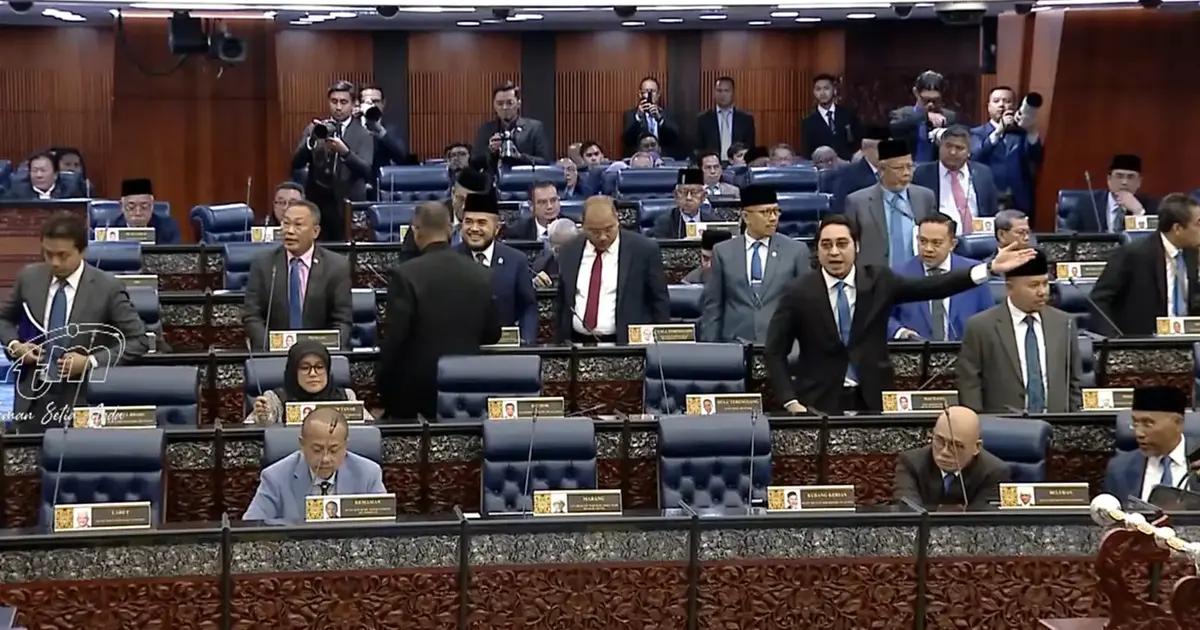
Perikatan Nasional MPs demonstrated their discontent with parliamentary proceedings by walking out of the Dewan Rakyat after the Speaker declined to postpone a special sitting involving the Terengganu House. The walkout underscores growing tensions within Parliament over scheduling and the opposition coalition's ability to influence legislative timetables, raising questions about parliamentary cooperation and the coordination required for major state-related matters.
The core disagreement centres on timing and protocol. Perikatan has argued forcefully that a special session addressing Terengganu House affairs should only proceed when the prime minister is present to participate in the deliberations. This position reflects a broader principle that matters of significant constitutional or national importance warrant attendance from the highest executive office. The coalition views the speaker's decision to proceed without accommodating this request as dismissive of legitimate parliamentary concerns.
Critically, not all components of the opposition aligned with the walkout strategy. Bersatu, which forms part of the broader Perikatan alliance, notably chose not to participate in the boycott. This absence of unified action among alliance members suggests internal fractures in how opposition blocs approach confrontational parliamentary tactics. Such divisions can undermine the effectiveness of coordinated opposition strategy, particularly when seeking to pressure the government on procedural or scheduling matters.
The timing of parliamentary sittings carries substantial political weight in Malaysian parliamentary practice. Postponements require consent from the Speaker and government leadership, making such decisions potential leverage points in the perpetual negotiations between ruling and opposition coalitions. When one side successfully demands adjournment, it can signal political strength or the ability to disrupt normal legislative business. Conversely, refusing such requests asserts executive authority over parliamentary scheduling.
From a constitutional perspective, the Speaker's role as the independent arbiter of parliamentary procedure places considerable discretion in their hands. While opposition requests for adjournment reflect parliamentary courtesy conventions, Speakers are not obligated to grant delays. The decision to proceed despite PN's objections represents an assertion that the government's legislative agenda takes precedence over opposition preferences regarding attendance and scheduling.
This incident reflects broader parliamentary dynamics in Malaysia following the 2022 elections and subsequent political realignments. The composition of the Dewan Rakyat remains fractious, with no overwhelming mandate from voters and persistent negotiations between various coalition partners. In such environments, procedural disputes often become proxies for deeper power struggles and disagreements over governance direction.
For Malaysian readers and regional observers, this confrontation illustrates how Westminster-style parliamentary systems remain subject to political brinkmanship even within supposedly neutral institutions like the Speaker's office. The mechanism of public walkouts serves as a political signal, demonstrating PN's willingness to disrupt proceedings and rally party members around grievances. However, effectiveness depends on public perception and media narrative around whether the objection appears reasonable or obstructive.
The special nature of the Terengganu House sitting adds another dimension, given that Terengganu operates under a traditional monarchy system with its own constitutional arrangements. Matters involving royal houses typically command higher sensitivity and require appropriate deference to institutional hierarchies. PN's insistence on prime ministerial presence may reflect this protocol-conscious approach, though critics might view it as manufactured obstruction.
Bersatu's non-participation in the walkout deserves deeper analysis. As part of the Perikatan alliance yet choosing independent action on this matter, Bersatu signals either disagreement with the tactic or pragmatic calculation that the walkout would prove counterproductive. This strategic divergence could presage future splits within the alliance, particularly if Bersatu perceives greater advantage in cooperating with government on specific issues compared to broader PN positioning.
For Southeast Asian parliamentary systems more broadly, this incident demonstrates recurring challenges in maintaining constructive opposition engagement. Walkouts, while within parliamentary rights, risk diminishing the quality of democratic discourse and reducing opportunities for meaningful legislative scrutiny. When opposition members absent themselves from proceedings, they forfeit platform time to articulate alternative viewpoints or question government policies directly.
Looking forward, the incident raises questions about whether such confrontations can be resolved through improved consultation mechanisms between government and opposition leaders. Regular pre-sitting coordination over scheduling and attendance expectations might reduce instances where procedural disputes escalate into public boycotts. Building such conventions requires good faith from both sides and recognition that occasional compromises strengthen overall parliamentary function.
The walkout ultimately reflects the ongoing adjustment period within Malaysian Parliament as different political forces seek to establish new working relationships and norms. Whether this incident proves isolated or signals deepening parliamentary dysfunction depends on how frequently such disputes recur and whether underlying grievances receive attention through dialogue channels beyond public confrontation.

