The Department of Wildlife and National Parks (PERHILITAN) has announced plans to establish a specialised task force aimed at reviewing and enhancing the legal framework and standard operating procedures that govern the use of elephants in public processions and events. The decision follows significant public scrutiny triggered by a video circulating on social media documenting elephants at a community programme held in Pasir Tumboh, Kelantan, which raised concerns among animal welfare advocates and the broader public about the treatment and deployment of the animals.
According to PERHILITAN director-general Datuk Abdul Kadir Abu Hashim, the task force initiative represents a comprehensive effort to strengthen existing regulatory mechanisms through collaboration with key stakeholders across multiple government departments. The review process is not confined to PERHILITAN alone; the matter will be escalated to the Integrity Unit of the Natural Resources and Environmental Sustainability Ministry (NRES) as well as the Governance Investigation Division of the Malaysian Anti-Corruption Commission (MACC), signalling the seriousness with which authorities are treating the matter and the multi-agency approach being adopted to ensure robust oversight of wildlife handling practices.
The current framework governing elephant processions in Malaysia dates back to December 31, 2016, when PERHILITAN first formalised procedures for managing such events. On May 25 this year, the Kelantan Land and Mines Office submitted an application to utilise elephants and other wildlife for display during the MADANI Community Programme in Kampung Pasir Tumboh, Kota Bharu. Following a review meeting held on June 16, PERHILITAN's Special Permit Application Committee granted approval based on the established SOPs that were in effect at the time.
The department maintains that it adhered to prescribed protocols throughout the event's planning and execution stages. Health assessments of the elephants were conducted prior to their participation, with only animals deemed fit for such activities being selected for the programme. Additionally, PERHILITAN stated that welfare evaluations were performed at multiple critical points—before the event commenced, during its execution, and following its conclusion—to monitor the condition and wellbeing of the animals involved.
Despite these assurances of compliance with existing procedures, the public reaction to the viral video has exposed potential gaps in either the adequacy of current SOPs or their visibility to the general population. The controversy highlights the growing expectation among Malaysians for stricter and more transparent standards regarding animal welfare in public events. This reflects broader regional and global trends toward heightened scrutiny of how animals are utilised for entertainment and ceremonial purposes, with increasingly vocal segments of society questioning whether traditional practices align with contemporary animal care standards.
The establishment of the task force represents an acknowledgment by PERHILITAN that the existing 2016 framework may require modernisation to address evolving public expectations and international best practices in animal welfare. By inviting relevant stakeholders to participate in the review process, the department appears committed to incorporating diverse perspectives, including those from animal welfare organisations, veterinary professionals, event organisers, and community representatives. This collaborative approach could yield more robust and widely accepted guidelines that balance the cultural significance of wildlife in public ceremonies with rigorous animal protection standards.
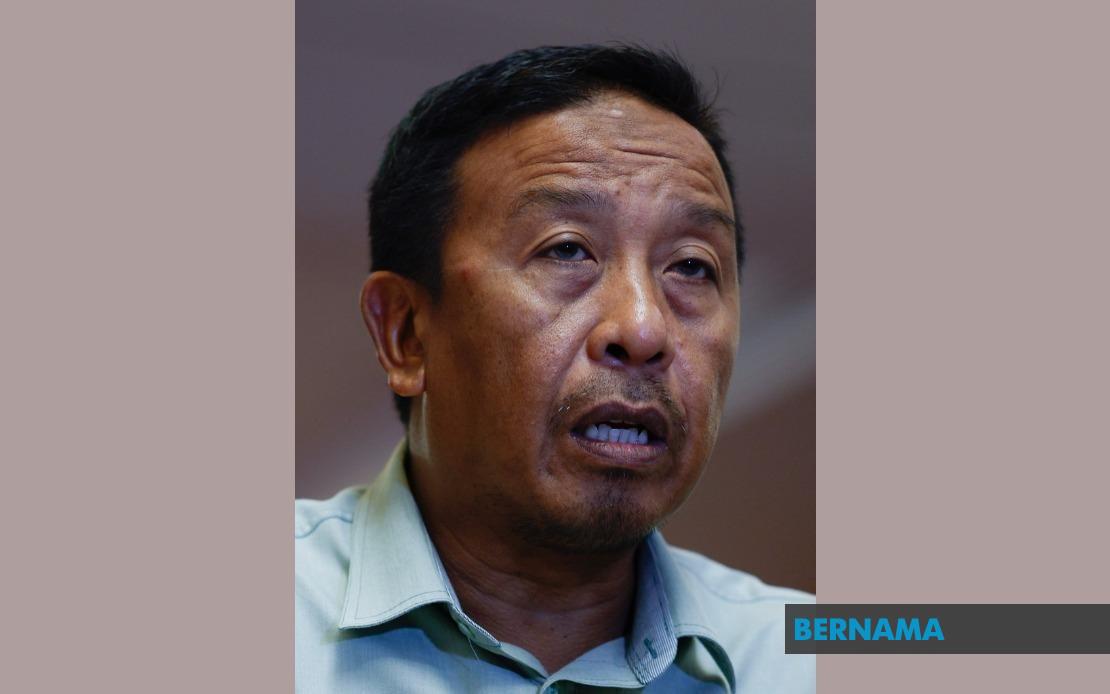
PERHILITAN director-general Abdul Kadir emphasised the department's unwavering commitment to wildlife protection and conservation efforts across Malaysia. He articulated that the organisation remains open to refining its operational practices based on constructive public feedback, suggesting a responsive posture toward legitimate concerns raised by citizens and civil society. However, the statement also contained an implicit message cautioning against the spread of unverified information, calling on the public to ensure accuracy before sharing content related to wildlife incidents online.
This caution reflects the challenges faced by regulatory agencies in the social media era, where videos can rapidly circulate without context or full information about compliance measures, oversight mechanisms, or mitigating factors. The viral nature of the Kelantan elephant video demonstrates how quickly public opinion can mobilise around animal welfare concerns, particularly in Malaysia where there is considerable public engagement with environmental and conservation issues. The department's plea for verified information underscores the tension between transparency and the potential for sensationalised or incomplete narratives to shape public discourse.
For Malaysian readers and stakeholders with interests in animal welfare, environmental protection, and governance, the establishment of this task force carries multiple implications. First, it signals that public pressure and digital activism can prompt government agencies to revisit and potentially strengthen their regulatory frameworks. Second, it suggests that PERHILITAN recognises the need to enhance its standing regarding animal welfare compliance and public trust. The involvement of MACC's Governance Investigation Division particularly indicates that the review process may examine not only the adequacy of procedures but also questions of accountability and transparency in how permits are granted and monitored.
The broader Southeast Asian context adds another dimension to this development. Across the region, countries are grappling with how to modernise regulations governing the use of animals in tourism, entertainment, and cultural activities. Malaysia's experience with the Kelantan incident and the resulting task force may establish precedents that influence how other nations in the region approach similar challenges. The emphasis on stakeholder consultation and multi-agency coordination could serve as a model for improving governance in wildlife management more broadly.
Members of the public wishing to lodge complaints or provide input regarding wildlife management and elephant procession practices can utilise PERHILITAN's dedicated hotline at 1-800-88-5151 or submit formal complaints through the Public Complaints Management System (SISPA) accessible on the department's official website. These accessible channels suggest an effort by PERHILITAN to institutionalise mechanisms for public engagement and oversight, enabling citizens to contribute to improving standards and holding authorities accountable for animal welfare compliance.
As the task force undertakes its review of elephant procession procedures and relevant legislation, the outcomes will likely extend beyond this specific incident to establish clearer, more comprehensive standards for wildlife deployment in public events throughout Malaysia. The timeline for this review and the expected recommendations remain to be announced, but the initiative represents a significant step in acknowledging public concerns and working toward enhanced protections for the country's wildlife assets.

