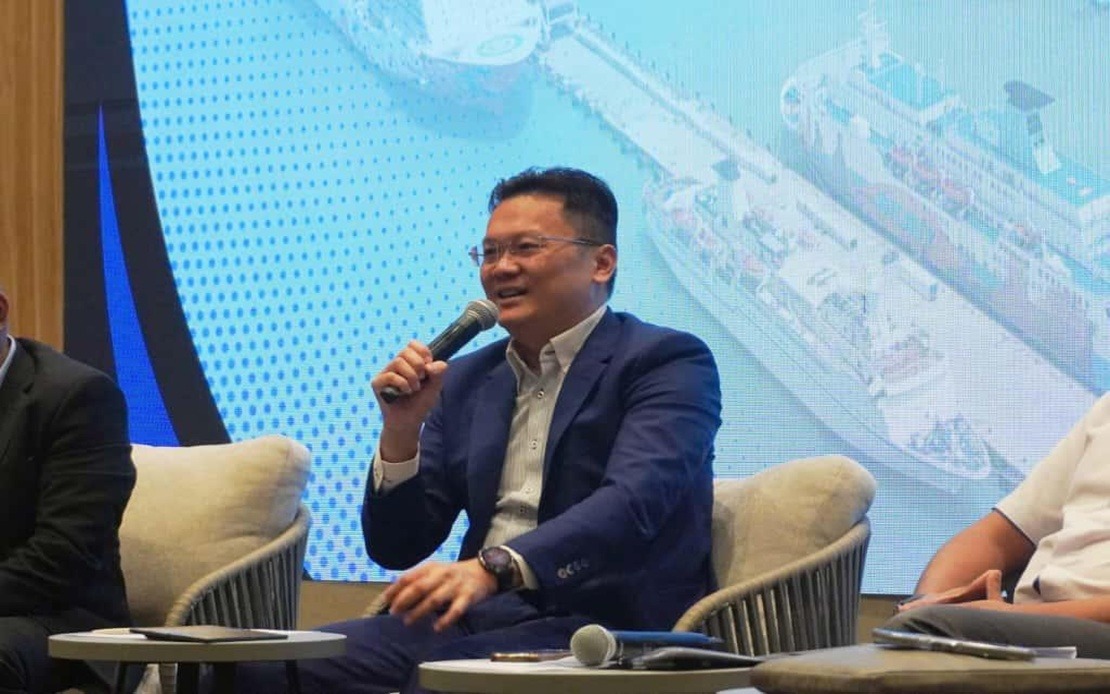
Penang Port Commission has established a comprehensive Standard Operating Procedure governing the handling of all ship-generated waste at its terminals, marking a significant regulatory step in the port's commitment to environmental stewardship. The move represents PPC's formal adoption of stringent protocols designed to standardise operations across all waste management activities while maintaining full compliance with Malaysian environmental and maritime laws. According to PPC chairman Datuk Yeoh Soon Hin, the initiative reinforces the port's broader ambition to transition towards lower-carbon and more sustainable shipping operations, aligning with national priorities under Transport Minister Anthony Loke's Green Port aspiration.
The new framework establishes a multi-tiered licensing and approval system that significantly raises the operational bar for waste management companies seeking to work within Penang Port. Any operator intending to handle ship-generated waste must first secure a valid licence from PPC, a foundational requirement that ensures basic operational competency. Beyond PPC's approval, operators must also obtain clearances from the Department of Environment, the National Water Services Commission (SPAN), the Royal Malaysian Customs Department, and relevant local authorities before they can begin work. This layered approval structure reflects the interconnected nature of waste management oversight in Malaysia, where environmental, water, customs, and municipal authorities all have jurisdiction over different aspects of maritime waste handling.
The SOP creates three distinct categories for ship-generated waste, each with its own handling requirements and disposal protocols. Scheduled waste originating from ships—which may include hazardous or regulated materials—forms the first category and requires the most rigorous management. Domestic waste, including dunnage materials commonly used for cargo securing and insulation, constitutes the second category. Sewage waste from vessels represents the third category, with its own specific treatment and discharge requirements. By compartmentalising waste types, PPC enables operators to apply appropriate containment, treatment, and disposal methods tailored to each waste stream's unique environmental risks.
Operators face strict accountability requirements under the new regime. Licensed operators assume full responsibility for ensuring that all waste handling activities proceed safely, systematically, and in strict accordance with the conditions outlined in the circular. This personal liability model incentivises compliance and creates clear chains of accountability should violations occur. The procedural requirement that operators verify waste quantities directly with vessels before handling and subsequently submit comprehensive declaration documents—including disposal and discharge notes—to PPC and relevant agencies creates an auditable paper trail. This documentation requirement serves multiple purposes: it enables environmental monitoring, facilitates regulatory inspections, supports customs oversight, and provides evidence of proper disposal at approved facilities.
The regulatory architecture reflects growing international concern about marine pollution originating from port operations. Ship-generated waste represents a significant environmental risk in busy maritime hubs like Penang, which handles substantial container traffic and serves as a crucial transhipment point for Southeast Asian trade. Poor waste management at ports can lead to contamination of coastal waters, harm to marine ecosystems, and degradation of the port environment itself. By implementing systematic controls, PPC aims to prevent unauthorised dumping, reduce the likelihood of hazardous materials entering waterways, and establish clear accountability for every tonne of waste generated by visiting vessels.
The initiative gains particular significance in the Malaysian context, where ports operate under increasing scrutiny regarding environmental performance. Penang Port's implementation of this SOP positions it competitively among Southeast Asian facilities and demonstrates responsiveness to stakeholder expectations around sustainability. International shipping companies, particularly those subject to strict environmental standards in their home jurisdictions, increasingly prefer ports with demonstrable waste management credentials. By formalising these procedures, Penang Port signals its commitment to maintaining high environmental standards and may thereby attract quality shipping operators who prioritise compliance.
PPC's commitment to ongoing monitoring and enhancement mechanisms demonstrates that this SOP is not merely a static regulatory instrument but rather the foundation for continuous improvement. The port authority intends to monitor implementation progress, strengthen compliance through regular inspections and audits, and actively encourage operators to adopt advanced technologies and international best practices. This forward-looking approach acknowledges that waste management practices and environmental technologies evolve continuously, and regulatory frameworks must adapt accordingly. By emphasising technology adoption and best practice sharing, PPC positions Penang Port as an institution committed to progressive environmental stewardship rather than mere rule enforcement.
The waste reduction and recycling focus embedded within the SOP reflects evolving global maritime environmental norms. Rather than treating ship-generated waste primarily as a disposal problem, the framework encourages operators to explore waste minimisation at source, material recovery opportunities, and recycling pathways. This circular economy perspective aligns with broader sustainability objectives pursued by Malaysian maritime authorities and shipping industry stakeholders. Companies that successfully implement waste reduction strategies gain competitive advantages through lower disposal costs and enhanced environmental credentials, creating financial incentives for proactive waste management behaviour.
For Malaysian shipping companies and port operators, the new procedures introduce compliance obligations that require investment in training, documentation systems, and potentially new operational infrastructure. Smaller operators may face particular challenges in meeting multi-agency approval requirements and maintaining rigorous record-keeping standards. However, the standardised approach ultimately reduces uncertainty and creates level playing fields, as all operators must meet identical requirements regardless of size or corporate affiliation. This uniformity prevents competitive distortions arising from inconsistent enforcement and ensures that environmental protection does not depend on individual operator integrity but rather on systematic procedures and oversight.
The timing of this SOP implementation reflects broader regional momentum around port sustainability. Neighbouring jurisdictions including Singapore and the Port Klang Authority have similarly strengthened environmental governance frameworks. Penang's move positions it within a regional trend toward higher environmental standards in maritime logistics, potentially influencing competitive dynamics across Malaysian ports. Shipping lines evaluating port choices increasingly incorporate environmental performance into decision-making calculus, making PPC's proactive stance a strategic asset in attracting quality business.
Looking forward, the effectiveness of this SOP will depend substantially on implementation rigour and regulatory consistency. PPC's stated commitment to ongoing monitoring and auditing suggests that management takes enforcement seriously, though sustained resource allocation and inter-agency coordination will prove critical to success. The requirement for operators to engage with multiple government agencies simultaneously also presents opportunities for coordination gains and efficiencies, as agencies can share inspection findings and compliance intelligence. Conversely, poor inter-agency communication could create regulatory friction and compliance burdens for operators attempting to navigate overlapping requirements.
The SOP represents a maturation of Penang Port's governance structures in recognition that environmental protection and commercial port operations can be complementary rather than contradictory objectives. By establishing clear, standardised procedures that multiple stakeholders can understand and implement, PPC creates a foundation for sustainable port development that balances economic growth with environmental responsibility. As Malaysian shipping and port industries navigate increasingly complex global environmental expectations, instruments such as this SOP demonstrate regulatory responsiveness and institutional capacity to manage competing demands. The coming months will reveal whether operators can successfully implement these requirements while maintaining operational efficiency, but the framework itself reflects thoughtful policy design grounded in international best practices and local maritime realities.

