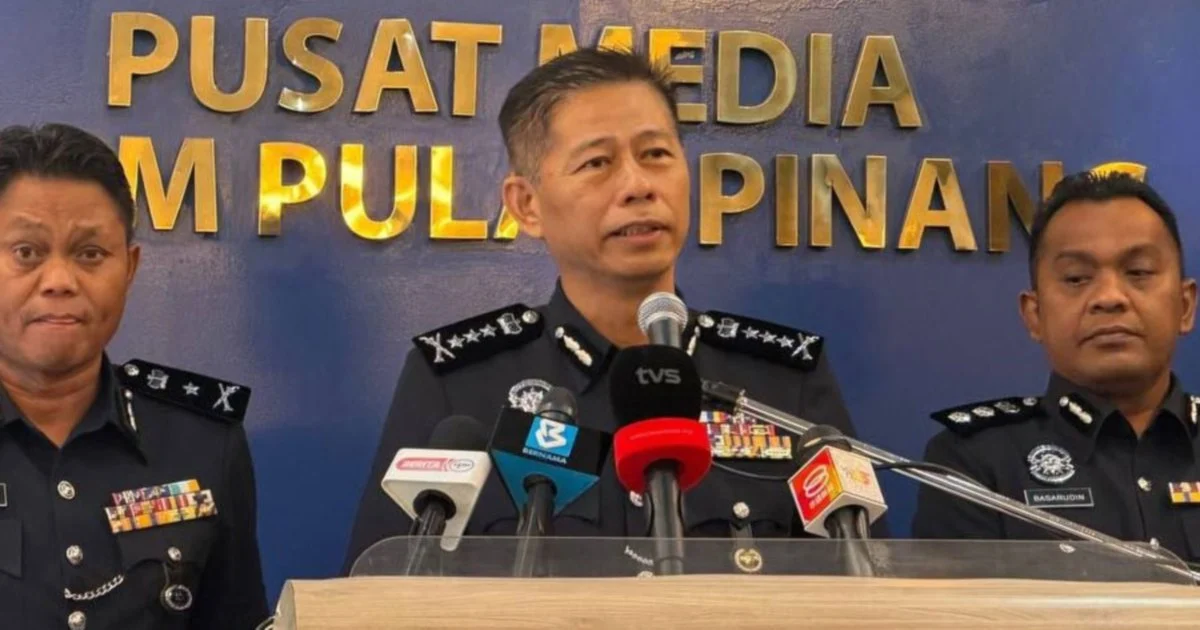
Law enforcement in Penang is preparing to deploy greater resources to combat illegal wagering activities as the FIFA World Cup tournament moves into its concluding phase, signalling a marked intensification in their crackdown against underground gambling networks that have proliferated across the state in recent weeks.
The Penang Police contingent has already secured 31 arrests relating to illegal betting operations throughout the state, according to reports from George Town. This figure underscores the scale of underground gambling that materialises during major international sporting fixtures, when syndicates exploit heightened public interest in football to expand their illicit operations and maximise profits from clandestine betting rings.
The decision to escalate enforcement efforts comes as organisers and authorities across Malaysia have recognised that major sporting tournaments create vulnerability windows during which unlicensed gambling operations flourish with relative impunity. The World Cup final stages, encompassing knockout matches and the championship decider, represent peak periods for betting activity, as casual spectators and habitual gamblers alike seek to place wagers on increasingly competitive encounters.
Penang's approach reflects a nationwide pattern, with police forces in other states similarly mobilising personnel and intelligence resources to dismantle betting networks. The coordination between federal and state-level authorities has become increasingly sophisticated, utilising financial tracking, digital surveillance, and informant networks to identify operators and members of syndicated groups. Illegal betting represents not merely a vice problem but a gateway issue linked to organised crime, money laundering, and loan-sharking activities that destabilise communities.
The Penang contingent's enforcement strategy encompasses both targeting supply-side operators who facilitate illegal wagering and demand-side participants who engage in underground betting. Officers have been tasked with monitoring known gathering points, tracking communications channels utilised by syndicates, and following financial flows that indicate large-scale wagering activity. The intensity of these operations typically correlates with the tournament calendar, rising sharply during matches and subsiding during inter-match intervals.
For Malaysian readers and residents across the Klang Valley and other major urban centres, the crackdown carries particular significance given how seamlessly underground betting has integrated into social fabric surrounding major matches. Illegal bookmakers operate through established networks utilising smartphones, messaging applications, and word-of-mouth referrals, rendering them difficult to detect compared to centralised physical operations. The distributed nature of these networks means enforcement requires sustained effort across multiple jurisdictions and tactical approaches.
The distinction between legal and illegal betting in Malaysia remains critical to understanding enforcement priorities. While certain forms of licensed wagering exist through specific government-sanctioned operators, the vast majority of betting activity remains prohibited. Police view the crackdown not as moralistic intervention but as a necessary component of broader organised crime prevention, given the sums involved and the criminal organisations that typically control syndicated operations.
Penang's geographic position as a transit and commercial hub makes it particularly vulnerable to betting network establishment, as operators from neighbouring states and international sources establish footholds in the state. The cosmopolitan character of Georgetown and the substantial tourist and migrant populations create demand diversity that allows syndicates to operate across multiple communities simultaneously. Dismantling these networks requires understanding their operational sophistication and the technological enablers that modern betting utilises.
The timing of the intensified crackdown reflects recognition that post-match periods also generate enforcement opportunities, as losing bettors often require rapid access to credit or face pressure from syndicates. The associated violence, debt coercion, and personal crises that follow from uncontrolled betting create secondary law enforcement burdens that justify preventive enforcement action during high-betting-activity periods.
Beyond immediate law enforcement outcomes, the Penang initiative underscores broader policy conversations about gambling regulation and public health. Several neighbouring jurisdictions have debated whether licensing and regulating certain betting activities might divert demand away from illegal operations while generating government revenue. However, Malaysian policymakers have largely rejected this approach in favour of enforcement-based prohibition, reflecting cultural and religious frameworks within which wagering operates.
For residents managing household finances and concerned about predatory lending that often accompanies illegal betting, the enforcement actions provide some reassurance that authorities acknowledge the social costs. The 31 arrests translate into disrupted operations, even if temporarily, and the visible police presence itself functions as a deterrent for those considering participation in illegal wagering networks.
The Penang police operation will likely continue through the tournament's conclusion, with resources potentially being redirected toward other enforcement priorities once the World Cup concludes. However, the underlying infrastructure supporting illegal betting typically remains intact between major tournaments, allowing rapid mobilisation when the next significant sporting event creates renewed demand and opportunity.

