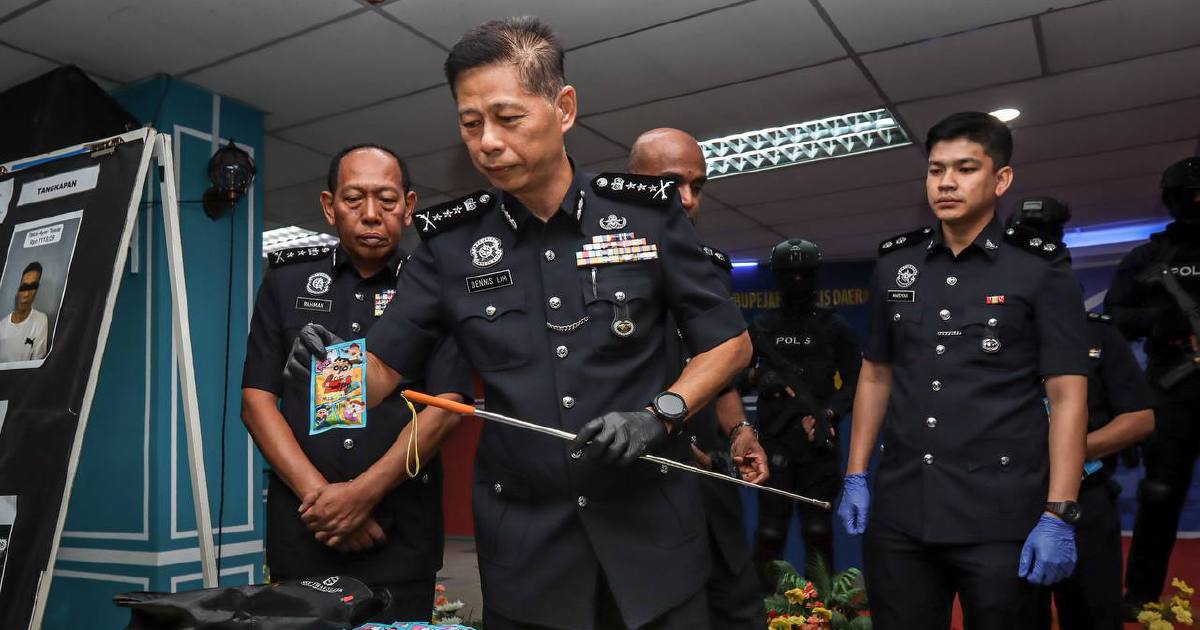
Penang police conducted a successful drug enforcement operation in Teluk Air Tawar on Sunday, resulting in the seizure of a substantial quantity of ecstasy and the arrest of one suspect. The narcotics unit recovered 3.1 kilograms of MDMA, commonly known as ecstasy, during the raid. The seized drugs were estimated to have a street value of approximately RM470,000, representing a considerable quantity of dangerous substances that could have reached users across the northern region.
The operation underscores the ongoing efforts by Penang state police to combat drug trafficking activities within the state. Teluk Air Tawar, a residential area in George Town, has become the focus of drug enforcement operations as authorities tighten their grip on narcotics distribution networks. This seizure represents one of several major drug busts reported in Penang in recent months, indicating intensified police activity in tackling the persistent narcotics problem plaguing the island state.
MDMA, the synthetic drug commonly known as ecstasy or E, remains one of the most frequently abused recreational substances in Malaysia, particularly among younger demographics. The drug is classified as a Class A substance under the Dangerous Drugs Act 1952, making its trafficking a serious criminal offence carrying severe penalties. The substantial quantity recovered in this operation suggests that the suspect may have been involved in wholesale distribution rather than simple possession for personal consumption.
The street value assigned to the seized drugs reflects the high profitability of the ecstasy trade in Malaysia. A kilogram of MDMA can fetch approximately RM151,000 at retail prices, making drug trafficking an economically attractive criminal enterprise for those willing to risk lengthy prison sentences. The RM470,000 valuation indicates that the confiscated quantity could have supplied hundreds of users or been intended for distribution to multiple outlets across Penang and potentially neighbouring states.
Penang, as one of Malaysia's most developed states with a substantial tourist industry and large urban population, has long been a strategic location for drug trafficking operations. The state's ports, airports, and road networks provide multiple entry points for foreign narcotics destined for Malaysian and regional markets. The concentration of enforcement resources in areas like Teluk Air Tawar demonstrates police awareness of drug distribution hotspots within residential communities.
The arrest made during the operation has been referred for further investigation under the Dangerous Drugs Act. Authorities typically conduct interrogations to determine whether the suspect was acting as a retailer, wholesaler, or courier within a larger trafficking network. Such investigations can lead to the identification and apprehension of higher-level distributors and supply chain operators, potentially dismantling entire distribution networks.
The timing of this seizure coincides with broader national concerns about drug abuse prevalence in Malaysia. The United Nations Office on Drugs and Crime has highlighted Southeast Asia as an increasingly important market for synthetic drugs manufactured in clandestine laboratories throughout the region. MDMA seizures across Malaysia have increased substantially over the past decade, reflecting both rising supply and demand dynamics within local drug markets.
For Malaysian readers, particularly those in Penang and surrounding states, this raid serves as a reminder of the persistent drug problem affecting communities nationwide. The accessibility of dangerous synthetic substances at street level indicates that supply disruption efforts, while important, must be complemented by demand reduction initiatives including education, treatment services, and rehabilitation programmes. The presence of such large quantities in residential areas also underscores the risk faced by communities when trafficking operations establish themselves nearby.
Looking forward, law enforcement agencies across Malaysia face the challenge of adapting their tactics to counter increasingly sophisticated drug trafficking methods. Traffickers utilise encrypted communications, cryptocurrency transactions, and complex supply chains to evade detection. The Penang operation demonstrates that conventional enforcement methods remain valuable, yet authorities acknowledge that sustainable reductions in drug availability require regional cooperation and international collaboration to address supply sources and transit routes used by transnational criminal organisations.

