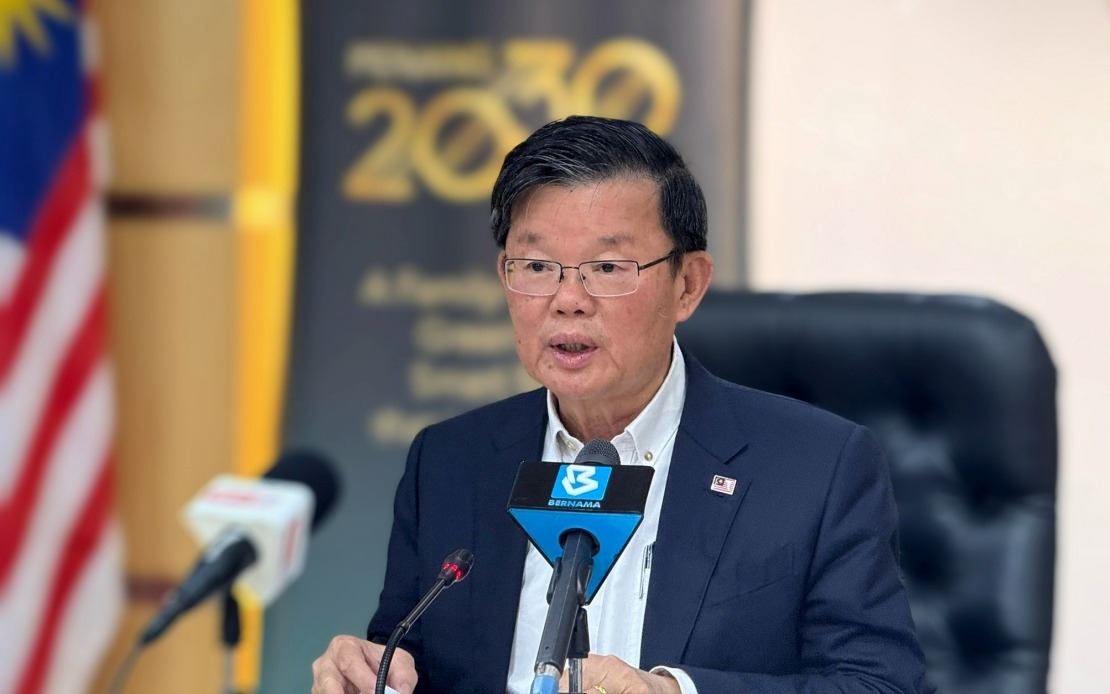
Penang's Pakatan Harapan coalition is entering a critical phase of electoral preparation, with all subcommittees across the state now operating under instructions to complete internal reviews and submit comprehensive progress reports by early August. Chow Kon Yeow, the Penang Chief Minister and PH chairman for the state, announced the move during a media briefing at Komtar in George Town on July 15, signalling that the coalition is undertaking a methodical assessment of its organisational readiness and campaign effectiveness ahead of the next general election.
The directive reflects a deliberate approach to political preparation that goes beyond routine committee work. Rather than treating these reports as bureaucratic formalities, PH is using them as a foundation for what the party terms a comprehensive "review and analysis" of its current position. This process is designed to identify operational gaps, fortify existing competitive advantages, and recalibrate strategic messaging to maintain appeal with voters. The August timeline is strategic—early enough to implement corrective measures before campaigning intensifies, yet close enough to the anticipated election cycle to ensure findings remain relevant.
Chow's remarks underscored the coalition's receptiveness to external feedback and internal self-criticism, a posture that carries particular significance in Malaysian politics where party unity and perceived strength often determine voter confidence. By publicly inviting advice on areas requiring improvement, PH is attempting to project an image of a coalition willing to adapt and evolve rather than remain rigid in its approach. This stance contrasts with parties that project unwavering certainty, instead positioning PH as responsive to democratic input from party members and the broader electorate.
The coalition's performance in the 2023 Penang state election provides the baseline against which current preparations must be measured. PH and Barisan Nasional (BN) jointly secured 29 of the 40 state assembly seats available, creating the Unity Government framework that continues to govern Penang. Within this coalition, DAP achieved complete success in all 19 seats it contested, while PKR won seven seats and Amanah captured one seat. BN's contribution of two seats completed the coalition's commanding majority. This electoral mandate has given the coalition substantial legitimacy and control over state legislative affairs, though maintaining such dominance requires continuous effort to consolidate support and prevent voter drift toward opposition parties.
The stability of the Unity Government itself has become a secondary concern according to Chow, who emphasised that cooperation among coalition component parties remains untroubled. His assertion that "everything remains status quo, no party is initiating any new directional decision" appears designed to reassure party members and the public that the arrangement remains solid and functional. In Malaysian political culture, where coalitions can fragment suddenly over resource distribution, ministerial appointments, or policy disagreements, this kind of public reaffirmation matters considerably. The fact that Chow felt obliged to address coalition stability suggests these concerns exist sufficiently in public discourse to warrant explicit denial.
For Malaysian voters and observers monitoring Penang politics, the renewed focus on strategic refinement signals that PH anticipates a competitive electoral environment. The coalition cannot assume that its 2023 performance will automatically translate to success in the next general election. National political currents, evolving demographic patterns, economic conditions, and shifts in voter priorities all create uncertainty. By instructing subcommittees to examine their operations and impact, PH is attempting to address potential vulnerabilities before they materialise into electoral losses.
The implications extend beyond Penang's borders. As one of Malaysia's most politically competitive states and a PH stronghold, Penang often serves as a barometer for coalition strength nationally. The Health of PH's organisational machinery in Penang reflects the broader capacity of the coalition to function effectively across Malaysia. If subcommittee reports reveal systemic weaknesses—poor coordination between party units, inadequate community engagement, ineffective messaging frameworks, or resource misallocation—these problems likely exist elsewhere in PH's structure, affecting the coalition's national prospects.
Chow's emphasis on reorganising strategies specifically suggests that PH recognises the static approach may prove insufficient. Electoral politics demands continuous innovation in communication methods, issue prioritisation, and voter engagement tactics. What resonated in 2023 may require calibration for changing circumstances. The coalition must balance consistency of messaging with tactical flexibility, avoiding both stagnation and the perception of policy incoherence that damages voter trust.
The early August reporting deadline creates accountability mechanisms within PH's hierarchy. Subcommittees must now document their activities, assess effectiveness, and justify resource utilisation. This creates internal pressure to demonstrate productive engagement rather than allowing committees to function invisibly. Such transparency, whether directed externally or maintained internally, tends to improve organisational performance by making individual leaders answerable for their portfolios' outcomes.
Looking forward, Penang's electoral dynamics will likely influence broader Malaysian politics significantly. The state's multicultural composition, relatively high levels of political engagement, and competitive partisan landscape make it a testing ground for campaign strategies and messaging approaches. How effectively PH implements recommendations from its August reviews will provide early indicators of the coalition's readiness for national campaigning. Success in Penang could reinforce coalition momentum, while difficulties in executing identified improvements might suggest deeper structural problems requiring more substantial reform.
Chow's statement ultimately reflects a coalition attempting to manage the inherent tension between claiming recent electoral success and acknowledging room for improvement. The strategy of simultaneous confidence and humility—projecting that PH deserves continued voter support while remaining open to evolution—may prove effective in maintaining the coalition's appeal across Penang's diverse electorate. Whether these internal reviews translate into tangible campaign improvements will become apparent as the election cycle approaches.

