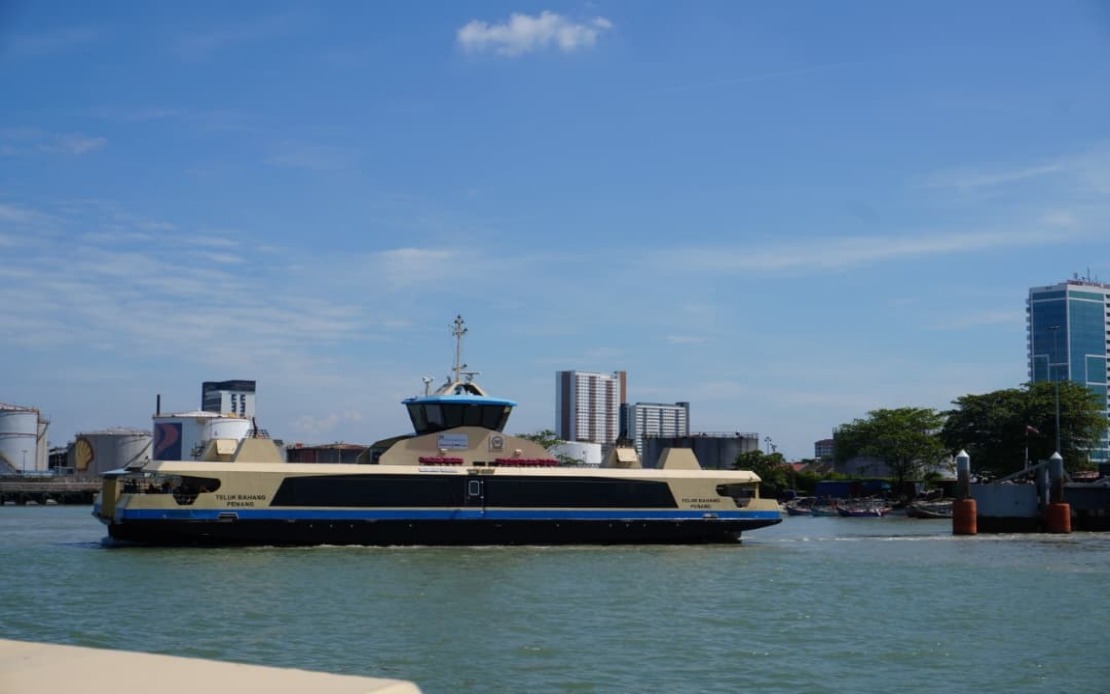
In recognition of Malaysia's 69th National Day, Penang ferry services will operate without charge for Malaysian passengers on August 31, according to an announcement from Penang Port Commission chairman Datuk Yeoh Soon Hin. The complimentary service represents a collaborative effort between SPPP and Penang Port Sdn Bhd to ease holiday congestion and foster greater reliance on environmentally conscious transportation options throughout the state.
The free ferry initiative will maintain the regular operational schedule at both major terminals serving the Penang Strait crossing. Sultan Abdul Halim Terminal in Seberang Perai and Raja Tun Uda Terminal in George Town will continue their standard ferry runs, ensuring seamless connectivity for commuters and holiday travellers alike. This consistency allows residents to plan their movements without disruption to the established timetable.
The financial benefit to users will be substantial, particularly for regular commuters. Pedestrians ordinarily pay RM2 per one-way crossing, while motorcyclists and two-wheeled vehicle operators typically incur RM2.50 for a single journey. For families and groups celebrating the national holiday, these savings multiply considerably across multiple trips, making the promotional gesture economically meaningful beyond its symbolic value.
Historical data underscores the appeal of free ferry services during national celebrations. Last year's National Day ferrying numbers revealed approximately 9,185 pedestrians and 1,874 two-wheeled vehicles utilised the crossing during the festivities. These figures suggest substantial public uptake when barriers to use are removed, indicating that fare elimination could drive even higher patronage this year as Malaysians seek convenient ways to commemorate the occasion.
Port authorities frame the initiative within a broader sustainability agenda. By reducing the financial disincentive to ferry use, the scheme encourages Malaysians to abandon private vehicles for the holiday, thereby decreasing traffic pressure on Penang's congested roadways and reducing carbon emissions. The initiative aligns with regional and national commitments to greener urban mobility, positioning public water transport as a viable alternative to road-based solutions.
Beyond the ferry fare waiver, Penang Port Commission is amplifying its National Day programming through additional cultural initiatives. The organisation is partnering with the Penang Ferry Museum to launch a "Kids Go Free Merdeka Special" campaign, running concurrently from August 29 to 31. This programme extends complimentary museum entry to Malaysian children aged 12 and below, creating a family-friendly celebration package that combines transportation benefits with educational and heritage engagement.
The museum partnership holds particular significance as SPPP marks its 70th anniversary this year, transforming the National Day celebrations into a dual commemoration of both national independence and the port commission's institutional longevity. The Platinum Jubilee milestone provides an opportunity for SPPP to reinforce its role in facilitating regional connectivity and demonstrate community goodwill through expanded public access programmes.
For Malaysian families planning Merdeka Day activities, the cumulative value proposition becomes compelling. Complimentary ferry crossing eliminates a transportation barrier, while simultaneous museum access provides enriching activities at no cost. This bundled approach suggests deliberate strategic thinking by port authorities to position public sector services as integral to national celebrations, strengthening public perception of institutional relevance during festive periods.
The initiative also reflects broader sectoral efforts to normalise public transport usage during high-demand periods. By removing price signals, authorities experiment with demand management through incentive rather than regulation. Such programmes generate valuable operational data regarding ridership patterns, vehicle mix, and capacity utilisation when financial obstacles disappear—intelligence useful for future service planning and infrastructure investment decisions.
Penang's approach offers a model for other Malaysian states operating public ferry or water transport systems. The combination of zero-cost access with maintained service schedules demonstrates that promotional generosity need not compromise operational efficiency or require emergency service augmentation. The strategy positions national celebrations as opportunities for institutions to demonstrate public-oriented values while gathering empirical information about demand elasticity and service capacity.
For Southeast Asian context, Penang's initiative reflects growing recognition that public commemoration events create optimal conditions for promoting sustainable transport adoption. When citizens experience convenient, costless ferry travel during festive periods, positive associations form between public transport use and national pride, potentially influencing longer-term behavioural patterns and modal preferences beyond the immediate holiday window.

