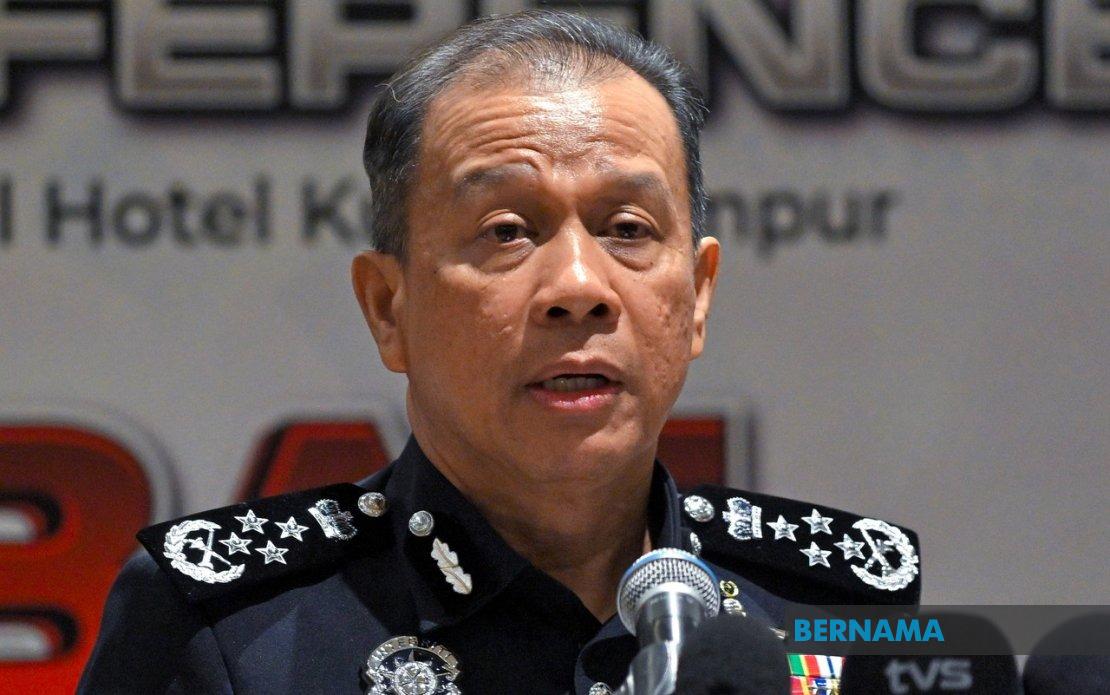
Malaysia's police force is preparing to embed officers within the country's aviation security framework as part of a significant restructuring of airport safety protocols. Inspector-General of Police Tan Sri Mohd Khalid Ismail confirmed that the Royal Malaysia Police (PDRM) has endorsed the Cabinet's decision to integrate police personnel into Aviation Security (AVSEC) operations, marking a strategic shift in how the nation approaches threats at its major entry and exit points.
The decision arrives at a critical moment for Malaysian aviation security, following the detention of a Malaysian pilot in Indonesia on suspicion of drug smuggling—an incident that exposed vulnerabilities in the existing system and prompted urgent government action. MADANI Government spokesman Datuk Seri Fahmi Fadzil announced the initiative as an immediate measure designed to close gaps in current security controls and prevent criminals from exploiting aviation infrastructure for illicit purposes.
The implementation of police involvement represents coordination between multiple government bodies. The PDRM, working alongside the Home Ministry (KDN), the Ministry of Transport (MOT), and associated agencies, is currently mapping out the operational framework. This includes determining the specific responsibilities of police officers, identifying which airports will receive deployments, calculating staffing requirements, defining command structures, and establishing protocols for inter-agency communication. The complexity of these arrangements reflects the sensitive nature of aviation security and the need to avoid disrupting normal airport operations while simultaneously enhancing protective measures.
Tan Sri Mohd Khalid articulated the rationale behind police integration, emphasizing that the PDRM's involvement would amplify several critical functions. Intelligence gathering and sharing capabilities would expand significantly, allowing law enforcement to contribute their established networks and investigative expertise to airport security operations. The police force's ability to detect emerging threats would sharpen through direct presence at aviation facilities, while enforcement mechanisms against suspicious activities would accelerate. Most importantly, the framework enables rapid response protocols when criminal behaviour or security breaches are identified, reducing reaction times that could be crucial in preventing incidents.
The broader security architecture being developed extends well beyond simple police deployment. Malaysian authorities are constructing a multi-layered defence system incorporating reinforced access controls to restrict movement within restricted zones, upgraded screening procedures to detect prohibited items and substances, enhanced security checks at multiple stages of passenger processing, systematic risk assessments to identify potentially dangerous individuals or cargo, and institutionalized cooperation among all relevant agencies and private stakeholders. This comprehensive approach recognizes that aviation security depends not on single interventions but on integrated systems where multiple safeguards operate in concert.
The implementation of integrated, intelligence-led security controls addresses a fundamental challenge in modern aviation protection. The current environment demands not simply reactive security—detecting threats after they emerge—but preventive security that identifies and neutralizes risks before they materialize. By deploying police with access to criminal databases, investigation techniques, and law enforcement networks, the government believes it can significantly reduce the operational space available to those attempting to exploit aviation for smuggling, trafficking, or other crimes. Gaps in existing procedures that sophisticated criminals might exploit can be systematically identified and closed through this collaborative approach.
For Malaysian readers and the broader Southeast Asian region, the implications are substantial. Major Malaysian airports serve as crucial nodes in regional and global aviation networks, handling millions of passengers and significant cargo volumes annually. Security breaches at these facilities endanger not only travellers but also Malaysian economic interests and regional stability. The police deployment signals that authorities take these threats seriously and are willing to undertake substantial operational restructuring to address vulnerabilities.
The timing of this initiative also carries significance for the country's reputation. Drug smuggling cases involving Malaysian nationals attract international attention and can damage the nation's standing in global aviation and law enforcement communities. The proactive response demonstrates governmental commitment to addressing security gaps rather than allowing external critics to question Malaysia's capacity to safeguard its airspace and airport operations. This is particularly important given the region's experiences with aviation security incidents and the ongoing vigilance required against organised criminal networks operating across Southeast Asia.
Implementation challenges remain substantial. Training police officers for specialized aviation security roles requires time and resources. Establishing effective command structures that integrate police personnel into existing AVSEC hierarchies demands careful negotiation of responsibilities and authority. Ensuring that police deployment enhances rather than impedes airport efficiency will require sophisticated coordination and clear protocols. The government and agencies involved must develop comprehensive operational procedures that specify how police will interact with existing security personnel, airport management, airlines, and international partners who have their own security requirements.
The financial implications of this expansion also warrant consideration. Deploying sufficient police personnel across Malaysia's major airports, providing specialized training, and maintaining sustained presence will require budgetary allocation. These resources represent an investment in both security and economic protection, given the potential costs of security failures or disruptions to aviation operations. Whether this expense is sustainable over the long term, and whether it yields measurable improvements in threat detection and prevention, will be important metrics for evaluating the initiative's success.
International aviation security standards and cooperation frameworks will also influence implementation. Malaysia works within International Civil Aviation Organization (ICAO) regulations and coordinates with other nations' aviation authorities. The police deployment must align with these international requirements while fitting Malaysia's specific security environment and organizational structures. This international dimension means that the success of the initiative will be assessed not only domestically but by international aviation security partners upon whom Malaysia depends for information sharing and coordinated responses to transnational aviation threats.
Tan Sri Mohd Khalid's assurance that flight safety and security at the nation's borders remain paramount priorities establishes the ultimate objective guiding this initiative. The statement underscores that any criminal attempt to use aviation as a conduit for illegal activities will face coordinated, integrated responses from law enforcement and security agencies working within a strengthened framework. For Malaysia's aviation sector and the travelling public, this represents a commitment to continuous security improvement in an environment where threats evolve continuously and adaptation remains perpetually necessary.

