Parti Pesaka Bumiputera Bersatu Sarawak (PBB) is preparing for a significant political gathering as it gears up to host its Central Zone Special Convention at the Sibu Indoor Stadium on July 26, drawing expectations of more than 3,000 party members representing 24 branches across the zone. The convention represents an important occasion for the ruling coalition partner in Sarawak to deliberate on matters of regional and national significance while consolidating party unity ahead of the 2026 electoral cycle.
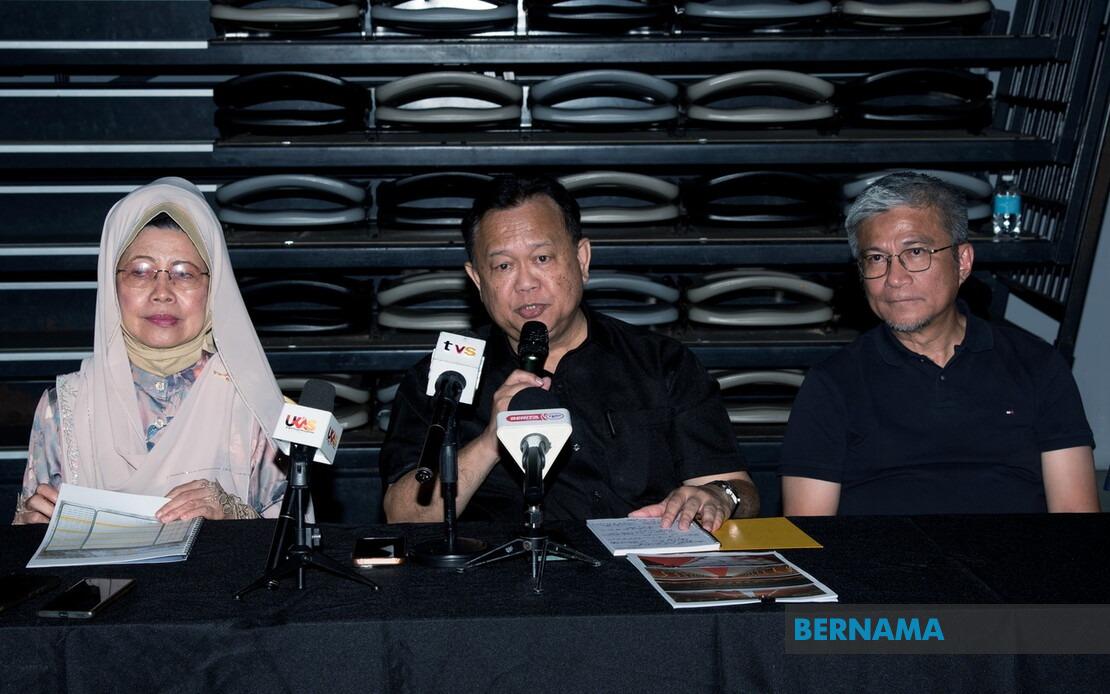
According to PBB secretary-general Datuk Seri Alexander Nanta Linggi, the central zone convention will be the inaugural event in a series of special conventions planned across the state's different geographical zones. The sequential roll-out will continue with gatherings in the southern, Betong, and northern zones in subsequent months, allowing the party to engage delegates across Sarawak systematically. This structured approach reflects PBB's strategy to ensure broad-based consultation and consensus-building among grassroots members ahead of anticipated political developments.
The organising committee convened recently to coordinate the detailed logistical and administrative arrangements required for hosting such a large gathering. The coordination sessions focused on ensuring smooth execution of proceedings, managing the attendance of thousands of delegates, and orchestrating the various programme components scheduled for the convention day. The scale of preparation underscores PBB's commitment to projecting organisational strength and political vitality within Sarawak's political landscape.
A central feature of the convention will be an in-depth presentation addressing the Malaysia Agreement 1963 (MA63), a constitutional instrument of particular significance to Sarawak. The MA63 remains a defining document in Sarawak's relationship with the Malaysian federation, governing the state's constitutional position, autonomy, and fiscal arrangements. PBB's emphasis on MA63 discussions signals the party's attention to federalism and state rights issues that resonate deeply with Sarawak's political consciousness and its electorate.
Beyond constitutional matters, the convention agenda includes substantive deliberations on the Post COVID-19 Development Strategy 2030 (PCDS 2030), reflecting the party's engagement with medium-to-long-term economic planning and recovery frameworks. This component demonstrates PBB's positioning as a forward-thinking administrator concerned with sustainable development trajectories for Sarawak in the post-pandemic environment. The inclusion of PCDS 2030 discussions indicates alignment with broader national development narratives while maintaining focus on Sarawak-specific imperatives.
Political matters will also feature prominently in the convention's deliberations, though specific topics have not been publicly detailed. Given the proximity to 2026 elections and the current political climate in Malaysia, these discussions likely encompass party strategy, coalition positioning, and legislative agendas. For PBB, such internal forums provide opportunities to articulate party direction, address member concerns, and mobilise grassroots support ahead of electoral contests.
Sarawak Premier Tan Sri Abang Johari Tun Openg, who simultaneously holds the position of PBB president, will officiate the convention and address the assembled delegates. His keynote address will likely emphasise the party's achievements, articulate its vision for Sarawak's future, and reinforce party discipline and cohesion. The premier's prominent role underscores the convention's significance within PBB's institutional calendar and its implications for state-level governance and political direction.
The concentration of such substantial delegate attendance in Sibu reflects the central zone's demographic and political importance within Sarawak. Sibu, as a major commercial and population centre in the state, provides appropriate logistics infrastructure for accommodating a convention of this scale. The choice of venue also carries symbolic weight, positioning the state's administrative and political apparatus within a commercially vibrant urban setting.
For Malaysian observers monitoring Sarawak's political dynamics, the PBB convention series offers insight into the internal functioning of one of Malaysia's most significant state-level political organisations. PBB's dominance in Sarawak politics makes its internal deliberations and delegate consensus particularly consequential for the state's governance trajectory. The convention format allows the party leadership to gauge grassroots sentiment on critical issues and reinforce organisational discipline across geographically dispersed branches.
The systematic progression of zone-based conventions across Sarawak also demonstrates sophisticated organisational planning befitting a major political party managing affairs across a large and geographically complex state. This phased approach ensures comprehensive delegate engagement while maintaining manageable gathering sizes that facilitate substantive discussion and decision-making. Such organisational architecture reflects PBB's maturity as an institution and its capacity to orchestrate complex political processes.

