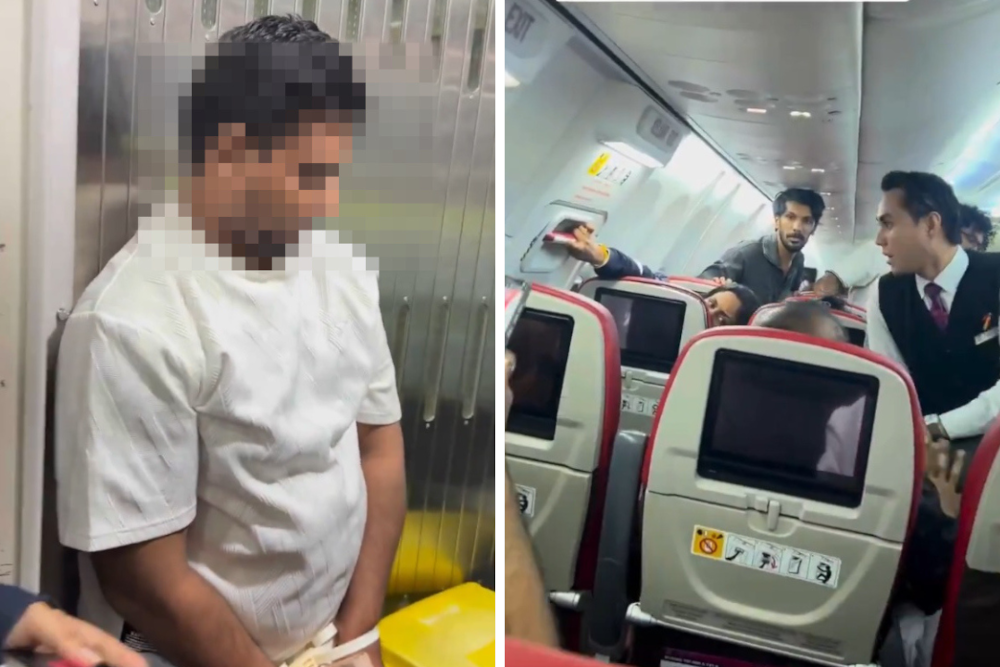
A man was taken into custody following an alarming incident aboard a Batik Air aircraft when he allegedly attempted to open an emergency exit door while the plane was cruising at 9,144 metres above ground level on a flight originating from Malaysia bound for India. The incident underscores growing aviation security concerns and the critical importance of strict protocols governing passenger behaviour during flight operations across Southeast Asia's busy air corridors.
The passenger's actions triggered an immediate response from cabin crew, who were able to prevent any breach of the aircraft's exterior doors before the situation could escalate. The swift intervention by airline staff prevented what could have been a catastrophic safety event, with potentially devastating consequences for everyone aboard the aircraft. Authorities were notified and law enforcement personnel were prepared to respond upon the aircraft's landing.
Batik Air, a subsidiary of Malaysia Airlines, operates an extensive regional network connecting major Southeast Asian hubs with emerging destinations across South Asia. The airline has built a reputation for service across competitive short and medium-haul routes, particularly on Malaysia-India corridors which carry significant passenger volumes driven by business, tourism, and expatriate travel between the two nations. This incident represents a rare disruption to operations on routes the carrier has operated reliably for years.
The apprehension and arrest of the passenger following the landing represents a standard response by aviation authorities to any breach of flight safety regulations. Malaysian authorities, in coordination with relevant civil aviation oversight bodies, would typically investigate such incidents thoroughly to determine the passenger's motives and mental state at the time of the attempted breach. Such investigations are standard procedure following security-related aviation incidents.
This episode reflects broader challenges facing airlines and aviation authorities across the region. While aviation remains statistically the safest form of transportation, isolated incidents involving passenger misconduct create operational disruptions and raise passenger anxiety. Airlines throughout Southeast Asia have implemented enhanced security briefings, crew training protocols, and monitoring systems to detect and respond to unusual passenger behaviour before situations escalate to dangerous levels.
The emergency exit doors on modern commercial aircraft are engineered with multiple safety redundancies specifically designed to prevent accidental opening during flight. Aircraft doors operate under pressurisation systems that render opening them manually virtually impossible once the aircraft reaches cruise altitude. This engineering reality means such attempts, while alarming and deeply concerning to other passengers, have virtually no prospect of succeeding. Nevertheless, any attempt to tamper with safety systems remains a serious criminal offence across virtually all jurisdictions.
Incidents of this nature trigger extensive reviews of security protocols and crew procedures. Airlines examine whether pre-flight screening processes adequately identified any warning signs, whether cabin crew received sufficient training to manage disruptive passenger situations, and whether monitoring systems allowed early detection. Such reviews, conducted in consultation with aviation safety authorities, often result in refinements to protocols across the industry.
The psychological profile of individuals who attempt such actions varies considerably. Some incidents stem from mental health crises, others from intoxication, and occasionally from deliberate attempts at sabotage. Investigators examine medical records, toxicology reports, and conduct extensive interviews to establish whether the passenger posed a genuine threat or was experiencing acute psychological distress requiring intervention rather than prosecution.
For Malaysian aviation authorities and regional regulators, this incident reinforces the importance of continuous vigilance and preventive measures. Southeast Asia's rapidly expanding aviation sector, driven by rising middle-class travel demand and economic integration, has experienced substantial growth in passenger volumes. This expansion necessarily brings statistical increases in disruptive incidents despite overall safety improvements, necessitating proportionally enhanced security infrastructure and training investment.
Passengers travelling across Southeast Asia should understand that attempted interference with aircraft safety systems constitutes a serious criminal matter subject to substantial penalties. Most jurisdictions impose prison sentences for such offences, along with lifetime flight bans and substantial fines. These consequences reflect the absolute zero-tolerance approach aviation authorities maintain toward any action jeopardising flight safety.
The incident also highlights the professionalism and training standards of cabin crew operating across Malaysian and regional carriers. The rapid response and de-escalation by Batik Air staff prevented what might have become a more serious situation, demonstrating the importance of comprehensive crew training programmes. Aviation authorities regularly update and enhance these training requirements in response to evolving security threats and operational challenges.
Looking forward, this incident will likely feature in safety briefings and training scenarios across regional airlines as part of standard procedure development. Crew members will review protocols for managing violent or disruptive passengers, communication procedures with flight deck, and intervention techniques designed to neutralise threats while maintaining passenger welfare. Such continuous improvement processes, informed by real-world incidents, strengthen overall aviation safety standards across the region.

