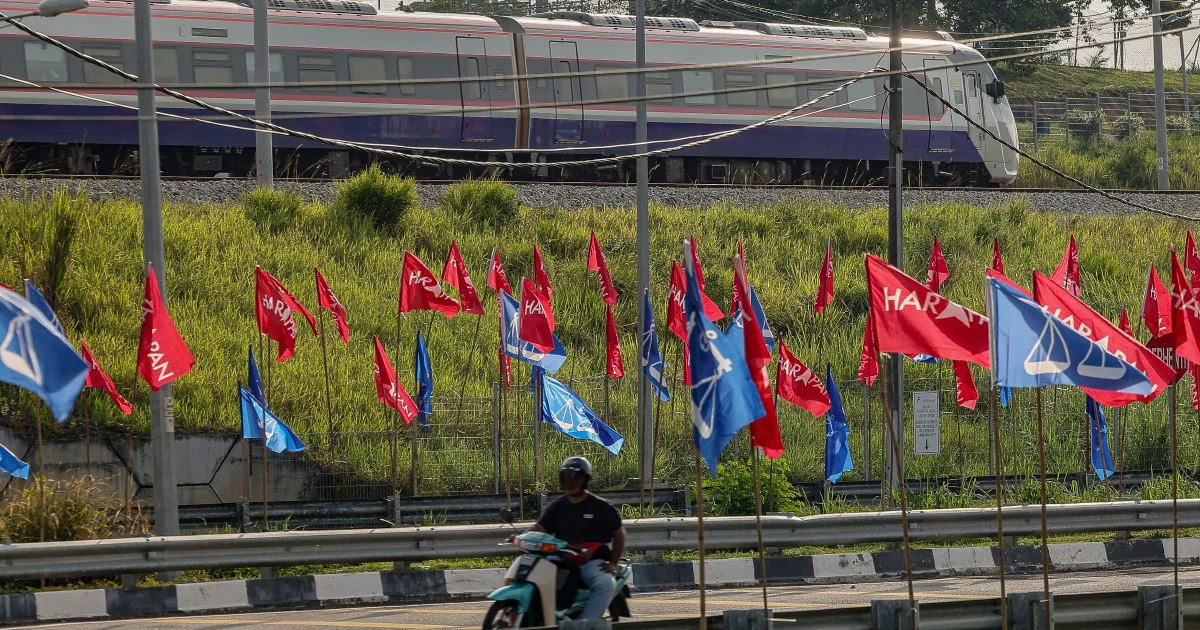
In a significant development highlighting the fluid dynamics of Malaysian coalition politics, PAS Youth has explained its decision to support Barisan Nasional candidates in selected constituencies where Perikatan Nasional is not competing. Speaking in Johor Baru, party officials characterised this electoral arrangement as a strategic imperative designed to prevent Pakatan Harapan from making gains in these critical battleground seats.
The statement underscores the complex triangular relationship between Malaysia's three major political blocs as they position themselves for upcoming electoral contests. Rather than fielding their own candidates across all constituencies, PAS Youth has opted for a coordinated approach with BN in specific areas, effectively creating a de facto electoral pact aimed at fragmenting the opposition vote. This pragmatic manoeuvre reflects a broader recognition among PN-aligned factions that splitting the anti-PH vote could inadvertently advantage the ruling coalition's opponents.
For Malaysian readers, this development carries significant implications for how coalition politics continues to reshape the country's political landscape. The willingness of PN components, particularly PAS, to work with BN in designated seats suggests that despite their ideological differences and past rivalries, both blocs view containing PH as a mutual priority. This convergence has become increasingly apparent since the 2022 general election, when the political ground shifted dramatically under the weight of urban middle-class swing voting and Malay-Muslim constituency realignment.
The PAS Youth clarification becomes particularly relevant when considering regional dynamics across Southeast Asia. Malaysia's experience of shifting coalitions, strategic vote-splitting, and the emergence of issue-based rather than purely identity-based voting patterns offers instructive lessons for neighbouring democracies grappling with similar fragmentation. The flexibility demonstrated by traditional opposition parties in adjusting their electoral strategies illustrates how competitive pressures can override longstanding factional loyalties.
Geographically, these arrangements will likely concentrate in constituencies where PN's traditional strength is weak but where both PN and BN believe they possess competitive advantages against PH. Such tactical voting arrangements require meticulous ground-level organisation and voter messaging to succeed without confusing supporters. The risk that voters may punish either BN or PN for appearing indecisive or opportunistic remains ever-present, particularly among younger, more ideologically committed supporters who view such deals as abandoning core principles.
Historically, PAS has operated across the full spectrum of coalition possibilities, from participating in both BN and subsequently Pakatan Harapan before joining PN. This latest iteration reflects the party's continued pragmatism regarding power acquisition and consolidation. Unlike ideologically rigid political movements, PAS has demonstrated remarkable ability to recalibrate partnerships based on shifting electoral realities and the distribution of state-level power. Youth wings, typically more ideologically driven than party establishments, endorsing such tactical arrangements signals that party discipline and electoral calculus have prevailed over factional objections.
The PH perspective on these developments remains crucial for understanding the broader strategic contest. Should PAS and BN successfully coordinate in key constituencies, PH's path to electoral majority becomes correspondingly narrower. Conversely, if implementation proves disorganised or if voters reject what they perceive as artificial electoral engineering, the arrangement could backfire spectacularly. The stakes are sufficiently high that all three blocs are conducting sophisticated electoral modelling to identify which constituencies warrant intensive competition and which might be conceded tactically.
Socioeconomic considerations further complicate these calculations. Constituencies with diverse voter bases spanning urban professionals, rural smallholders, and industrial workers tend to be least predictable and most contested. These exact seats represent where PN and BN appear most inclined to arrange accommodations, recognising that PH retains particular appeal among urbanised, younger, and increasingly economically marginalised segments of the electorate.
The sustainability of PN-BN cooperation, whether formalised or conducted on an ad-hoc seat-by-seat basis, ultimately depends on whether both coalitions can contain internal tensions. For BN, accepting PAS support implicitly means acknowledging PN's claim to legitimacy and relevance in Malaysian politics. For PN, coordinating with the bloc from which it initially distinguished itself requires careful messaging to avoid accusations of abandoning political principles for electoral expedience. These narrative challenges will intensify as campaign season approaches and grassroots activists encounter voters' understandable confusion about which coalition represents what.
Regionally, Malaysia's pattern of coalition fluidity and strategic realignment mirrors trends across Southeast Asian democracies where traditional party structures have weakened and cross-coalition cooperation has become common. Thailand, Indonesia, and the Philippines have all witnessed similar phenomena whereby electoral imperatives override ideological consistency. For Malaysian democratic observers, the PAS Youth statement serves as a reminder that institutional arrangements and strategic flexibility often trump programmatic coherence in competitive electoral systems.
Moving forward, the effectiveness of this PN-BN coordination will serve as a bellwether for Malaysian coalition politics. If successful in preventing PH expansion, it could crystallise into a longer-term arrangement. If it creates confusion, generates grassroots backlash, or simply proves logistically unworkable, both PN and BN will revert to more openly competitive postures. Either outcome will significantly shape Malaysia's political trajectory through the coming election cycle and beyond.

