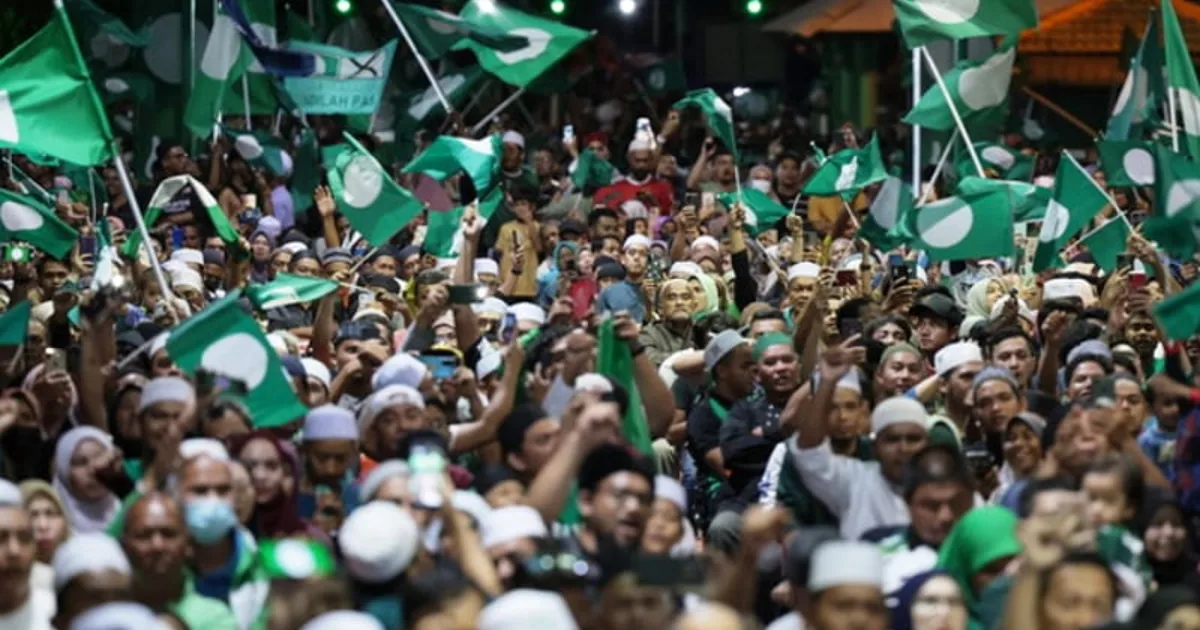
In a tactical recalibration of Perikatan Nasional's electoral positioning, the Pan-Malaysian Islamic Party has decided to redirect its campaign infrastructure and organisational resources from parliamentary seats where Bersatu candidates are competing. This strategic manoeuvre reflects an intensifying effort by the opposition coalition to optimise vote distribution and maximise collective seat gains across Malaysia's voting landscape.
The reallocation of PAS machinery represents a deliberate consolidation of ground-level campaign activity rather than a withdrawal from electoral engagement. Rather than diluting efforts across multiple constituencies, PAS intends to concentrate its considerable organisational capacity—built through decades of grassroots mobilisation—on seats where the party itself is contesting or where other Perikatan Nasional partners stand as candidates. This approach acknowledges the finite nature of campaign resources and volunteers whilst attempting to prevent counterproductive competition within the coalition.
Peviaghan Nasional emerged as a significant political force in Malaysia's 2022 electoral landscape, positioning itself as an alternative to both the ruling Pakatan Harapan coalition and the weakened Barisan Nasional alliance. The coalition comprises PAS, Bersatu, Gerakan, and other smaller component parties. However, the arrangement has frequently tested the limits of intra-coalition harmony, particularly as ambitions among member parties occasionally diverge regarding seat allocations and electoral strategy.
Bersatu, the party led by former Prime Minister Muhyiddin Yassin, has sought to expand its parliamentary footprint since its formation in 2016 from dissidents within the United Malays National Organisation. The party's seat allocation within Perikatan Nasional reflects ongoing negotiations about the coalition's future direction and which parties will lead potential government formations. By withdrawing from Bersatu-held constituencies, PAS signals acceptance of these allocations whilst simultaneously protecting its own electoral interests.
For Malaysian voters and political observers, this tactical repositioning underscores the intricate mathematics of multi-party coalition politics. Unlike systems where single parties dominate, Malaysia's landscape increasingly requires complex arrangements where coalition partners must balance competitive ambitions against collective electoral success. PAS's decision demonstrates both the discipline required to maintain such arrangements and the underlying tensions that persist beneath coalition unity.
The withdrawal of campaign machinery carries particular significance given PAS's unparalleled grassroots network, especially in peninsular Malaysia's heartland regions. The party's religious constituencies and established volunteer base have historically delivered electoral performance that outpaces many competitors. By strategically deploying rather than universally expanding this advantage, PAS acknowledges Bersatu's claim to certain territories whilst preserving maximum impact in contested battlegrounds.
Regional implications extend beyond immediate electoral calculations. Southeast Asian political analysts have monitored Malaysia's coalition dynamics as potentially indicative of broader patterns affecting opposition politics across the region. Parties navigating unstable coalitions face constant pressure between maintaining unity and pursuing partisan advantage—a tension particularly acute in Muslim-majority democracies where religious and nationalist appeals intersect with secular governance concerns.
Bersatu's position within Perikatan Nasional remains somewhat precarious given its relatively recent formation and modest parliamentary presence compared to PAS's established dominance within Islamic political space. The party has nevertheless successfully projected itself as a viable governing option, particularly by attracting former government officials and positioning itself as a moderate alternative to PAS's stricter Islamic platform. This differentiation requires its own constituency space where Bersatu can build distinct voter recognition and institutional presence.
The financial dimensions of Malaysian election campaigns also inform this strategic calculation. Campaign resources directed toward constituencies where candidates face minimal prospect of victory represent inefficient deployment that neither builds party strength nor advances coalition objectives. By concentrating PAS machinery in winnable and crucial marginal seats, the party maximises its return on organisational investment whilst enabling coalition partners to establish themselves in their designated territories.
Looking toward potential future electoral contests, this arrangement establishes a template for how Perikatan Nasional intends to project unified opposition capability despite comprising diverse components with distinct ideological emphases and support bases. The coalition's credibility as a government-in-waiting depends partly on demonstrating that internal differences can be managed through institutional cooperation rather than destructive competition. PAS's withdrawal decision, whilst ostensibly tactical, thus carries symbolic weight regarding coalition functionality.
Yet tensions remain embedded within such arrangements. Party members and supporters may perceive resource withdrawal as betrayal rather than strategic necessity. Local campaign volunteers working in Bersatu seats might experience reduced support as disappointing coalition mismanagement rather than rational optimisation. These grassroots dynamics, whilst invisible in high-level tactical analysis, ultimately determine whether coalition discipline translates into actual electoral performance.
The effectiveness of this consolidation strategy depends ultimately on execution and on whether Malaysian voters perceive Perikatan Nasional as a coherent alternative rather than merely a competing alliance of self-interested parties. PAS's willingness to concentrate rather than universalise its machinery represents a calculated bet that disciplined deployment of existing advantages outweighs opportunistic expansion across additional seats.

