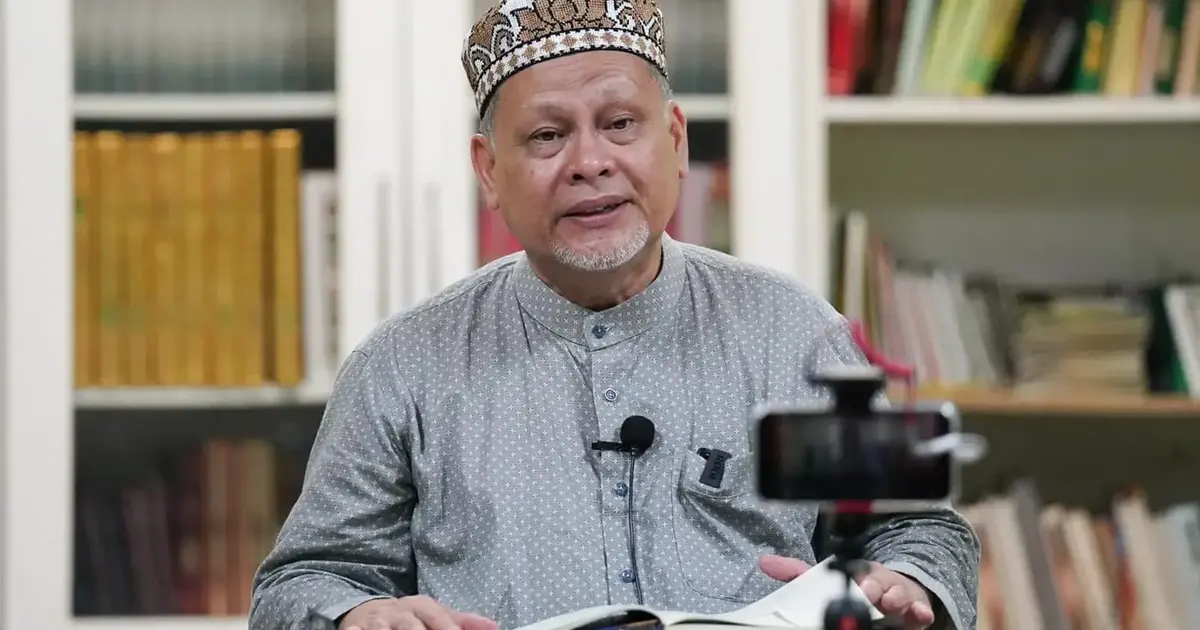
The prospect of Perikatan Nasional component parties running against each other in Negeri Sembilan elections has moved from theoretical possibility to real possibility following comments from PAS deputy president Amar Abdullah, who indicated his Islamic party would not shy away from such contests if seat-sharing negotiations fall short of expectations.
Amar Abdullah's statement underscores the fragile coordination that exists between PAS and Bersatu within the broader Perikatan Nasional alliance, suggesting that despite their nominal partnership, fundamental competing interests over territorial control in state elections remain unresolved. The Negeri Sembilan state assembly elections, which determine control of one of Malaysia's smallest state legislatures, have become a flashpoint for these internal alliance tensions.
The backdrop to this standoff involves the perpetual challenge facing multi-party coalitions in Malaysia: managing the ambitions of partners with overlapping electoral bases and divergent strategic priorities. Both PAS and Bersatu seek to maximise their state representation and political influence, yet the total number of contested seats in Negeri Sembilan remains fixed. This structural limitation means that accommodating both parties' expansion aspirations often proves impossible without one accepting reduced opportunities.
For PAS, which has experienced significant electoral growth particularly in rural Malay-majority areas, the prospect of defending gains and expanding further holds considerable appeal. The party views itself as the principal vehicle for Malay-Muslim political representation in the state and resists ceding potentially winnable seats to Bersatu, which operates from a different strategic foundation centred on former Prime Minister Muhyiddin Yassin's political machinery.
Bersatu's position reflects the complexities of a newer political entity attempting to establish firm roots across Malaysia's federal system. The party entered the 2022 elections as part of Perikatan Nasional but now faces the challenging task of sustaining relevance while competing for the same voter demographic that PAS actively cultivates. For Bersatu, contesting seats where it lacks strong grassroots organisation could prove costly, yet ceding too much ground to PAS risks reducing the party to a peripheral player in state politics.
Amar Abdullah's willingness to articulate that PAS would contest despite potential intra-alliance friction reveals several strategic calculations. First, it signals to party members and supporters that PAS leadership prioritises party interests over abstract notions of coalition loyalty, a posture that strengthens internal party cohesion during election periods. Second, it constitutes a negotiating position, essentially informing Bersatu that PAS has a walkaway option if seat allocations prove unacceptable. Third, it demonstrates confidence that PAS could win direct contests, suggesting electoral strength sufficient to justify such confrontational positioning.
The regional implications extend beyond Negeri Sembilan's relatively modest electoral significance. How Perikatan Nasional manages internal tensions in state elections influences the coalition's stability at federal level, where PAS and Bersatu sit in the Dewan Rakyat and maintain considerable influence over government stability. Any deterioration in relations between these parties could destabilise the current parliamentary arithmetic and trigger unpredictable political realignments.
For Negeri Sembilan voters, intra-coalition competition could prove advantageous if it translates into more vigorous campaigning and candidate scrutiny. However, it also risks fragmenting the opposition vote in certain constituencies, potentially benefiting other coalitions like Pakatan Harapan depending on boundary configurations and demographic composition. The state's politically marginal character—it has swung between different governing coalitions in recent elections—makes every seat potentially decisive.
Historically, such cooperation challenges have forced Malaysian coalitions toward formal seat-allocation mechanisms established well before campaign periods. That Amar Abdullah felt compelled to publicly articulate PAS's preparedness for direct competition suggests that behind-the-scenes negotiations may be proceeding poorly or remain incomplete. Clear disagreement over seat boundaries could force either a negotiated resolution or a uncomfortable situation where allies publicly contest, damaging coalition coherence.
The timing of these comments also merits consideration within broader Perikatan Nasional trajectory. The coalition has experienced periodic strains following the 2022 federal elections, with questions about its sustainability and direction. Leadership divisions and strategic disagreements have occasionally surfaced. Negeri Sembilan therefore becomes a test case for whether the coalition can manage internal competition constructively or whether electoral pressures will expose fundamental incompatibilities between component parties.
Moving forward, stakeholders across Malaysian politics will observe whether Perikatan Nasional leadership—presumably Muhyiddin Yassin in his capacity as chair—can broker acceptable compromises that preserve coalition unity while accommodating both PAS and Bersatu's political ambitions. The alternative scenario, where both parties campaign independently, would effectively dismantle Perikatan Nasional's presence in Negeri Sembilan and potentially signal deeper organisational problems within the coalition.

