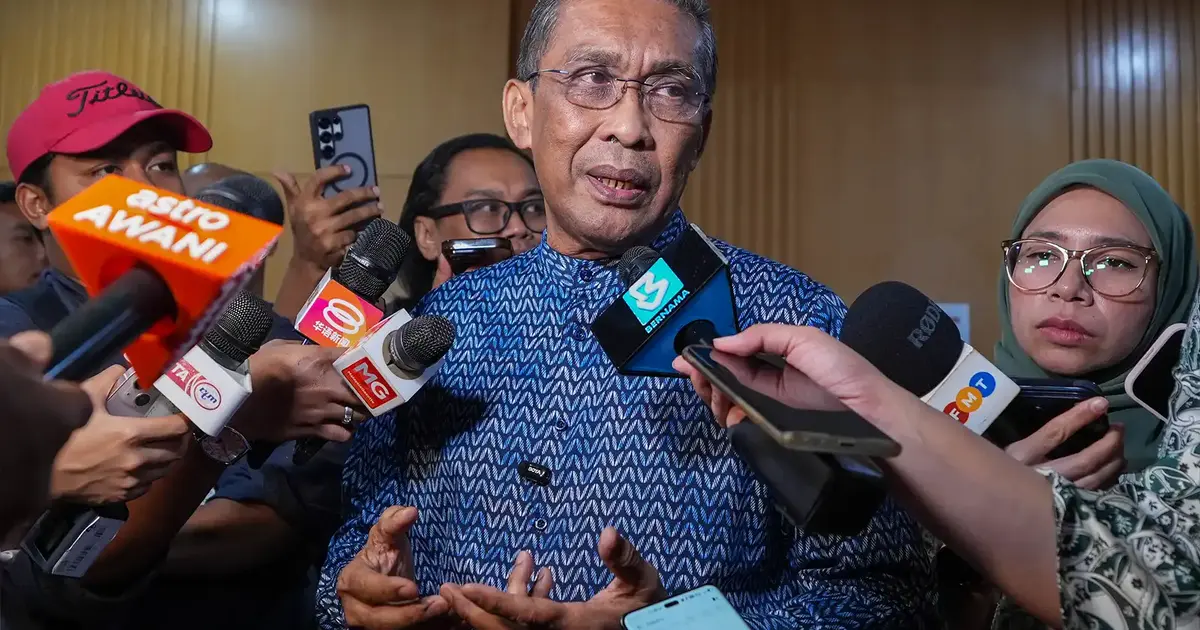
PAS will bring forward a formal motion concerning its relationship and operational cooperation with Umno when party delegates convene at the muktamar, according to the party's secretary-general Takiyuddin Hassan. The motion is poised to spark considerable debate within the party assembly, offering an opportunity for grassroots members to weigh in on the strategic alliance that has defined Malaysian Islamic politics over the past several years.
The decision to table the motion reflects the internal discourse occurring within PAS regarding its political direction and partnership strategies. By formalising this matter for broader delegate consideration rather than handling it purely through party leadership channels, PAS demonstrates a commitment to participatory decision-making among its membership base. This approach allows various factions within the party to express their perspectives on the depth and trajectory of collaboration with Umno.
Muslim unity emerged as a thematic emphasis within the muktamar agenda, according to Takiyuddin's statements. This positioning reflects contemporary concerns across Malaysia's Islamic political landscape, where questions of representation, coordination, and common purpose among Muslim-based parties continue to shape electoral dynamics and governance frameworks. The inclusion of this theme suggests party delegates will contemplate how PAS can best advance Islamic interests while navigating competitive political pressures.
The cooperation between PAS and Umno, formally structured through Perikatan Nasional and preceding electoral pacts, has been central to Malaysian political developments. Both parties have invested significantly in joint campaigns and policy alignment, particularly following the 2018 general election when their collaboration reshaped the nation's political landscape. The motion's presentation provides a mechanism for evaluating whether this partnership continues serving the interests of both organisations and their combined voter base.
For PAS delegates, the motion represents more than procedural formality. It constitutes an opportunity to assess whether the Umno partnership delivers meaningful influence over Islamic policy implementation at federal and state levels. Concerns periodically surface regarding resource allocation, ministerial appointments, and whether Islamic agenda items receive prioritised attention within coalition governments where both parties hold portfolios.
Umno's perspective on the proposed motion remains significant. The larger coalition partner, facing its own internal challenges and regeneration efforts under current leadership, will likely welcome PAS endorsement of continued cooperation. Such validation from the party assembly reinforces coalition stability at a moment when Malaysian politics remains fluid, with potential shifts in parliamentary alignments.
The muktamar setting itself carries symbolic weight within PAS's organisational culture. These party assemblies function as key occasions when the grassroots membership exercises influence, when party direction receives public articulation, and when delegates debate policy positions that cascade outward into electoral strategy. Televised proceedings allow the broader Malaysian public and international observers to assess party consensus and leadership effectiveness.
Muslim unity as a muktamar theme must be contextualised within contemporary Malaysian religious and political dynamics. Competition between PAS and other Malay-Muslim parties, demographic shifts in voting behaviour, and competing visions for Islamic governance within democratic frameworks all influence how delegates might discuss this topic. The phrase carries different resonances for different party members—some may interpret it as deepening ties with Umno, while others might envision broader coordination across multiple Islamic political organisations.
The outcomes of these debates will signal PAS's strategic confidence in its Umno partnership moving forward. A strong delegate mandate for continued cooperation would strengthen Takiyuddin's negotiating position in future coalition discussions. Conversely, significant delegate reservations would compel leadership to address grassroots concerns about the partnership's tangible benefits and ideological alignment.
Regionally, PAS's partnership decisions carry implications beyond Malaysia. The party's positioning influences how Malay-Muslim political movements approach governance in an era of rising religious consciousness across Southeast Asia. Other parties in the region monitor how established Islamic political organisations balance principle with pragmatic alliance-building.
The muktamar will also reveal intergenerational attitudes within PAS membership. Younger delegates may assess the Umno partnership differently than established party stalwarts, reflecting broader questions about whether traditional coalition frameworks remain optimal for advancing Islamic interests in Malaysia's evolving political economy.
Timely passage or robust endorsement of the cooperation motion would provide PAS leadership with renewed mandate to pursue partnership initiatives. Such validation becomes particularly valuable as the party navigates questions about representation in cabinet positions, allocation of electoral seats in forthcoming general elections, and joint policy development across multiple governance levels.
Ultimately, the motion represents a moment when PAS party democracy intersects with Malaysia's broader political architecture. The delegates' deliberations will illuminate how grassroots Islamic party members view the strategic landscape and whether they believe current partnerships serve their political objectives and religious aspirations.

