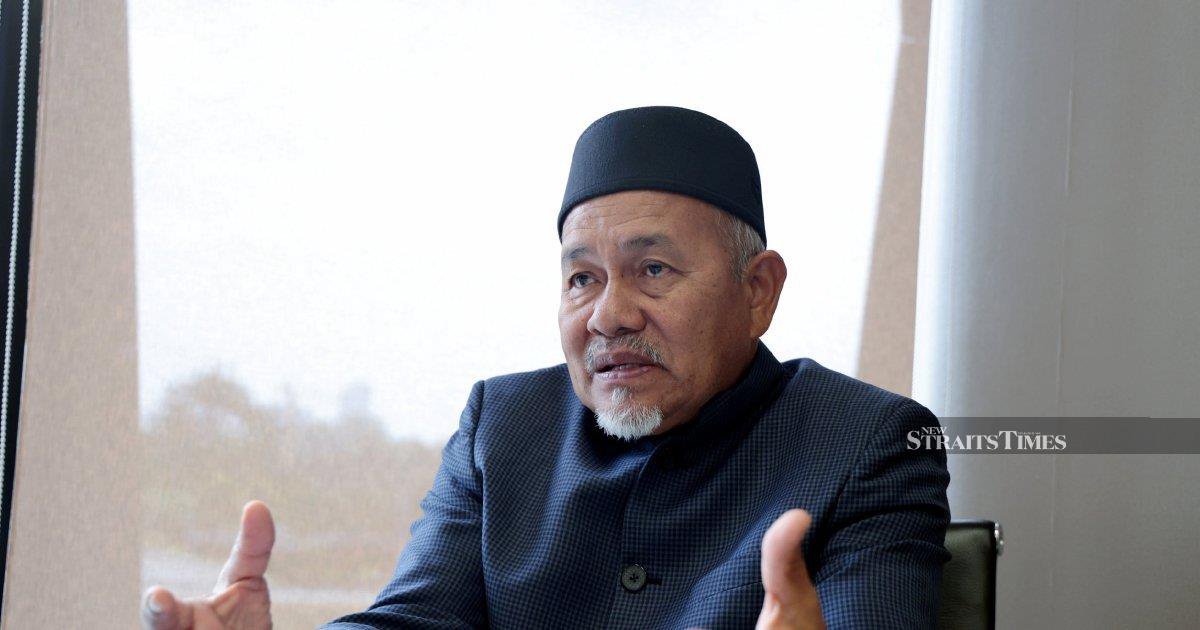
The Malaysian Islamic Party has expressed willingness to explore expanding its cooperation framework with the Barisan Nasional bloc at the national level, opening potential pathways for deepening their Perikatan Nasional alliance in ways that could reshape political dynamics across multiple state and federal constituencies. The development signals evolving conversations within Malaysia's complex coalition landscape as parties reassess strategic partnerships beyond their current operational boundaries.
The proposition centres on extending arrangements already tested in the Negri Sembilan electoral contest, which demonstrated one model for how the two coalitions might coordinate their political efforts. This precedent from the smaller east-coast state has evidently impressed party strategists, who now see potential in applying similar coordination mechanisms to the mineral-rich state of Melaka and, more significantly, to federal-level governance. The suggestion implies that what worked in one regional context might prove replicable in larger political arenas with more complex stakeholder interests.
Melaka holds particular strategic significance in this calculus. The state has oscillated between different political configurations in recent years, and any formalised cooperation between PN and BN could reshape its political trajectory. For Malaysian observers, the interest in Melaka reflects broader repositioning as established parties seek new coalitional arrangements. The state's relatively smaller population compared to peninsula powerhouses like Selangor or Perak makes it an ideal testing ground for refined alliance models before potential implementation elsewhere.
The federal level implications are far more consequential. Any formal extension of PN-BN cooperation at the national tier would represent a fundamental recalibration of Malaysia's governing architecture. Currently, the federal government operates under a specific coalition arrangement, and introducing formal PN-BN frameworks into this structure could reshape parliamentary dynamics, ministerial portfolios, and policy priorities. For businesses, investors, and ordinary Malaysians, such shifts carry tangible consequences affecting governance stability and policy direction.
For PAS specifically, the openness to discussions reflects the party's pragmatic approach to political positioning. As the largest component of Perikatan Nasional, the Islamic party wields significant leverage in any broader negotiations. Its stated willingness to engage at the national level—rather than dismissing the idea outright—suggests sophisticated calculation about optimal coalition configurations and the party's expanding political influence. The party appears to be signalling that it regards such conversations as legitimate strategic considerations rather than taboo territory.
The historical context matters considerably here. Malaysia's political landscape has witnessed repeated coalition reconfiguration, with partners shifting allegiances and structures adapting to new electoral mathematics and demographic changes. However, formal institutionalisation of PN-BN cooperation at the federal level would represent something more entrenched than these previous tactical adjustments. It would signal intention toward longer-term structural integration rather than temporary convenience.
Southeast Asian observers monitoring Malaysian politics will recognise familiar patterns of coalition management, yet the specific mechanics here warrant attention. The region's established democracies regularly experience coalition negotiations, but Malaysia's particular blend of ethnic politics, religious considerations, and institutional complexity makes any major realignment noteworthy. How PAS, Barisan Nasional components, and other political actors navigate these discussions will offer insights into Malaysia's evolving political maturity and capacity for managing diverse interests within democratic frameworks.
The Negri Sembilan model that forms the basis for these discussions warrants closer examination for Malaysian readers. That election demonstrated concrete possibilities for how rival coalitions might cooperate operationally while maintaining distinct identities and ideological positions. Whether that cooperation was rooted in genuine policy alignment or primarily tactical convenience remains a question, but its apparent success has evidently encouraged replication discussions. The mechanics of such cooperation—how candidates are selected, how resources are allocated, how policy disagreements are managed—become increasingly important as the scope of proposed partnership expands.
For Malaysia's business community and foreign investors, coalition stability ranks among paramount concerns. Uncertainty about governance structures and policy continuity affects investment decisions, project planning, and economic forecasting. Any formal PN-BN integration would require careful communication about how such arrangements affect policy implementation, particularly regarding economic portfolios, international trade relationships, and regulatory frameworks. Business leaders will be monitoring whether these discussions translate into concrete policy frameworks or remain exploratory.
The timing of these signals also merits consideration. Malaysian politics currently operates against backgrounds of economic challenges, international scrutiny over governance and transparency, and evolving social expectations about political conduct. Within this context, discussions about deepening coalition cooperation could be framed as attempts to build more stable governance structures—or alternatively, as efforts to concentrate power among fewer actors. How different stakeholders interpret these developments will shape their political responses and influence whether proposed expansions gain traction.
The next phase of these discussions will likely involve detailed conversations among party leadership about specific terms, power-sharing arrangements, and policy coordination mechanisms. These negotiations will be considerably more complex at the federal level than in state contexts, involving more stakeholders, broader policy implications, and greater scrutiny from opposition actors and civil society. Whether PAS's stated openness translates into actual agreement will depend on whether concrete arrangements can satisfy legitimate interests of all parties involved while maintaining sufficient political space for each coalition component to preserve distinct identity and support base.

