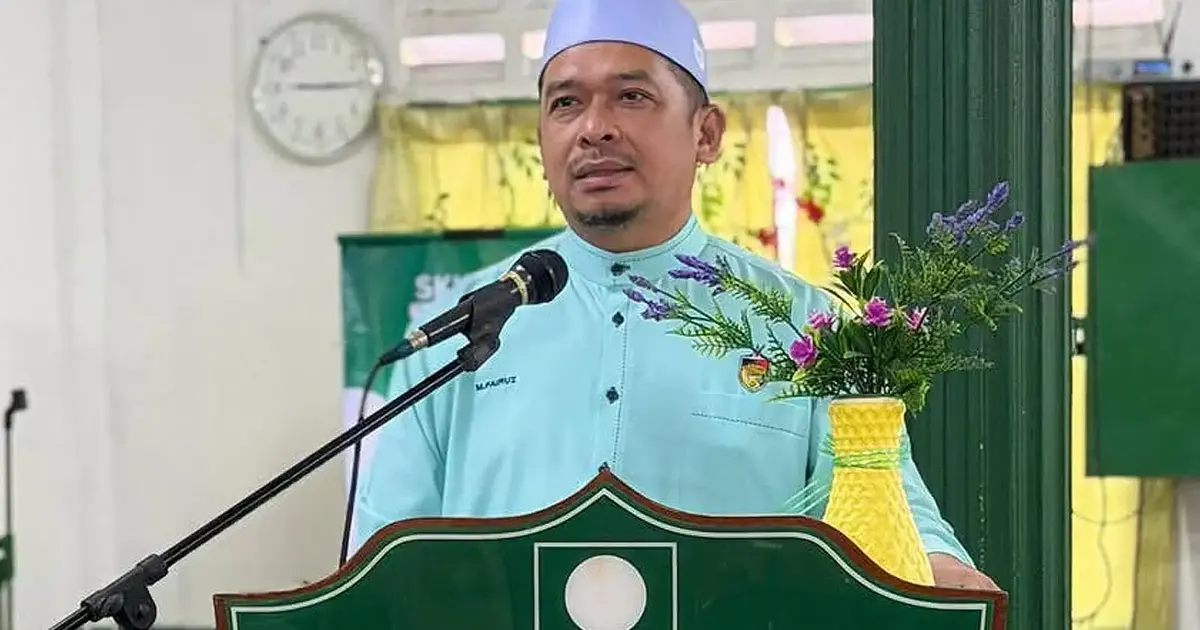
PAS has announced an aggressive electoral strategy for the Negeri Sembilan state polls, setting its sights on constituencies currently dominated by the Democratic Action Party. State party chief Fairuz Isa revealed that the Islamic party intends to contest in DAP-held seats, particularly those where Malay voters represent at least 40% of the registered electorate. This targeting approach signals PAS's confidence in mobilising support within mixed-demographic constituencies where the party believes it can make significant electoral gains.
The move reflects broader patterns of political competition in Malaysia's state legislatures, where traditional party strongholds have become increasingly vulnerable to challenge. Negeri Sembilan has historically been contested ground between competing political coalitions, and the Malay-Muslim electorate has emerged as a crucial swing vote in numerous constituencies. By focusing on areas with substantial Malay populations, PAS appears to be adopting a precision-based campaign strategy rather than attempting blanket contests across all available seats.
DAP's traditional fortress seats in the peninsula have faced mounting pressure in recent election cycles from both PAS and other Malay-centric parties. The party's Chinese-majority voter base has provided stable electoral foundations in urban centres, but constituencies with mixed or significant Malay populations present genuine vulnerability. The electoral demography that PAS has identified—areas where Malays comprise 40% of voters—represents precisely the battleground where religious and identity-based messaging can resonate most effectively.
Fairuz Isa's public declaration of this targeting strategy carries strategic implications beyond mere seat allocation. It signals PAS's ambitions to expand beyond its traditional support bases and contest for power in state governments previously dominated by secular-oriented political coalitions. This expansion agenda has gained momentum particularly following PAS's performance in recent federal and state elections, where the party demonstrated capacity to mobilise voters in previously unpredictable constituencies.
The Negeri Sembilan state assembly comprises 36 seats, making it a mid-sized legislature where controlling a clear majority remains competitive and achievable for determined political coalitions. The state's voter composition—with Malay Muslims forming the largest demographic segment—provides organisational opportunities for PAS to expand its presence through both direct contests and coalition arrangements. The party's explicit acknowledgement of its targeting strategy indicates confidence in translating electoral data and demographic analysis into concrete electoral outcomes.
For DAP, this development underscores the ongoing challenge of maintaining incumbent positions in constituencies where Malay voters comprise plurality or near-majority proportions. The party's traditional coalition partners, now realigned across different political configurations, may not provide the same level of support consolidation that proved effective in previous election cycles. Defending seats in mixed-demographic areas requires different engagement strategies than consolidating support among predominantly urban, Chinese-majority electorates.
The broader context for PAS's strategy extends beyond Negeri Sembilan alone. Across Malaysia, political parties increasingly employ sophisticated demographic analysis to identify winnable constituencies and allocate limited campaign resources efficiently. PAS's focus on the 40% Malay voter threshold suggests the party has conducted detailed electoral mapping and believes this demographic composition represents an optimal targeting window—sufficient Malay population to form a winning coalition while allowing for cross-community appeal where necessary.
Negeri Sembilan's political significance has grown over recent election cycles as the state government has become a genuine competitive arena rather than a predetermined outcome. The state's location in the Klang Valley economic region and its role in broader Selangor-Kuala Lumpur metropolitan dynamics add economic and administrative weight to state-level politics. Control of the state legislature influences not only direct governance but also coalition positioning for future federal arrangements.
From a regional perspective, the Negeri Sembilan contest foreshadows potential shifts in how Malaysian political parties approach electoral competition in mixed-demographic constituencies. The explicit demographic targeting that PAS has articulated may encourage other parties to adopt similarly detailed analytical approaches to seat selection and campaign resource allocation. This trend towards data-driven electoral strategy reflects maturation in political campaign management across Malaysian political parties, mirroring international trends in competitive democracies.
The success of PAS's strategy will ultimately depend on execution and voter response during actual campaigning. While demographic composition provides electoral opportunity, converting potential support into actual votes requires effective ground organisation, message resonance, and operational capacity. DAP's incumbency advantage, established constituency infrastructure, and existing voter relationships provide counter-advantages that PAS must overcome through aggressive campaigning and distinctive appeals.
For Malaysian voters and observers of state-level politics, the Negeri Sembilan contest will serve as an important indicator of whether PAS can effectively translate demographic targeting into electoral victories. The outcome will inform broader strategic calculations for upcoming electoral contests, including potential state elections in other territories. The explicit acknowledgement of strategy by Fairuz Isa also demonstrates the increasing transparency with which Malaysian political parties discuss their electoral planning, reflecting growing political sophistication among both political operatives and the voting public.