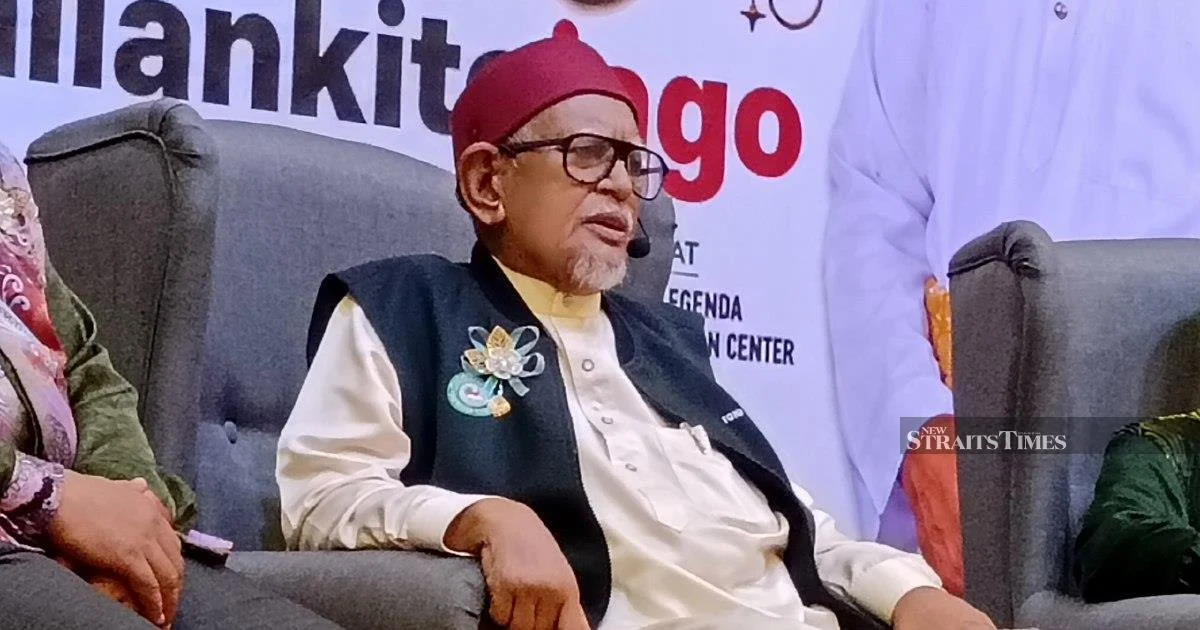
The Islamist party PAS appears poised to support an Umno-led administration in Negri Sembilan, provided that ongoing negotiations between the two parties yield a comprehensive coalition framework for the state election scheduled for August 1. This strategic positioning marks a significant development in the evolving political landscape of the state, where both parties have recognised the value of moving beyond competitive politics towards a unified front.
The willingness to cede the chief ministerial post represents a notable shift in PAS's electoral calculations for the peninsular state. Historically, the party has sought to consolidate its hold on senior executive positions in states where it commands influence. However, the current negotiating stance suggests that PAS views seat allocation and overall legislative strength as more immediately valuable than controlling the menteri besar office, particularly in a state where Umno traditionally held substantial ground support.
This accommodation strategy carries important implications for how Malay-Muslim political coalitions are reshaping themselves across Malaysia. The Negri Sembilan situation reflects broader efforts by PAS and Umno to transcend their documented tensions and present voters with a united alternative to Pakatan Harapan. Rather than field competing candidates who might split the conservative vote, the two parties are exploring how power can be shared in ways that respect each organisation's organisational strengths and territorial advantage.
The ongoing seat negotiations are critically important because Negri Sembilan's relatively modest assembly size means that every constituency carries substantial weight in determining overall control. The state legislature consists of 36 seats, making careful arithmetic essential for any coalition hoping to govern. PAS's flexibility on the menteri besar candidacy becomes more comprehensible when understood as a willingness to trade high-profile positions for concrete seats where the party can field strong local candidates and maintain grassroots representation.
For Umno, the prospect of leading a state government carries its own significance. The party has faced considerable electoral headwinds in recent years, making Negri Sembilan a crucial opportunity to demonstrate renewed electoral appeal and administrative competence at the state level. A menteri besar drawn from Umno's ranks would provide the party with a visible platform to showcase governance and restore confidence among members who have grown frustrated with opposition status.
The timing of these discussions matters significantly. With the election set for August 1, both parties face diminishing windows to finalise their approach and present unified campaign messaging to voters. Drawn-out negotiations risk creating the impression of internal disarray, whereas expeditious agreement allows both organisations to move forward with coherent candidate lists and coordinated campaign themes. The urgency of the calendar has likely concentrated minds on reaching practical compromises.
PAS's apparent pragmatism on the menteri besar question does not suggest the party is retreating from Negri Sembilan politics. Rather, it indicates a more sophisticated understanding of how to maximise overall influence through legislative representation while allowing Umno to occupy the chief executive chair. Such arrangements are common in coalition politics internationally, where junior partners accept lower-ranking or symbolic positions in exchange for substantive legislative power and policy influence in their preferred portfolio areas.
The outcome of these negotiations will reverberate across Malaysian politics more broadly. Other states where PAS holds reasonable strength may look to the Negri Sembilan model as a blueprint for coalition arrangements with Umno or other Barisan Nasional component parties. Similarly, Pakatan Harapan will be monitoring how effectively PAS and Umno can work together, as any successful collaboration in Negri Sembilan might presage similar alignments elsewhere that could threaten Pakatan's electoral position.
For Negri Sembilan voters, the significance lies in understanding that they face a genuinely altered choice landscape. Rather than contests between PAS and Umno candidates splitting the Malay-Muslim vote, or those two parties competing separately against Pakatan Harapan, voters will encounter a pre-negotiated coalition arrangement that promises unified governance structures. This shift toward settled political arrangements rather than competitive pluralism represents a substantive change in how the state's electoral contest will actually unfold on voting day.
The flexibility demonstrated by PAS regarding the menteri besar position also suggests that both parties recognise the electorate's complex demands. Voters increasingly expect efficient governance, clear policy programmes, and coherent leadership rather than factional jockeying and competitive posturing within broadly similar political families. By positioning themselves as a united coalition rather than rival forces, PAS and Umno are attempting to present themselves as focused on delivery and practical governance.
These negotiations underscore how Malaysian coalition politics continues evolving beyond the simple binary of Barisan Nasional versus Pakatan Harapan. The rise of PAS as an independent political force with its own agenda, separate from but potentially aligned with Umno, has created new possibilities for power-sharing arrangements that previous political generations did not contemplate. Negri Sembilan may well become a case study in how diverse political actors navigate cooperation while preserving organisational autonomy.
The August 1 election will ultimately test whether PAS and Umno can genuinely translate negotiating flexibility into electoral success. Voters must be convinced that the coalition arrangement represents genuine commitment to cooperative governance rather than mere tactical positioning. How effectively both parties communicate this message, and whether ground-level party workers embrace the coalition framework, will largely determine whether their willingness to compromise at the leadership level translates into electoral gain.

