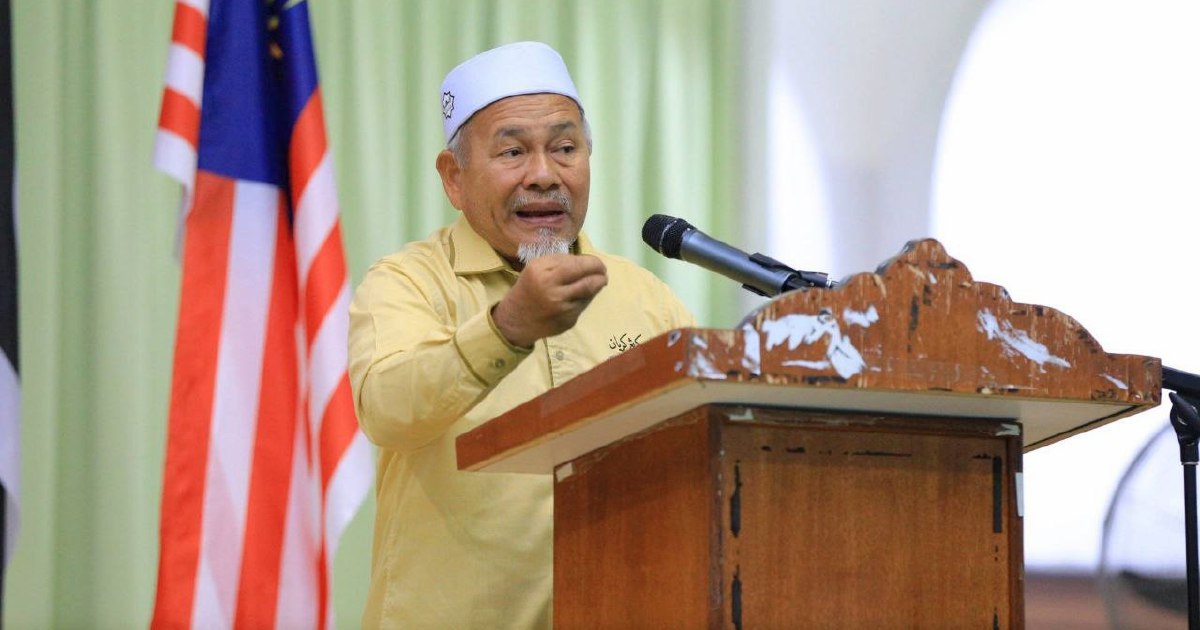
PAS has indicated a readiness to engage in discussions with UMNO regarding the redistribution of parliamentary and state assembly seats currently held by the Islamic party in upcoming electoral contests, according to remarks made by deputy president Datuk Seri Tuan Ibrahim Tuan Man in Temerloh. The willingness to explore such arrangements marks a pragmatic approach to coalition management within Malaysia's ruling Barisan Nasional alliance, though any final agreement will hinge upon conditions PAS intends to articulate during negotiations.
The prospect of seat swaps between PAS and UMNO carries significant implications for political dynamics across several states where both parties maintain competing claims to parliamentary and state assembly constituencies. Such arrangements would involve either party vacating seats to allow the other to contest unopposed by coalition partners, a tactical manoeuvre commonly employed by aligned political organisations seeking to maximise combined electoral performance. For Malaysian voters in affected constituencies, this could mean substantial changes to the political representation landscape as campaign dynamics shift.
Historically, seat-sharing agreements between PAS and UMNO have proven contentious, reflecting underlying tensions rooted in competing religious and developmental philosophies within the Malay-Muslim political spectrum. UMNO's secular-nationalist approach to governance often conflicts with PAS's more explicitly Islamic policy platform, creating friction that periodically erupts into public disagreement. Yet both parties recognise the electoral arithmetic advantage of avoiding three-cornered contests where opposition candidates might capitalise on split votes within the coalition's support base.
The significance of this overture from PAS cannot be understood without examining Temerloh's specific electoral context, where historical voting patterns and demographic composition have historically favoured particular candidates and party configurations. Datuk Seri Tuan Ibrahim's remarks, delivered from this particular constituency, suggest deliberate positioning on PAS's part to signal flexibility and coalition commitment during a period when inter-party relations within Barisan Nasional require careful calibration.
Conditions attached to PAS's apparent openness remain unspecified in the deputy president's initial statement, though historically such qualifications typically involve guarantees regarding the proportion of winnable seats retained by PAS, assurances about candidate selection processes, or commitments to resource allocation for campaign machinery. The absence of publicly articulated terms at this juncture suggests ongoing internal discussions within PAS leadership regarding negotiating parameters, a process that will likely extend through coming weeks as the electoral timeline becomes clearer.
For UMNO, any seat-swapping arrangement represents both opportunity and risk. Acquiring additional constituencies through such arrangements could enhance the party's parliamentary representation, critical given demographic and voter preference shifts witnessed across Malaysia in recent election cycles. Conversely, ceding strongly-held seats to PAS might be perceived by UMNO's support base as capitulation, potentially energising internal party critics who already question the coalition's structure and resource distribution.
The timing of PAS's signal carries additional strategic weight, arriving as political parties across Malaysia undertake preliminary preparations for elections whose precise scheduling remains undefined. By publicly demonstrating flexibility before formal negotiations commence, PAS establishes a cooperative posture that may yield negotiating advantages in subsequent detailed discussions. This preemptive stance also counters potential criticism from party members who might worry about PAS's influence within Barisan Nasional if such arrangements proceed.
Regional observers tracking Southeast Asian coalition politics will note that seat-sharing arrangements operate as crucial maintenance mechanisms within multi-party systems where electoral victory requires sustained alliance cohesion. Malaysia's experience demonstrates both the necessity and difficulty of such arrangements, particularly where coalition partners maintain distinct ideological foundations and compete for overlapping voter constituencies. How PAS and UMNO navigate forthcoming negotiations will consequently reverberate beyond Temerloh, setting precedents that other partnership configurations within Barisan Nasional will likely scrutinise.
For voters in constituencies potentially affected by seat-swapping outcomes, the implications warrant close attention. Changes in candidate affiliation and campaign positioning inevitably alter the substantive policy conversations within electoral contests, as different parties emphasise distinct priorities. PAS-held seats might witness shifting emphasis toward religious and moral governance themes, whilst UMNO-contested constituencies could see heightened focus on economic development and security narratives.
The path forward requires substantive dialogue between senior leadership from both PAS and UMNO, discussions that will weigh competing interests against the broader imperative of maintaining coalition unity. Datuk Seri Tuan Ibrahim's Temerloh statement essentially opens negotiating windows rather than finalising arrangements, inviting UMNO to engage seriously in discussions about mutually beneficial seat reconfigurations. Success in these negotiations will substantially influence the electoral landscape that Malaysian voters encounter in forthcoming polling periods.

