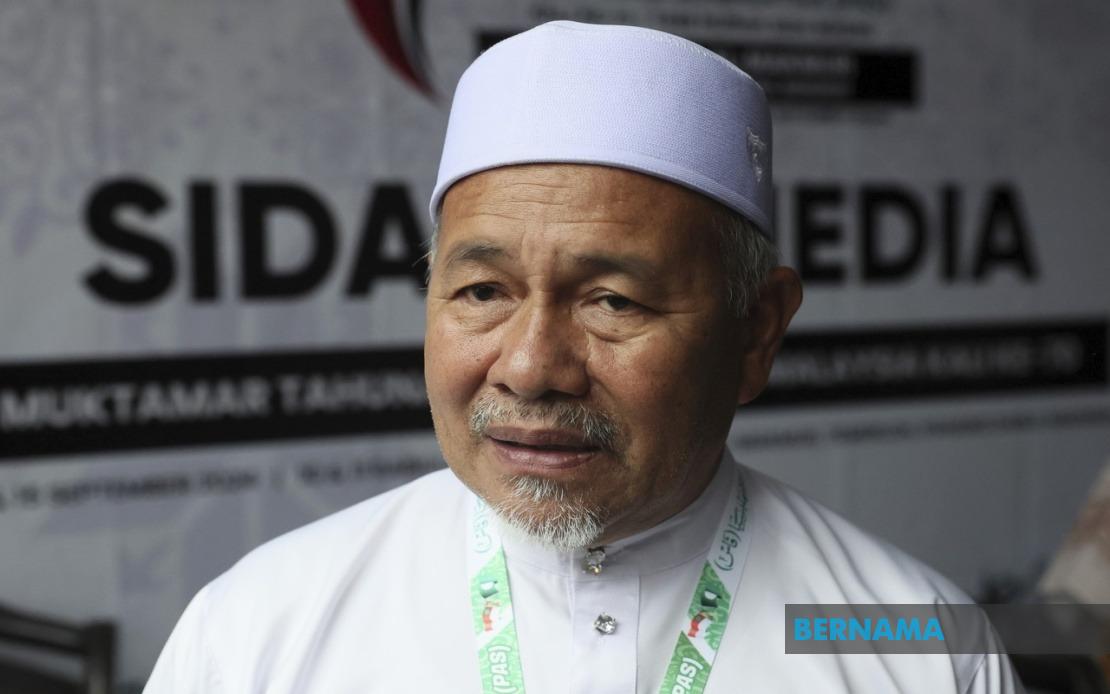
The Pan-Malaysian Islamic Party has intensified pressure for the domestic prosecution of fugitive financier Low Taek Jho, commonly known as Jho Low, arguing that Malaysia's legal system should take precedence in holding him accountable for the massive 1Malaysia Development Berhad financial scandal. Speaking at a party function in Kota Bharu, PAS deputy president Datuk Seri Tuan Ibrahim Tuan Man underscored the importance of bringing the wanted businessman before Malaysian courts, insisting that the nation's independent judiciary need not defer to foreign legal outcomes or diplomatic considerations.
Tuan Ibrahim's remarks carry particular weight given ongoing international speculation about a potential presidential pardon. Reports emerged that Jho Low featured among approximately 250 individuals being evaluated for clemency by United States President Donald Trump, reportedly as part of commemorations marking the 250th anniversary of American independence. The possibility of a pardon has raised concerns among Malaysian officials that the fugitive could escape accountability for his alleged role in one of the world's most significant financial frauds.
The PAS leader's position reflects a broader Malaysian determination to pursue justice domestically. He emphasised that Malaysia possesses sovereign legal authority and should not be constrained by decisions emanating from Washington or other foreign capitals. This assertion of judicial independence underscores a philosophical divide about where accountability for the 1MDB scandal should ultimately rest, with Malaysian authorities increasingly vocal about their preference to conduct proceedings within their own courts rather than relying on external prosecution efforts.
Jho Low's alleged orchestration of the 1MDB scheme resulted in staggering financial losses for Malaysia. The development fund, which was supposed to advance domestic economic interests, instead became a vehicle for massive embezzlement and money laundering operations that drained billions in state resources. The breadth of the scheme's impact on Malaysia's economy and national reputation provides the legal and moral foundation for Tuan Ibrahim's insistence that Malaysian courts should be the primary venue for justice.
The deputy president called upon authorities to accelerate the legal machinery necessary to secure Jho Low's extradition and subsequent prosecution. This appeal for expedited proceedings reflects growing impatience with the length and complexity of international legal proceedings. Each year of delay represents not only a potential avenue for the fugitive to further evade justice but also a psychological burden on Malaysian citizens who view the unresolved case as emblematic of unaccountable corruption at the highest levels of government and finance.
Prime Minister Datuk Seri Anwar Ibrahim had previously reaffirmed Malaysia's commitment to pursuing legal action against Jho Low, specifically addressing concerns that a US pardon could derail justice. His statement served as official reassurance that the government would not be deterred by international developments or the possibility of clemency granted elsewhere. The Prime Minister's public stance aligns with Tuan Ibrahim's position, suggesting broad political consensus that Malaysia must maintain its prosecutorial resolve.
The 1MDB scandal carries profound implications beyond Malaysia's borders. The scheme involved an intricate web of international money flows, shell companies, and financial instruments that traversed multiple jurisdictions. Malaysia's determination to prosecute Jho Low domestically sends a signal to other nations and to global financial regulators that sophisticated schemes originating in or directly harming Malaysian interests will be pursued with determination through local legal institutions. This assertion of jurisdiction helps establish Malaysia's credibility in combating financial crime and corruption.
Jho Low's continued fugitive status remains a source of diplomatic tension and institutional frustration. The businessman's ability to evade capture despite global law enforcement cooperation has underscored weaknesses in international extradition mechanisms and highlighted how wealth and connections can facilitate escape from accountability. His case has become symbolic of broader struggles by developing nations to pursue their nationals and foreign actors through collaborative international legal frameworks that often privilege powerful nations' interests.
The question of whether Jho Low faces trial in Malaysia, the United States, or elsewhere carries significance for how accountability is distributed in transnational financial crimes. Malaysian authorities' insistence on domestic prosecution reflects the principle that nations whose citizens and treasuries suffer most from wrongdoing deserve primary jurisdiction. This position also resonates with Malaysian public sentiment, as citizens have directly experienced the consequences of the 1MDB fraud through reduced public investment, economic stagnation, and erosion of institutional trust.
Tuan Ibrahim's remarks also implicitly question the fairness and adequacy of foreign prosecution from Malaysia's perspective. While US authorities have pursued related charges against some individuals connected to the scheme, Malaysian officials maintain that only domestic courts can fully address the scandal's complete scope and impact. This distinction matters because Malaysian law and judges possess unique contextual understanding of how the fraud unfolded within the country's political and administrative systems, knowledge that would be invaluable to comprehensive justice.
The broader context of Malaysian politics cannot be separated from the 1MDB case. The scandal fundamentally damaged the previous administration's credibility and contributed to Malaysia's political realignment. Current leaders, including Anwar Ibrahim, have positioned themselves as champions of anti-corruption reform, making the resolution of the Jho Low case a test of their commitment to accountability. Tuan Ibrahim's public intervention represents PAS's assertion that diverse political movements within Malaysia share commitment to this justice objective.
Looking forward, the challenge facing Malaysian authorities involves navigating complex international legal terrain while maintaining domestic prosecutorial momentum. Securing Jho Low's extradition from whatever jurisdiction currently shields him requires sustained diplomatic pressure, strengthened bilateral legal cooperation, and potentially enhanced international law enforcement coordination. The government's stated determination suggests resources will be dedicated to this objective, though Jho Low's demonstrated ability to maintain sanctuary in countries without robust extradition treaties to Malaysia presents ongoing obstacles.

