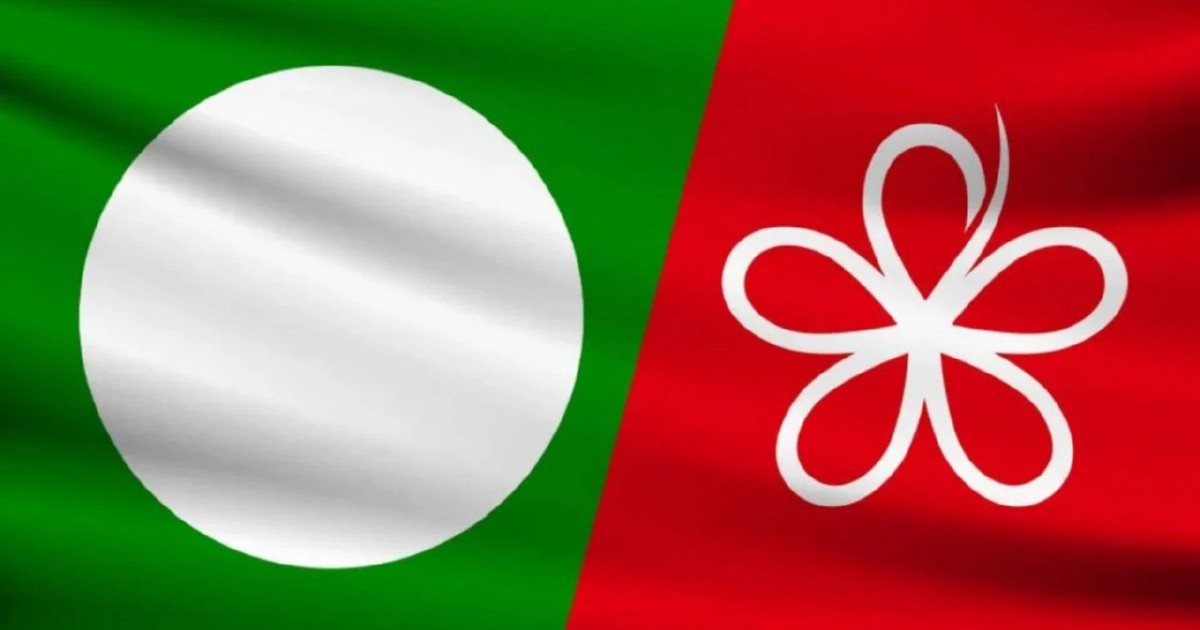
The Islamic political party PAS has confirmed it is prepared to contest specific constituencies in the upcoming Negri Sembilan state election where its Perikatan Nasional coalition partner Bersatu also seeks candidates, according to statements made by senior PAS leadership in Kota Baru. This acknowledgment reveals deeper complexities within the broader opposition alliance that has dominated Malaysian politics since the 2022 general election, exposing fault lines that could reshape the political landscape in the central Malaysian state.
The prospective showdown between the two PN components underscores persistent disagreements over seat allocation negotiations that have plagued the coalition's consolidation efforts across multiple state-level contests. While PAS and Bersatu publicly maintain their formal alliance commitments, the inability to reach comprehensive power-sharing agreements suggests fundamental differences in how each party envisions their electoral strategy and territorial dominance within Perikatan Nasional.
Negri Sembilan, a relatively compact state with approximately 36 state assembly constituencies, presents a critical proving ground for assessing the coalition's internal cohesion ahead of future elections. The state has historically served as a political bellwether, with its results often indicating broader trends across the Klang Valley region and influencing voter sentiment in neighbouring Selangor and Kuala Lumpur. Any fragmentation of PN unity in this particular contest could send significant ripples through the opposition coalition's broader strategic calculations.
PAS has long positioned itself as the Islamic credentials guardian within the multi-ethnic political bloc, drawing substantial support from rural Muslim constituencies across Peninsular Malaysia. The party's willingness to contest against Bersatu in Negri Sembilan reflects a strategic calculation that its grassroots mobilisation capacity and religious messaging will prove decisive in these particular battlegrounds, even if it means challenging a formal ally.
Bersatu, the relative newcomer to this configuration after its formation in 2016, has struggled to establish comparable organisational depth and voter loyalty compared to PAS, though it benefits from strong links to rural Malay constituencies and former United Malays National Organisation networks. The party's founder Mahathir Mohamad's historical prominence still carries weight with certain demographic segments, yet Bersatu lacks the ideological clarity that PAS leverages in its electoral messaging.
The seat allocation tensions reflect broader uncertainties about PN's long-term viability as a cohesive political force. Coalition partnerships in Malaysia have historically proven fragile, particularly when multiple parties from similar ethnic and religious backgrounds compete for overlapping voter bases. The Barisan Nasional experienced similar pressures during its decades of dominance, eventually fragmenting partly due to unresolved disputes over territorial representation and ministerial portfolios.
For Negri Sembilan specifically, the competition between PAS and Bersatu creates opportunities for the ruling Pakatan Harapan coalition to exploit PN divisions and potentially regain ground lost in 2022. Should direct contests between PN components significantly weaken their collective vote shares, the fractured opposition vote could gift constituencies to the federal government coalition, fundamentally altering the political balance within the state.
The Malaysian electorate has demonstrated increasing sophistication in punishing coalition disunity. Voters observing public disputes and contested nominations between alliance partners frequently respond by either switching allegiances or opting for independent candidates. This voter reaction substantially explains why coalition fragmentation accelerates rather than remains contained within internal party structures.
The PAS leadership's forthright acknowledgment of preparation for Bersatu clashes represents a significant departure from the typical diplomatic language coalitions employ to mask internal tensions. This unusually candid approach suggests that senior PAS figures have calculated the political cost of appearing weak or subordinate within PN negotiations to be higher than the cost of publicly acknowledging rivalry. Such calculations often herald broader coalition deterioration.
Government analysts monitoring opposition dynamics will closely examine whether these Negri Sembilan contests represent isolated disputes or symptom of systematic coalition breakdown. If PAS and Bersatu maintain capacity to cooperate on most seats while contested elections remain exceptional, PN may survive intact. Conversely, if territorial disputes proliferate across multiple states without resolution, the entire coalition architecture faces potential collapse before the next general election cycle.
The upcoming Negri Sembilan election therefore carries significance extending far beyond the state's borders. It will provide crucial intelligence about PN cohesion, demonstrate whether PAS and Bersatu can compartmentalise their competition, and offer hints about the opposition's readiness for a nationwide general election that could arrive within the next 18 to 24 months under current constitutional frameworks.
For Malaysian voters and regional political observers, these developments illustrate how multi-party coalitions constantly negotiate the balance between maintaining unity and pursuing partisan advantage. The Negri Sembilan contest will substantially clarify whether Perikatan Nasional can sustain that balance or whether internal pressures will force a reconfiguration of opposition politics that could reshape the nation's competitive electoral landscape.

