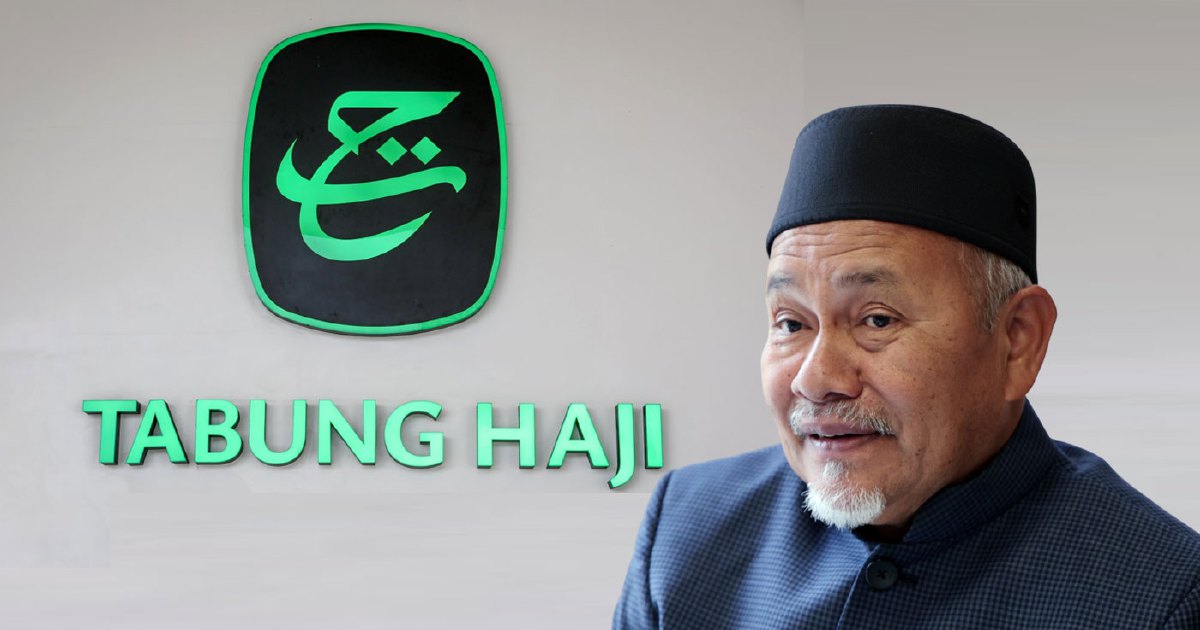
The government's intention to convene a special parliamentary sitting specifically to debate the Royal Commission of Inquiry findings on Tabung Haji has drawn support from Pas, signalling potential consensus on this contentious issue that has troubled the pilgrimage fund for years. Datuk Seri Tuan Ibrahim Tuan Man, the Islamic party's deputy president, framed the initiative as a positive step that gives formal parliamentary standing to the commission's examination of the fund's management and performance troubles.
Tabung Haji's difficulties have cast a long shadow over Malaysia's Islamic institutions. The pilgrimage savings scheme, which manages funds for hundreds of thousands of Malaysian Muslims preparing for the hajj journey, experienced significant investment losses and governance challenges that prompted the establishment of the Royal Commission. The public airing of these findings in parliament represents a watershed moment for institutional accountability, particularly given the fund's religious and social importance to the Muslim community across the country.
Pas's endorsement matters significantly within Malaysia's political landscape. As a major component of the ruling Perikatan Nasional coalition, the party's backing provides essential support for parliamentary proceedings that could prove contentious or demand substantial legislative remedies. Tuan Ibrahim's position as deputy president means his statements carry weight in internal party decisions and the wider Malay-Muslim political ecosystem, where Pas wields considerable influence despite its partners' varied electoral strength.
The special sitting itself represents an acknowledgment that standard parliamentary debate timeslots cannot adequately address the complexity and seriousness of the Tabung Haji inquiry. Royal Commissions in Malaysia typically require dedicated legislative attention when their findings touch on public institutions and mismanagement allegations. By dedicating exclusive parliamentary time to this report, lawmakers signal recognition that the matter demands thorough discussion rather than a rushed mention in regular business orders.
Yet Tuan Ibrahim's rhetoric extended beyond mere procedural approval. The deputy president specifically urged follow-up action, emphasising that parliamentary debate must translate into concrete policy responses and administrative reforms. This framing shifts focus from debate itself to implementation, suggesting that Pas will monitor whether the government moves beyond discussion toward actual change. Such vigilance matters because parliamentary inquiries can sometimes become opportunities for political theatre without producing meaningful outcomes.
The Tabung Haji situation carries deeper implications for Malaysian confidence in religious and financial institutions. Millions of Muslims have entrusted their savings to this fund for decades, viewing it as both a spiritual obligation fund and prudent financial management aligned with Islamic principles. Investment losses and governance failures strike at the heart of institutional credibility, threatening public faith not only in Tabung Haji but potentially in other government-linked religious bodies. Parliamentary scrutiny, therefore, serves a confidence-restoration function beyond simple accountability.
Regional observers note that Malaysia's handling of the Tabung Haji inquiry reflects broader Southeast Asian patterns around Islamic institutional governance. As Muslim-majority nations grapple with modernising religious institutions and introducing transparent management standards, how Malaysia manages this high-profile case may influence approaches elsewhere. The pilgrimage fund debate also carries lessons for other government-linked companies and state-owned enterprises facing performance questions across the region.
The timing of the special sitting also deserves attention. Parliamentary calendars operate under various constraints, and carving out dedicated time signals that the government considers this matter urgent enough to disrupt normal business. This prioritisation could reflect genuine commitment to addressing Tabung Haji's problems or political calculation about managing a sensitive religious issue before public concern deepens further. Either way, it demonstrates that the inquiry's findings have triggered institutional responses at the highest level.
Pas's conditional support—welcoming the sitting while demanding follow-up—positions the party as holding government accountable on this specific issue. This stance allows Pas to demonstrate vigilance on matters affecting Muslim interests while maintaining coalition solidarity. For Malaysians concerned about Tabung Haji, such dual positioning means they cannot assume that even coalition partners will passively accept inadequate remedial measures without political pressure.
The path forward requires translating parliamentary debate into administrative, financial, and possibly legislative reforms. Potential outcomes might include management restructuring, enhanced regulatory oversight, investment policy reviews, or compensation mechanisms for affected depositors. Each option carries different implications for government spending, institutional independence, and public satisfaction. The special parliamentary sitting will likely reveal which reform options command political consensus and which remain contested.
Moving beyond the debate itself, stakeholders face questions about implementation timelines, resource allocation, and accountability mechanisms. Will reforms be announced before parliament reconvenes, or only after extended consultation? Will the Royal Commission's specific recommendations receive endorsement, modification, or selective adoption? These practical details ultimately determine whether the special sitting represents genuine institutional renewal or primarily theatrical responsiveness to public concern.
For Malaysian Muslims dependent on Tabung Haji for pilgrimage planning, the special parliament sitting offers both hope and uncertainty. Parliamentary attention might catalyse necessary reforms, but only if debate leads to decisive action. Pas's support for the initiative creates political conditions favouring substantive responses, yet the follow-up action that Tuan Ibrahim emphasised remains months away. Stakeholders will watch carefully as parliament assembles to scrutinise findings that could reshape how Malaysia manages one of its most important Islamic institutions.

