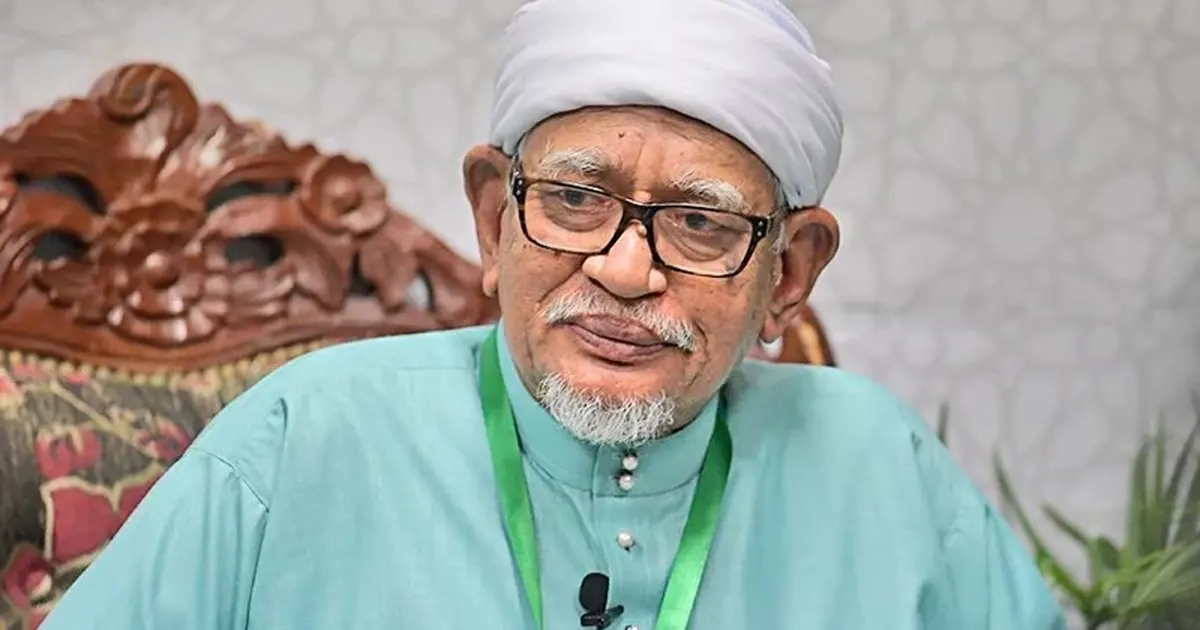
Negotiations between PAS and Barisan Nasional over how to distribute parliamentary and state assembly seats in Melaka remain active, according to PAS president Abdul Hadi Awang, who indicated that the outcome of the 2022 general election will heavily influence the final allocation. The coalition partners are working through a complex realignment process as they prepare for potential electoral contests and consolidate their political influence in the state, where electoral dynamics have shifted substantially in recent years.
Hadi's remarks underscore the delicate nature of seat-sharing arrangements within the broader BN-PAS coalition framework. Both parties must balance the need to maintain internal cohesion against the backdrop of differing electoral strengths across Malaysia's various constituencies. The PAS leader's acknowledgement that previous performance will factor into negotiations reflects the fundamental principle that seat distribution typically rewards parties based on their demonstrated electoral viability and organisational reach.
Melaka presents a particularly instructive case study for coalition politics in Malaysia. In the 15th general election, held in November 2022, BN's poor showing in Melaka's parliamentary contests highlighted the coalition's vulnerability in certain regions where support had historically been stronger. The fact that BN secured zero parliamentary seats in the state represents a significant reversal from previous electoral cycles and signals broader shifts in voter preferences and demographic changes within the state.
This context makes the current PAS-BN dialogue especially significant. When one partner in a coalition performs poorly in a particular state, subsequent seat negotiations often become more contentious, as the stronger performer naturally seeks to capitalize on the dynamic. PAS, as the larger beneficiary in Melaka in recent elections, holds considerable leverage in these discussions and can justifiably argue for a more substantial allocation of winnable seats.
For Malaysian political observers, these negotiations illustrate how electoral pacts operate in practice. Coalition politics requires constant recalibration as electoral landscapes evolve. Parties must decide whether to reward historical contributions, recognised party machinery, or demonstrated recent performance. These decisions carry implications not just for the parties themselves, but for voters who must evaluate what different seat allocations mean for representation and governance priorities in their constituencies.
The ongoing talks also reflect the broader challenge facing both BN and PAS in maintaining relevance in an increasingly competitive political environment. Both parties face pressure from other coalitions and independent actors who seek to exploit any visible cracks in unity or dissatisfaction with power-sharing arrangements. Public awareness of seat negotiations, particularly when they appear unfair to either party, can generate internal discontent that affects campaign momentum and volunteer engagement.
Melaka's political importance extends beyond mere seat counts. As one of Malaysia's smaller peninsular states, it functions as a testing ground for coalition strategies and messaging approaches. The manner in which PAS and BN resolve their differences over seat allocation sends signals throughout Malaysia's political establishment about how power-sharing arrangements will function going forward. This becomes especially relevant for smaller coalition partners who worry about being marginalised when bargaining from a weaker position.
The role of electoral performance data in these negotiations cannot be overstated. Hadi's explicit reference to GE15 outcomes demonstrates that seat allocation increasingly relies on quantifiable, objective metrics rather than historical claims or seniority within coalitions. This represents a shift towards more transparent and arguably more defensible methodologies, though it can create friction when past heavyweights face reduced allocations due to recent setbacks.
For Melaka voters and potential candidates from both parties, the ongoing uncertainty surrounding seat distribution creates practical challenges. Would-be candidates cannot begin meaningful campaign preparations without knowing whether their desired seats will be contested by their own coalition partners. This uncertainty can affect the quality of candidate selection processes and the momentum of early-stage campaign activities.
The negotiation dynamics also touch on questions of inter-party trust and long-term coalition sustainability. If PAS perceives that BN seeks compensation or special treatment despite weak performance, tensions could emerge that undermine collaborative efforts in other states. Conversely, if BN feels sidelined entirely, it may reduce its commitment to coalition activities in Melaka or elsewhere, creating ripple effects across the broader BN-PAS arrangement.
For the Southeast Asian region broadly, Malaysia's coalition arrangements remain a subject of interest as other nations grapple with multiparty systems and power-sharing configurations. How established coalitions like BN adapt to electoral setbacks and adjust seat distributions provides lessons about institutional resilience and the mechanisms through which coalitions manage internal conflicts.
The timeline for concluding these Melaka negotiations remains unclear, though both parties likely recognise that extended uncertainty serves neither's interests. Political calendars and potential electoral timelines will eventually force both PAS and BN to reach conclusions and move forward. How they ultimately resolve this matter may well establish precedents for handling similar situations elsewhere in Malaysia, making the current discussions worthy of careful attention from political analysts and engaged citizens.

