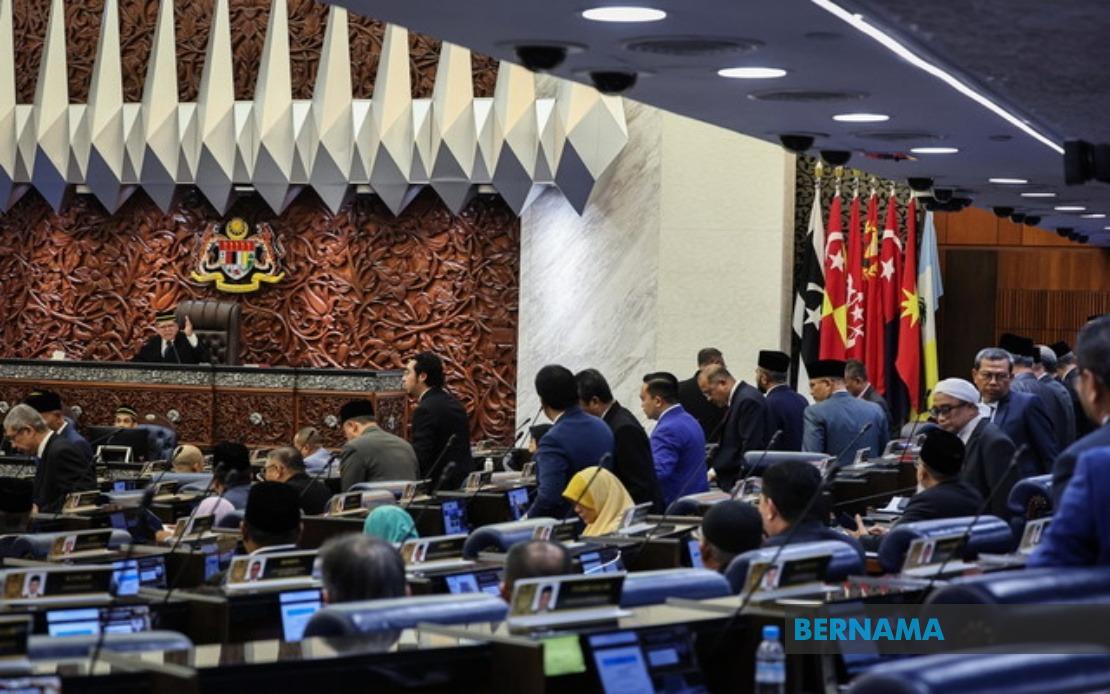
The decision by Perikatan Nasional opposition members to stage a coordinated walkout from the Dewan Rakyat during debate on the Tabung Haji Royal Commission of Inquiry report has reignited discussion about the boundary between legitimate parliamentary protest and strategic disengagement from national concerns. Opposition Leader Datuk Seri Hamzah Zainudin, PN Chief Whip Datuk Seri Takiyuddin Hassan, and PN chairman Datuk Seri Dr Samsuri Mokhtar led the withdrawal from what became a special parliamentary sitting intended to examine findings made public on July 29 following government approval for disclosure.
The impetus for the walkout centred on the absence of Prime Minister Datuk Seri Anwar Ibrahim and Deputy Prime Minister Datuk Seri Fadillah Yusof, both undergoing medical treatment. Takiyuddin had proposed adjournment of the sitting on these grounds before the exit occurred. However, the underlying tension between opposing this absence and abandoning discussion of a matter affecting millions of Tabung Haji depositors has sparked substantive critique from observers of Malaysian politics and governance.
Prof Datuk Dr Sivamurugan Pandian, a lecturer at Universiti Sains Malaysia's School of Social Sciences, characterised the walkout primarily as a political manoeuvre targeting executive representation rather than a coherent response to the Tabung Haji crisis itself. He argued that framing the action as rooted solely in concerns about the pilgrim fund masked a more complex political calculation, one in which procedural objections became vehicles for broader opposition messaging. The distinction matters significantly for how constituents and observers interpret parliamentary dynamics and the apparent priorities of elected representatives.
Crucially, Sivamurugan noted that the Opposition retained meaningful alternatives had it chosen to deploy them. Remaining in the chamber to interrogate the RCI findings, pose detailed questions about its recommendations, and establish an official parliamentary record of alternative proposals would have created a durable foundation for accountability. Public debate creates documentary evidence; walkouts generate headlines that fade within news cycles. For depositors seeking assurance that their representatives have examined evidence and proposed solutions, the permanence of transcribed argument carries weight that symbolic gestures cannot match.
The fracturing within the opposition bloc itself furnished additional evidence that the walkout represented contested strategy rather than unanimous conviction. Some Opposition MPs chose to remain in the chamber, signalling divergent assessments about whether withdrawal genuinely advanced their collective interests or instead ceded ground to government narratives. This internal disagreement suggests that at least some members recognised potential downsides to absence, even if they were outweighed by other considerations or party discipline.
The symbolic dimension of the Prime Minister's non-attendance cannot be entirely dismissed, as Sivamurugan acknowledged. Parliamentary tradition holds that executive leadership demonstrates commitment to significant national debates through physical presence, and the concurrent absence of both the Prime Minister and Deputy Prime Minister during discussion of a fund managing billions in retirement savings did carry real political meaning. Opposition parties were correct to note that this absence signalled something to the public about governmental priorities or capacity during a period of health challenges affecting top leadership.
Yet symbolism without substance risks undermining the very constituency the walkout purported to protect. Tabung Haji depositors—many of them small savers, elderly retirees, and the religiously observant who entrust the institution with their hajj ambitions and retirement planning—require more than theatrical opposition. They need their representatives to scrutinise RCI proposals, interrogate government responses, and advance concrete alternative frameworks on the parliamentary record where such arguments become binding reference material for future accountability.
The walkout strategy privileges short-term political messaging over longer-term institutional leverage. News coverage of the exit undoubtedly reached audiences who never follow detailed parliamentary transcripts; many Malaysians learned that the Opposition objected to proceedings conducted without the Prime Minister. However, those same audiences learned nothing about what solutions the Opposition proposed, what specific RCI recommendations it opposed or supported, or how it would differently address the fund's accumulated challenges. In this sense, the walkout may have won a symbolic victory while conceding the substantive arena where policy actually shifts.
Parliament's constitutional role as a check on executive power depends on the cumulative record of debate, scrutiny, and documented positions taken by elected members. When MPs abandon the chamber, they temporarily cede that checking function, allowing the government and its supporters to shape how issues are discussed and resolved outside the spotlight. Future generations examining parliamentary records of this consequential debate will find an absence where opposition voices might have created binding documentation of alternatives and warnings about risks ahead.
Simultaneously, Sivamurugan recognised that the government too bears responsibility for the dynamic that prompted the walkout. The Prime Minister's health challenges and resulting absences from Parliament reflect real constraints, yet his administration should have anticipated that conducting a debate on such a sensitive subject without executive leadership present would provoke legitimate questions about priorities and symbolic commitment. The optics mattered; the Opposition's response to those optics, however, could have been calibrated differently.
For Malaysian observers monitoring parliamentary effectiveness, the episode illustrates persistent tensions within Westminster-model democracies operating under contemporary political pressures. When should opposition members prioritise procedural principles about executive attendance, and when should they prioritise substantive engagement with policy questions? The walkout resolved this tension by prioritising the former, but Sivamurugan's critique suggests the choice may not serve the long-term institutional interests of either the Opposition or the depositors it claims to represent. The Tabung Haji debate exemplifies a moment where the most powerful argument might have required staying to make it, rather than leaving to protest its conditions.

