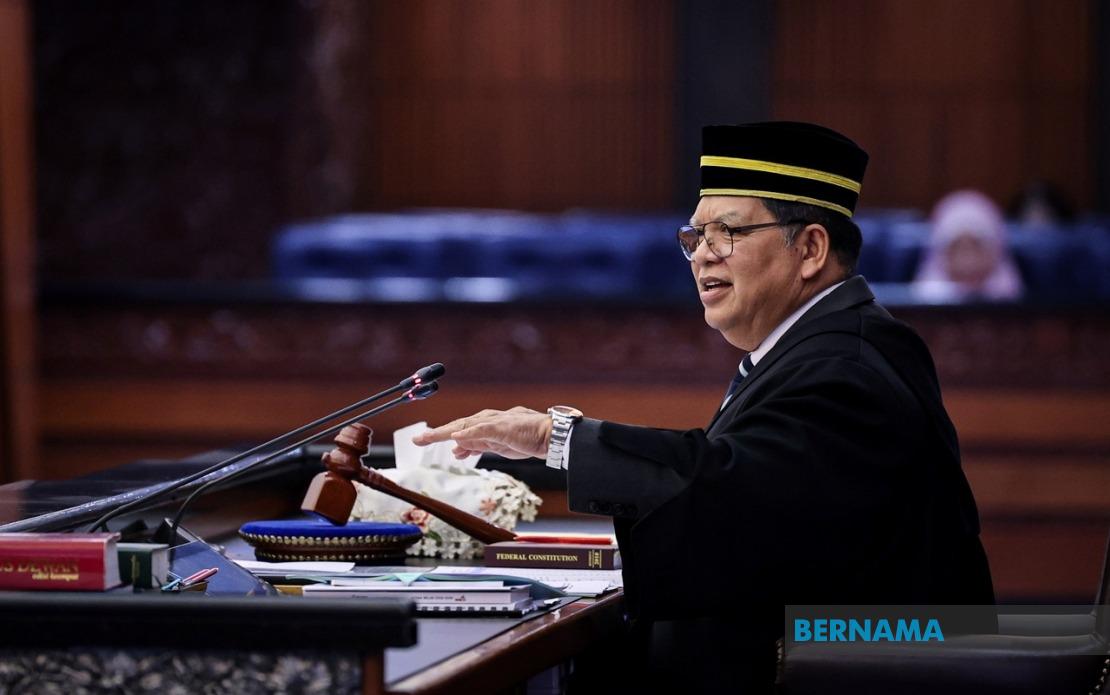
The Malaysian Parliament has concluded a substantial legislative session spanning 16 days, formally adjourning after considerable parliamentary work that saw the passage of 13 significant Bills and numerous supporting motions. The sitting, which began on June 22 and concluded on July 16, represented a focused push to advance government legislative priorities before the anticipated election campaign period that lies ahead for the nation.
Dewan Rakyat Speaker Tan Sri Dr Johari Abdul highlighted the scope of the session in his adjournment remarks, underscoring both the breadth of legislation processed and the supporting mechanisms that underpinned parliamentary business. Beyond the passage of Bills, the session accommodated three full ministerial briefings, additional targeted briefings within the Special Chamber, and six separate presentations by Select Committee chairmen reviewing various reports. This multifaceted approach demonstrates the Parliament's effort to maintain robust oversight functions alongside its core legislative responsibilities.
The Bills approved during this sitting span several critical governance domains. Transport sector reforms featured prominently with the Road Transport (Amendment) Bill 2026, addressing ongoing safety and regulatory concerns within Malaysia's road transport industry. Child protection emerged as a priority through the Sexual Offences Against Children (Amendment) Bill 2026, reflecting growing international and domestic emphasis on safeguarding vulnerable populations. The Cybercrimes Bill 2026 represents a particularly significant legislative achievement, positioning Malaysia to strengthen its digital security framework at a time when cyber threats are escalating across Southeast Asia and the broader global landscape.
Competition law underwent substantive revision through paired amendments: the Competition (Amendment) Bill 2026 and the Competition Commission (Amendment) Bill 2026. These measures aim to modernise Malaysia's competition regulatory framework, a critical concern for business confidence and market efficiency. Agricultural regulation also received attention via the Control of Padi and Rice (Amendment) Bill 2026, maintaining government oversight of the nation's strategic food commodities at a time when supply chain resilience remains paramount for regional food security.
Witness protection mechanisms received strengthened legal foundations through the Witness Protection (Amendment) Bill 2026, enhancing judicial proceedings' integrity and enabling fuller cooperation from witnesses in sensitive cases. The Social Work Profession Bill 2026 marks legislative recognition of social work as a defined profession, establishing standards and protections for practitioners in this increasingly crucial field as Malaysia addresses complex social challenges ranging from child welfare to vulnerable populations support.
The communications and media sector also featured prominently in the legislative agenda. The Communications and Multimedia (Amendment) Bill 2026 and its companion Malaysian Communications and Multimedia Commission (Amendment) Bill 2026 update regulatory frameworks governing the sector. These amendments carry particular significance for Malaysia given the rapid evolution of digital platforms, content distribution, and media consumption patterns across the region. The National Trust Fund Bill 2026 and Statistics Bill 2026 rounded out the legislative package, addressing public administration efficiency and data governance respectively.
Looking toward the immediate future, Speaker Johari issued a health directive to all Members of Parliament, requesting that they undergo comprehensive health screenings before October 30 and lodge health records with Parliament for institutional safekeeping. This requirement reflects parliamentary duty of care toward legislators who face demanding schedules, particularly during election campaigns when physical and mental demands intensify considerably. The Speaker's explicit reminder for MPs to maintain wellness during the forthcoming campaign season underscores recognition of the toll electoral contests exact on political figures across Malaysia.
Parliament's role as a repository for MP health records represents a practical institutional measure, ensuring that Parliament maintains awareness of any health considerations that might affect legislative attendance or participation. This development also signals growing parliamentary concern with member welfare as a governance matter, particularly relevant in Malaysia's tropical climate and given the extended hours often demanded during intense legislative sessions and campaign periods.
The Speaker also announced that Malaysian Parliament is hosting a programme designed to engage multiple stakeholders in parliamentary affairs and democratic processes. The initiative encompasses Members of Parliament, parliamentary staff, participants in the Malaysian Youth Parliament programme, and members of the general public. This inclusive approach reflects parliament's commitment to deepening democratic participation and youth engagement with legislative institutions—a strategic priority for long-term democratic health across Malaysia and the wider region.
In his closing remarks, Speaker Johari extended formal appreciation to all Members of Parliament for their cooperation throughout the session, acknowledging the collaborative spirit necessary for effective parliamentary function. He similarly thanked government officials, parliamentary staff, media representatives, and all supporting organisations involved in managing parliamentary proceedings. Such expressions of gratitude underscore the complex institutional apparatus required to sustain parliamentary operations at the national level.
The adjournment date for the next parliamentary session remains to be determined, providing flexibility for government scheduling while allowing parliament to reconvene as legislative priorities and electoral requirements demand. This period also permits MPs to return to their constituencies, engage with constituents, and prepare for the electoral contest anticipated to occur before the next sitting. For Malaysia's democratic system, the conclusion of this substantial sitting marks a transition point between focused legislative work and the political mobilisation that characterises electoral campaigns in Southeast Asia's largest Westminster-style democracy.

