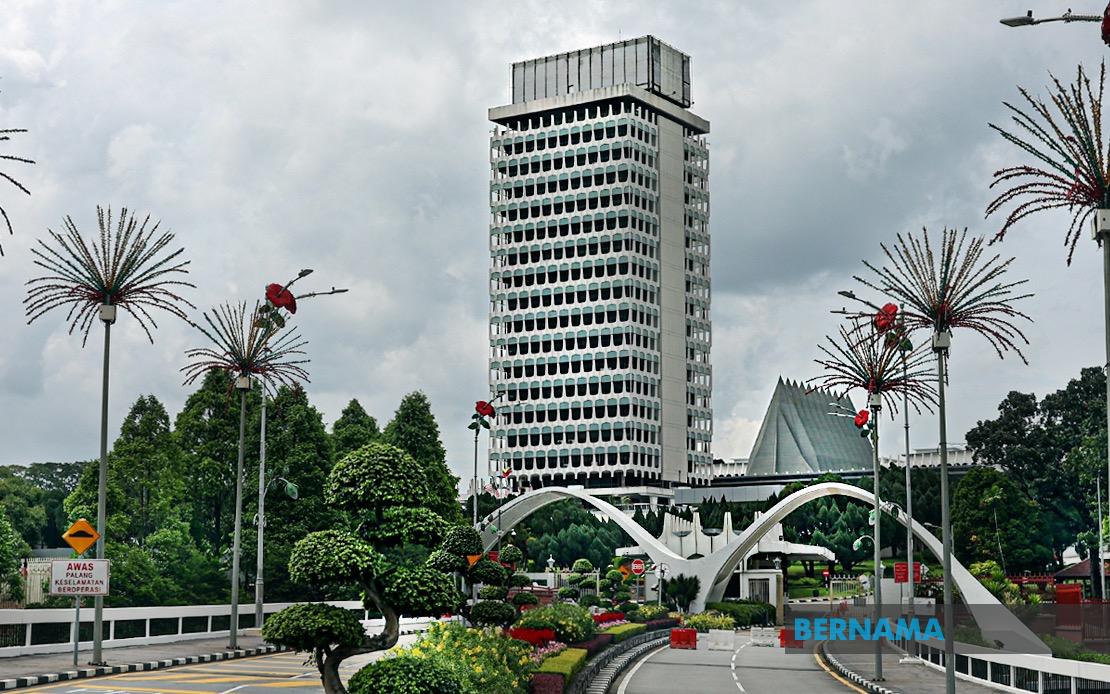
The Dewan Rakyat is set to examine three pressing policy areas affecting Malaysia's business landscape and democratic institutions during today's ministerial questioning, beginning at 10 am. Among the matters commanding parliamentary attention is the persistent difficulty faced by micro, small and medium enterprises in accessing credit facilities—a challenge that continues to hamper entrepreneurial growth across the country despite government interventions aimed at supporting this vital economic segment.
Lee Chuan How, the Ipoh Timor representative from the Pakatan Harapan coalition, will probe the Prime Minister directly on whether the MADANI Government recognises the escalating frustration among MSME operators struggling to obtain financing necessary for business continuity and expansion. This line of questioning reflects growing recognition within Parliament that access to affordable capital remains a structural barrier preventing Malaysia's smaller enterprises from competing effectively or scaling operations, particularly in a post-pandemic economy where cash flow pressures remain acute.
The MSME sector forms a substantial foundation of Malaysia's economy, employing millions and contributing significantly to GDP growth and export revenue. However, conventional banking channels often prove restrictive for smaller operators lacking substantial collateral or extensive credit histories. The government's various targeted lending schemes and microfinance initiatives have achieved limited penetration among those most in need, suggesting that current policy mechanisms may require fundamental redesign to meet emerging market demands.
Parallel to these economic concerns, Ahmad Fadhli Shaari from Pasir Mas, representing Perikatan Nasional, will interrogate the government on Malaysia's concerning slide in international media freedom assessments. The nation's ranking deteriorated to 95th place in the 2026 World Press Freedom Index, representing a significant slip from 88th position the previous year—a seven-place decline that reflects worsening conditions for press independence and journalistic operations across the country.
This downward trajectory in the World Press Freedom Index carries troubling implications for Malaysia's democratic health and international standing. Media freedom serves as an essential component of robust governance, enabling public scrutiny of government decisions and corporate conduct while facilitating informed civic participation. The ranking decline suggests tightening constraints on editorial independence, investigative journalism, and press access to information, potentially driven by legislative amendments, regulatory pressure, or self-censorship among news organisations navigating an increasingly complex operating environment.
Sharing details of how Malaysia ranks among regional and global peers becomes instructive for understanding the severity of this institutional challenge. Neighbouring countries and international observers scrutinise such rankings when assessing overall governance quality and democratic resilience. A sustained downward movement may discourage international media investment and discourage foreign journalists from based operations in Malaysia, potentially creating information vacuums particularly disadvantageous during periods of political significance or commercial controversy requiring transparent reporting.
The question posed by Ahmad Fadhli Shaari specifically demands government articulation of comprehensive measures intended to restore and protect media freedom. Answering this effectively requires acknowledging existing constraints while outlining concrete steps toward improving press independence—potentially through legislative review, regulatory clarification, or institutional reforms within media governance bodies. The government's response will signal whether media freedom protection constitutes a genuine policy priority or represents an area where other governance concerns take precedence.
Among additional parliamentary business scheduled, Aminolhuda Hassan from Sri Gading will question whether the government contemplates launching a dedicated Senior Citizens-Friendly Fund designed to facilitate mosque and surau infrastructure improvements. Specifically, this would support installation of accessibility features including wheelchair ramps and facilities for elderly worshippers, addressing a growing demographic challenge as Malaysia's population ages and religious institution usage among seniors persists as a central social activity.
This proposal reflects recognition that Malaysian places of worship require modernisation to accommodate increasing numbers of elderly congregants whose mobility or health conditions necessitate accessible facilities. The concept of dedicated government funding streams for religious infrastructure improvements targeting specific demographic groups represents an emerging policy frontier, balancing secular governance principles with demonstrated community needs and social cohesion objectives.
Beyond the question time proceedings, the parliamentary agenda encompasses weightier constitutional business. The Dewan Rakyat will debate the 2024 Annual Report and Financial Statement of the Human Rights Commission of Malaysia, or SUHAKAM, providing oversight of this independent institution responsible for investigating complaints and advocating for rights protection across government and private sectors. Scrutinising SUHAKAM's operations and resource allocation ensures parliamentary accountability and enables assessment of institutional effectiveness in addressing documented rights violations.
Most substantively, parliament will resume debate on the Constitution (Amendment) (No. 2) Bill 2026, which proposes separating the constitutionally vested roles of Attorney General and Public Prosecutor into distinct offices. This structural reform carries profound implications for Malaysia's justice administration by potentially creating clearer boundaries between prosecutorial decision-making and government legal representation. The separation would address longstanding concerns about concentrated legal authority while potentially enhancing institutional independence within the judicial ecosystem.
The proposed constitutional amendment reflects broader parliamentary and civil society discussions about institutional design and accountability mechanisms. Separating these roles could insulate prosecution decisions from political influence while enabling more neutral government legal advice, though implementation details regarding prosecutorial independence guarantees, appointment procedures, and reporting relationships remain subject to parliamentary negotiation and scrutiny. Today's debate continuation will likely probe these technical and philosophical dimensions before legislative voting occurs.

