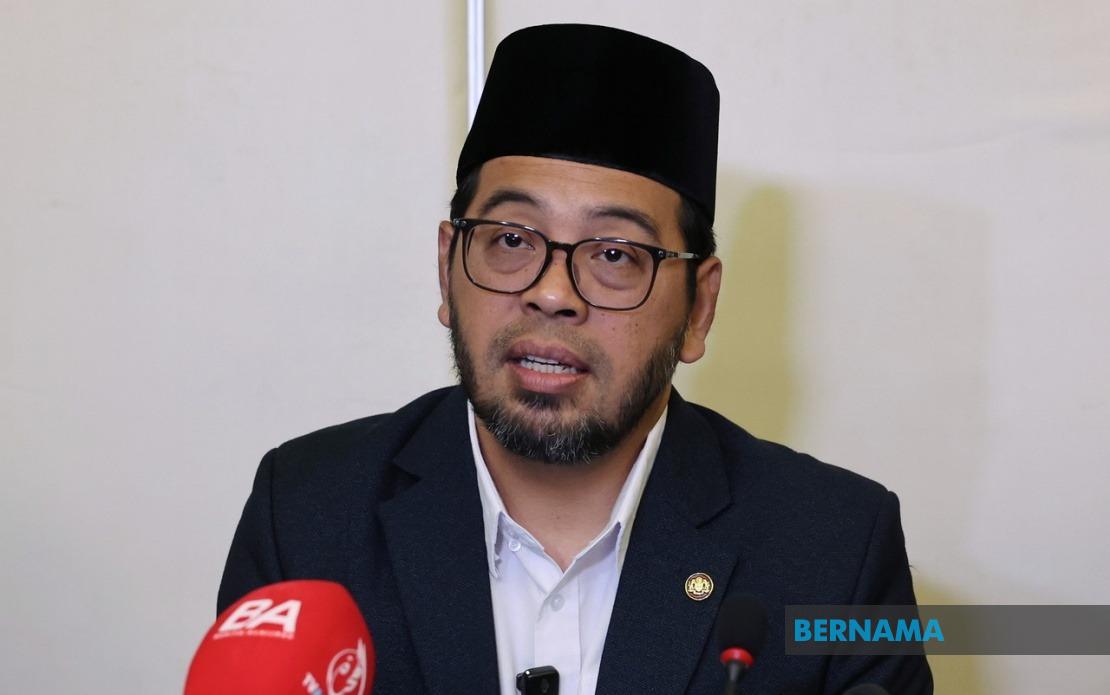
Parliament will hold a special sitting tomorrow to examine the findings of a Royal Commission of Inquiry into Tabung Haji's management over a six-year period, marking a significant moment of legislative scrutiny into one of Malaysia's most important Islamic financial institutions. Minister in the Prime Minister's Department (Religious Affairs) Dr Zulkifli Hasan will deliver a ministerial briefing on the 211-page RCI report during the sitting, which begins at 10 am, with Finance Minister II Datuk Seri Amir Hamzah Azizan alongside him to wind up parliamentary debate on the document's contents and recommendations.
The briefing represents a culmination of months of work by the Royal Commission, which investigated the operations and governance of Tabung Haji from 2014 to 2020. The government took the significant step of releasing the report publicly on July 29, rejecting convention that such inquiries might remain confidential. This transparency reflects broader pressure within Parliament and among the Muslim community to understand what went wrong at the institution, which manages savings and investments for millions of Malaysian pilgrims. The decision to make findings available to the public underscores the gravity of issues uncovered during the investigation.
Dr Zulkifli signalled in a brief video statement to media that the Cabinet has determined action must be taken against individuals implicated in the RCI's findings. While he did not elaborate on what form such action might take—whether administrative, civil, or criminal—the statement suggests the government is prepared to hold senior figures accountable. This commitment to consequences comes after years of controversy surrounding Tabung Haji's financial performance and governance lapses that had drawn public criticism and raised questions about stewardship of funds entrusted by devout Muslims planning their hajj pilgrimages.
The special parliamentary sitting has already generated substantial interest among lawmakers, with Communications Minister Datuk Seri Fahmi Fadzil revealing that at least 40 Members of Parliament expressed intention to participate in the debate. This level of engagement indicates the RCI report has captured political and public attention, transcending typical legislative procedures. The high number of MPs seeking to contribute reflects the importance of the inquiry to various political constituencies, constituencies of the Muslim community, and those concerned with institutional governance more broadly.
Tabung Haji's difficulties have weighed on the Malaysian financial landscape for several years. The institution had faced mounting challenges related to investment decisions, financial management, and structural weaknesses that accumulated during the period under examination. The RCI's investigation was tasked with determining how these problems developed and identifying those responsible for policy decisions and operational failures. The scope of the inquiry—spanning six years of activity—allowed investigators to trace patterns of decision-making and track how institutional governance deteriorated.
For Malaysian pilgrims and their families, the RCI report carries personal significance beyond its institutional implications. Tabung Haji holdings represent life savings for many Muslims planning their spiritual journey to Mecca. Concerns about how these funds were managed and invested directly affect millions of Malaysians' financial security and their ability to fulfil religious obligations. The parliamentary debate will therefore carry weight not merely as a matter of administrative accountability but as a question of trust in institutions managing the savings of ordinary citizens.
The timing and format of this parliamentary sitting—described as special rather than routine—underscores the government's recognition that the RCI findings warrant elevated attention. Special sittings typically convene to address matters of national importance or legislative urgency. By designating tomorrow's proceedings as special, Parliament signals to the public that lawmakers take the Tabung Haji inquiry seriously and intend to examine its conclusions thoroughly rather than relegating them to a routine order paper item buried among other business.
The presence of Finance Minister II Amir Hamzah Azizan alongside Dr Zulkifli indicates that the RCI report touches on issues spanning religious affairs and fiscal policy. Tabung Haji operates at the intersection of Islamic financial principles and broader macroeconomic management, making coordinated ministerial response appropriate. The finance portfolio's involvement also suggests that remedial measures may require budgetary action or restructuring of investment strategies overseen by the Finance Ministry.
Parliamentary debate on the report may reveal divergent views on how Tabung Haji's problems developed and which officials bear primary responsibility. Opposition members and backbenchers from various political parties will likely use the forum to press the government on accountability, demand explanations for specific decisions outlined in the RCI findings, and propose legislative or regulatory changes to prevent recurrence. Government MPs may defend certain decisions made during the period under review or argue for measured, deliberative responses to recommendations rather than swift punitive action.
The release of the RCI report to the public before parliamentary debate distinguishes this case from some previous inquiries that remained under wraps pending legislative discussion. Public availability of the document enables civil society organisations, media, religious scholars, and concerned citizens to form their own assessments of the findings before elected representatives take the floor. This transparency can enrich parliamentary debate by grounding discussion in facts accessible to all, rather than relying entirely on ministerial characterisations or selective media reporting.
Looking forward, the parliamentary debate will likely establish parameters for government response to the RCI's recommendations. Cabinet's stated commitment to action against those implicated will require definition and implementation. Whether this involves disciplinary measures, asset recovery, regulatory changes, or structural reforms to Tabung Haji's governance will emerge from how Parliament responds and how the government translates political accountability into concrete administrative or legal consequences. The sitting tomorrow marks the formal beginning of that process within Malaysia's legislative framework.

