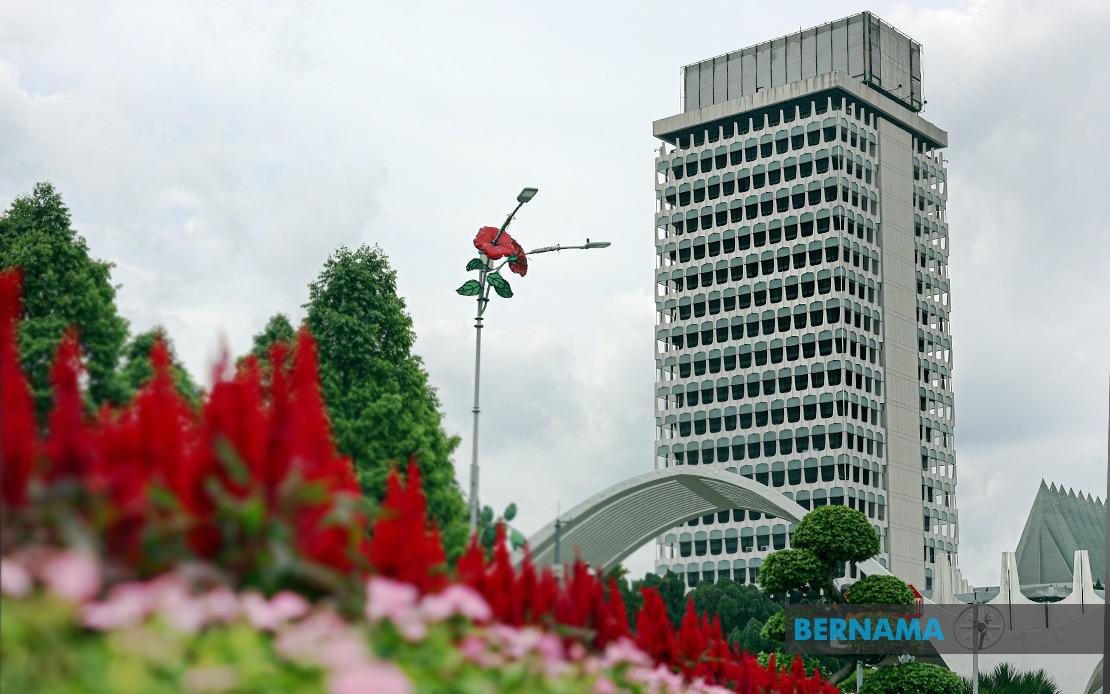
Malaysia's Parliament convenes today with lawmakers preparing to scrutinise the government's international diplomacy, domestic food resilience, and military procurement strategies, reflecting the nation's multifaceted concerns spanning global governance, economic security, and national defence readiness.
The Dewan Rakyat sitting, which runs until July 16, will feature questioning on Malaysia's approach to reforming the United Nations system, particularly regarding the structural inequities embedded in the UN Security Council. Datuk Seri Sh Mohmed Puzi Sh Ali, representing Pekan, will direct his inquiry toward the Foreign Minister, seeking clarification on the strategic methodology Malaysia intends to deploy in advancing institutional change at the global level. The question addresses Malaysia's aspirations to elevate its standing within the UN framework, an ambition that reflects the country's broader desire to expand its influence in international affairs beyond its current position as a non-permanent member when circumstances permit.
The UN Security Council veto mechanism, wielded exclusively by five permanent members, has long been a source of frustration for developing nations and middle powers. Malaysia, as a country that has previously served and aspires to serve again on the Council, recognises that structural reform could strengthen the legitimacy and effectiveness of global peacekeeping and conflict resolution. The government's position on this matter carries implications for how Malaysia navigates its relationships with major powers and frames its role within multilateral institutions during an era of geopolitical fragmentation.
Equally pressing for Malaysian policymakers is the question of food security, which will be addressed through parliamentary inquiry by Shaharizukirnain Abd Kadir from Setiu. The Agriculture and Food Security Minister will be asked to present the government's contingency framework designed to mitigate a projected food supply shortfall. This line of questioning emerges against a backdrop of global agricultural disruptions, elevated input costs exacerbated by the West Asia conflict, and Malaysia's ongoing effort to achieve greater self-sufficiency in staple production. The government has previously channelled incentives toward food-producing states to encourage domestic cultivation and reduce import dependency, particularly for rice and other essential commodities.
The effectiveness of these incentive schemes will be examined, with particular attention to whether they have translated into measurable improvements in self-sufficiency rates or merely absorbed budgetary resources without proportionate returns. Rising agricultural input costs, fertiliser prices, and energy expenses have squeezed profit margins for farmers, potentially discouraging production expansion or leading to farmland conversion. Malaysia's vulnerability to global supply chain disruptions in food commodities creates a strategic imperative for domestic production capacity, a challenge compounded by land constraints and competition for agricultural resources in an increasingly urbanised economy.
National defence and military procurement resilience will also feature prominently when Datuk Awang Hashim raises questions regarding Malaysia's dependence on foreign defence suppliers. The Defence Minister will be pressed to assess how reliance on external sources has constrained military asset development planning and what concrete measures the armed forces have implemented to reduce supply disruption risks. Contract cancellations, delivery delays, and supplier uncertainty have created vulnerabilities in defence procurement cycles, challenges that extend across Southeast Asia as nations grapple with geopolitical tensions and increasingly complex global supply chains.
For Malaysia, a country situated in a strategically significant region, defence self-sufficiency carries both practical and symbolic weight. Dependence on foreign suppliers creates vulnerabilities during international disputes or when supplier nations face their own resource constraints. The question implicitly raises the case for developing domestic defence manufacturing capabilities and establishing diversified supply partnerships that reduce single-source dependencies. This concern reflects regional anxieties about great power competition and the desire to maintain strategic autonomy in security matters.
The science and technology portfolio will receive attention through Rodiyah Sapiee's inquiry regarding green hydrogen development, which frames energy transition not merely as environmental necessity but as economic opportunity. The Science, Technology and Innovation Minister will outline measures for coordinating national energy policy to support hydrogen sector growth, with particular emphasis on strategic collaboration with Sarawak. The state's ambition to position itself as Southeast Asia's green hydrogen hub reflects broader aspirations across the region to capitalise on the global clean energy transition.
Green hydrogen represents an emerging frontier in decarbonised energy production, with significant potential for export revenues and industrial competitiveness. Sarawak's abundant hydroelectric capacity and geographical position make it a logical anchor for such development, though realising this vision requires coordinated policy frameworks, technical expertise, and substantial capital investment. Malaysia's federal government coordination with state authorities on this initiative demonstrates recognition that energy transition requires multi-level governance alignment and long-term strategic commitment.
Beyond parliamentary questions, the sitting will advance legislative business through first reading of seven government bills, including measures addressing communications regulation and social work professionalism. The Communications and Multimedia (Amendment) Bill 2026 and related measures reflect ongoing efforts to modernise Malaysia's regulatory framework governing digital communications, an area of expanding importance as technology penetration deepens and convergence between traditional and digital media accelerates. The Social Work Profession Bill 2026 addresses professionalisation and standards within the social services sector, reflecting government priorities in social policy development.
The House will resume debate on the Control of Paddy and Rice (Amendment) Bill 2026, legislation that directly connects to earlier parliamentary questioning on food security by establishing regulatory frameworks for rice production and distribution. This bill's progression through parliament indicates government commitment to strengthening domestic rice supply management, though its effectiveness ultimately depends on implementation quality and sustained farmer engagement. The debate will provide opportunity for lawmakers to articulate constituency concerns regarding agricultural viability, pricing mechanisms, and government support adequacy.
This parliamentary sitting encapsulates Malaysia's contemporary policy preoccupations: navigating an unstable international order while advancing national interests through institutional reform, ensuring economic security through food self-sufficiency amid global disruptions, maintaining defence capability despite procurement complexities, and positioning the nation advantageously within emerging energy transitions. Each issue reflects Malaysia's position as a middle power confronting interconnected global challenges while pursuing development aspirations and strategic autonomy within Southeast Asia's increasingly contested environment.

