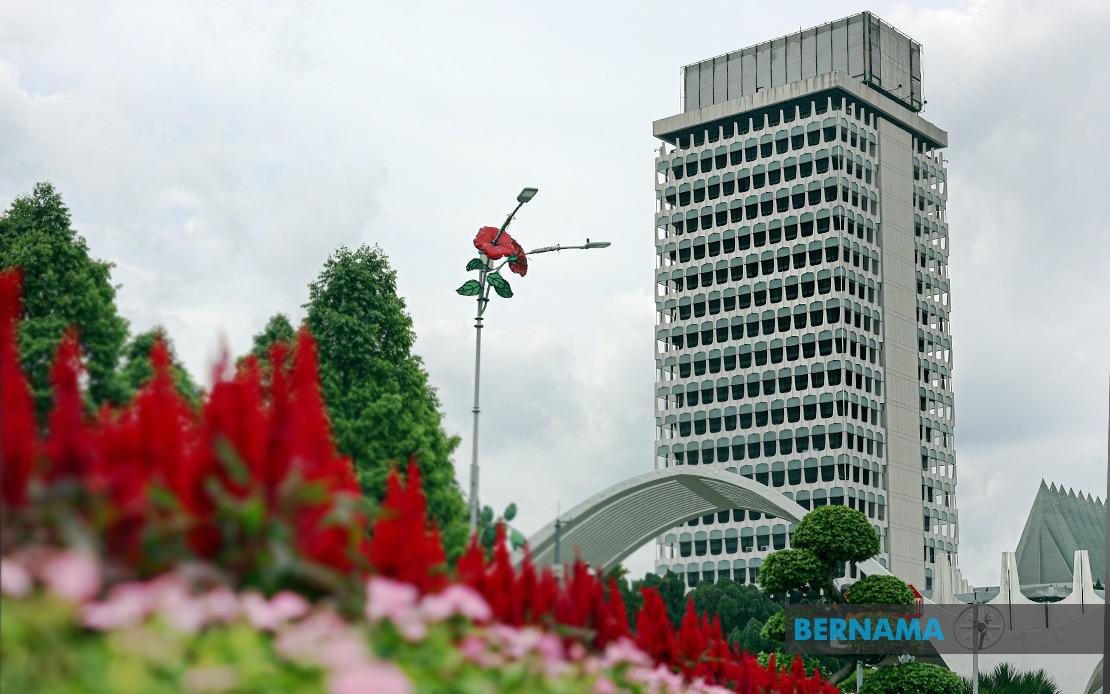
Parliament's legislative agenda for today reflects mounting concerns about climate vulnerability, institutional safety standards, and national food security—three interconnected challenges that underscore Malaysia's broader development priorities heading into an uncertain economic period. The Dewan Rakyat will dedicate significant attention to the El Niño phenomenon and its cascading implications for agriculture and household food availability, even as lawmakers grapple with a separate crisis prompted by a recent training exercise tragedy within the Malaysian Armed Forces.
The anticipated El Niño event has become a focal point for agricultural policymakers across Southeast Asia, and Malaysia is no exception. Bakti Jamaluddin, representing the Tangga Batu constituency, will press the Agriculture and Food Security Minister for a comprehensive government strategy addressing the weather pattern's expected impact on crop yields, water availability, and livestock production. His questions signal parliamentary concern that current preparations may be inadequate. El Niño typically brings drier conditions to Malaysia's agricultural zones, particularly during the critical cultivation season, threatening the productivity of rice paddies and other staple crops on which the nation depends for food sovereignty.
The issue extends beyond crop production into the mechanics of irrigation infrastructure. Malaysia's agricultural sector relies heavily on engineered water systems, and prolonged dry spells characteristic of El Niño episodes can deplete reservoirs faster than anticipated. Bakti's inquiry specifically targets irrigation water supply—a technical but essential component of food security that often receives insufficient political attention until shortages emerge. The government's contingency planning for managing water allocations between agricultural, industrial, and residential users during drought stress will likely feature prominently in ministerial responses.
A separate parliamentary question reveals persistent anxieties about safety protocols within the Malaysian Armed Forces. Datuk Mohd Isam Mohd Isa will seek clarification from the Defence Minister regarding a recent hand grenade explosion that occurred during a training exercise, with particular focus on the root causes and remedial measures. Such incidents, though rare, raise fundamental questions about whether military training standard operating procedures remain fit for purpose and whether institutional culture sufficiently prioritizes safety over operational tempo. The Defence Ministry's response will be scrutinized not only by parliamentarians but by military families and the broader public concerned about preventable tragedies.
Federal Capital governance will also command attention during the session. Tan Kok Wai, representing Cheras, will interrogate the Prime Minister on administrative reforms planned for Kuala Lumpur City Hall following completion of a feasibility study into the Federal Capital Act 1960. This question touches on perennial concerns about municipal efficiency, financial accountability, and service delivery standards in Malaysia's capital. The inquiry suggests that stakeholders view the current governance framework as requiring substantial renovation, spanning administrative structures, integrity mechanisms, and citizen-facing service quality.
Religious and ideological security emerges as another policy concern. Sabri Aziz from Jerai will ask the government to articulate its strategy for countering the spread of heterodox Islamic teachings and supporting individuals who have abandoned mainstream Islamic practice. This question reflects ongoing tensions within Malaysian society regarding religious orthodoxy, state authority in Islamic affairs, and the rehabilitation of individuals exposed to alternative theological interpretations. Government intervention measures and their effectiveness remain contentious topics with implications for both religious harmony and individual liberty.
Public health will feature prominently as well, with Datuk Dr Richard Rapu focusing on the alarming rise of non-communicable diseases among younger Malaysians. The epidemiological trend—particularly escalating diabetes and hypertension rates among those under thirty—signals a troubling shift in disease burden toward metabolic conditions historically associated with affluence and sedentary lifestyles. The Health Minister will be asked to provide updated statistics spanning 2024 to 2026, allowing parliamentarians to assess whether national health interventions are producing measurable results. The effectiveness of the War on Sugar campaign and enforcement of sugar taxation mechanisms will come under particular scrutiny as indicators of policy coherence and implementation capacity.
These diverse parliamentary questions cohere around a central theme: institutional preparedness for complex, interconnected challenges. Climate vulnerabilities cascade into food security concerns, which in turn affect economic stability and public health outcomes. Military training incidents highlight gaps in safety management that ripple through institutional trust. Municipal governance failures compound dissatisfaction with public service delivery. Religious extremism flourishes amid perceived state incapacity to address underlying grievances. Malaysia's lawmakers are signaling, through these inquiries, that fragmented sectoral responses will prove insufficient—integrated, cross-agency strategies are essential.
The timing of these debates matters. The Second Meeting of the Fifth Session of the 15th Parliament concludes today after spanning sixteen days, meaning this sitting represents one of the final opportunities for sustained legislative scrutiny before the parliamentary term advances. Lawmakers appear conscious that certain issues demand immediate attention before institutional and seasonal windows close. El Niño preparations cannot wait indefinitely; military safety protocols require urgent revision; municipal governance reforms demand political momentum; health campaign effectiveness must be measured against clear baselines; and religious accommodation remains perpetually contested.
For Malaysian readers, these parliamentary proceedings illustrate how governance challenges intersect in ways that affect everyday life—from food prices and water availability to public safety and municipal service delivery. The questions raised today, and the ministerial responses provided, will shape policy trajectories over coming months. Whether parliament's inquiries translate into substantive institutional reform, or remain rhetorical exercises in accountability theater, will determine whether Malaysia's government can effectively navigate the converging crises of climate change, institutional fragmentation, and social fragmentation.

