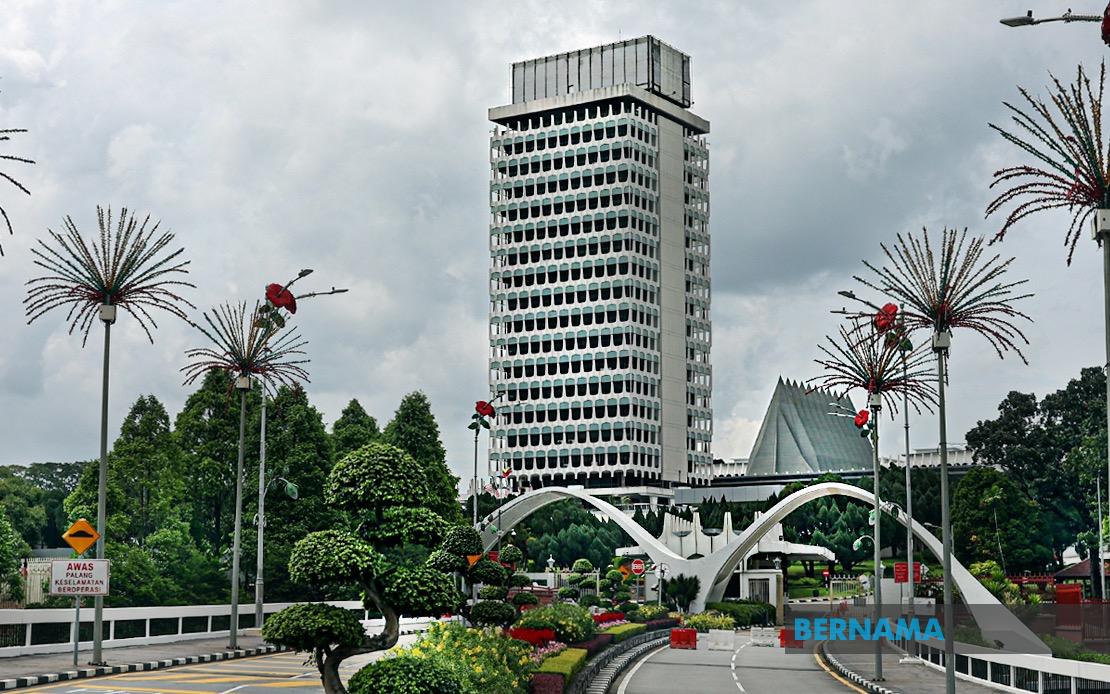
The Malaysian Parliament commenced a 16-day sitting on July 1 with attention centred on two pivotal issues: potential reforms to the Human Rights Commission of Malaysia's legislative framework and growing public concern over the mismatch between official inflation measurements and the actual burden faced by Malaysian households navigating rising prices for essentials.
At the heart of the parliamentary agenda lies a proposal to reshape how SUHAKAM operates financially. Teresa Kok Suh Sim, representing the Seputeh constituency under the Pakatan Harapan banner, has put forward a question to the Prime Minister examining whether the government intends to amend the SUHAKAM Act 1999 to enable the commission to develop revenue streams independent of federal budget allocations. The proposed mechanism would allow the organisation to generate income through offering training programmes and specialised courses, thereby reducing its reliance on government funding and potentially enhancing operational autonomy. This line of inquiry reflects broader recognition within Parliament that institutional independence can strengthen the effectiveness of bodies tasked with safeguarding constitutional rights and monitoring compliance with international human rights standards to which Malaysia is signatory.
The second major focus reveals significant parliamentary concern about economic data versus lived experience. Mohd Syahir Che Sulaiman from Bachok, representing Perikatan Nasional, has directed a question to the Minister of Economy probing how the government assesses the apparent disconnect between officially published inflation figures and the tangible surge in day-to-day expenditure that Malaysian families report when purchasing groceries, transport, utilities, and accommodation. This gap between macroeconomic statistics and household reality has emerged as a potent political and social issue across Southeast Asia, affecting consumer confidence and public sentiment towards government economic management. The question specifically asks the minister to clarify which metrics and indicators the administration employs to verify that economic expansion ultimately translates into genuine improvements in household purchasing capacity and standards of living.
Parallel parliamentary inquiries underscore the breadth of governance challenges currently occupying lawmakers' attention. V. Ganabatirau from the Klang constituency has submitted a question to the Prime Minister regarding the status of a comprehensive review examining land transfers and land-use modifications involving flood retention infrastructure, with particular emphasis on the situation in Kuala Lumpur. Climate resilience and urban water management have assumed heightened significance for the federal territory as extreme weather events and flooding threaten both residential communities and commercial districts with increasing frequency.
Education and workforce development constitute another substantive parliamentary concern. Datuk Dr Ku Abd Rahman Ku Ismail representing Kubang Pasu under the Perikatan Nasional banner has asked the Higher Education Minister to disclose the current composition of student enrolments across Malaysian universities and colleges, specifically the proportion studying science, technology, engineering, and mathematics disciplines relative to humanities and social sciences. His question extends further to ask what target figures the government has established for training engineers across various specialisms to adequately equip the nation's industries with technical talent capable of managing sophisticated manufacturing and innovation-driven sectors.
The parliamentary sitting, formally designated the Second Meeting of the Fifth Session of the 15th Parliament, will operate until July 16 and encompasses a substantial legislative agenda. Among scheduled business is the presentation for second reading of the Cybercrime Bill 2026, legislation proposed by a minister within the Prime Minister's Department that will shape Malaysia's legal framework for addressing digital crime and cyber threats—an area of mounting concern as Malaysia's digital economy expands and cyber incidents affecting government, financial, and private sector systems increase in frequency and sophistication.
These parliamentary enquiries collectively illuminate the governance priorities occupying Malaysia's legislature during mid-2024. The emphasis on institutional reform for SUHAKAM reflects continued parliamentary engagement with human rights infrastructure, while the cost-of-living questions demonstrate responsiveness to public anxiety about economic conditions. The concurrent focus on flood management, educational output in technical fields, and cybersecurity legislation indicates recognition that modern governance requires simultaneous attention to climate adaptation, workforce competitiveness, and digital infrastructure security.
The questioning of the inflation-versus-living-costs gap carries particular resonance for Malaysian households and has parallels across the Southeast Asian region, where nations including Thailand, Indonesia, and the Philippines contend with similar public perceptions that official statistics understate actual price pressures. Policymakers in the region increasingly acknowledge that traditional consumer price indices may insufficiently capture the experiences of lower and middle-income populations whose spending patterns differ substantially from the baskets used in inflation calculations. Malaysia's parliamentary engagement with this tension suggests awareness that addressing public economic anxiety requires not merely favourable macroeconomic data but demonstrable improvements in real household circumstances and purchasing capacity across income brackets.

