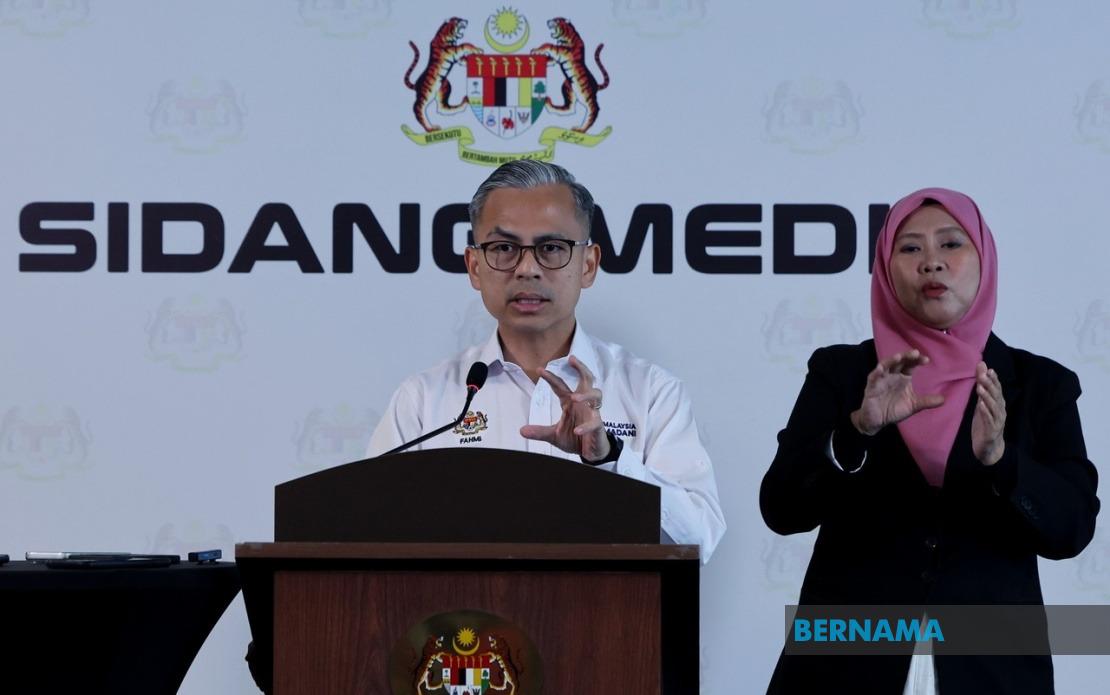
Parliament is bracing for an intensive debate on one of Malaysia's most consequential governance failures in recent years, with Communications Minister Datuk Seri Fahmi Fadzil confirming that 35 to 40 lawmakers have already registered to speak during a special Dewan Rakyat sitting dedicated to examining the Royal Commission of Inquiry findings on Tabung Haji. The unprecedented level of parliamentary interest underscores the gravity of the investigation's conclusions and signals how deeply the management crisis at the pilgrim fund has resonated across the political spectrum.
Scheduled to commence at 10 am on August 11, the session will operate on an unbroken schedule stretching into the afternoon, a decision approved by Dewan Rakyat Speaker Tan Sri Johari Abdul in response to the anticipated volume and complexity of the discussions. The continuous sitting format reflects the MADANI government's commitment to allowing comprehensive parliamentary examination of the RCI report without the artificial constraints of procedural breaks, enabling legislators from both government and opposition benches to thoroughly air their concerns and questions.
The decision to broadcast the entire proceeding live through official Dewan Rakyat media channels represents an important transparency measure, allowing Malaysian citizens and stakeholders to observe how Parliament scrutinises this institutional failure. This openness is particularly significant given that Tabung Haji manages the savings and pilgrimage arrangements of millions of Malaysians, making the fund's governance a matter of intense public concern.
The RCI investigation, which examined Tabung Haji's management and operations between 2014 and 2020, uncovered troubling patterns of decision-making that fundamentally weakened the fund's financial position. Released through the Department of Islamic Development Malaysia portal on July 29, the comprehensive inquiry identified a cluster of investments that the commission deemed worthy of forensic scrutiny, signalling that certain transactions may warrant more intensive examination by authorities or specialised auditors.
Beyond merely identifying problematic investments, the RCI report made more damaging discoveries about the conduct of institutional affairs. The investigation uncovered evidence of suspicious transactions that operated outside normal oversight mechanisms, as well as deliberate concealment of information that prevented proper scrutiny and accountability. These findings suggest systemic governance weaknesses that extended beyond individual investment decisions to encompass broader patterns of opacity and potential misconduct.
The severe deterioration in Tabung Haji's asset value stands as the most visible consequence of these management failures. The fund's financial erosion has immediate implications for the retirement security of Malaysian savers and the accessibility of the hajj pilgrimage for ordinary Muslims, transforming what might otherwise be a technical governance matter into a personal financial concern for millions of households. This dimension explains the broad parliamentary interest in examining how such deterioration occurred and what accountability mechanisms exist.
The RCI's recommendation for a forensic audit of past investment decisions represents a crucial next step in understanding the full scope of any irregularities or negligence. Forensic auditing differs substantially from conventional financial audits, employing investigative techniques specifically designed to uncover intentional wrongdoing, hidden transactions, and deliberate misstatement of accounts. The commission's endorsement of this approach suggests investigators found sufficiently concerning evidence to warrant specialist examination.
For Malaysian policymakers and financial regulators, the parliamentary debate will serve multiple purposes beyond immediate political accountability. The session offers an opportunity to examine what systemic safeguards failed to prevent or detect the problematic investments and suspicious transactions, what warning mechanisms exist to identify institutional drift in large fund management operations, and what legislative or regulatory reforms might prevent similar episodes in comparable organisations managing public assets or citizen savings.
The breadth of parliamentary engagement also reflects a broader reckoning with institutional governance standards in Malaysia. As concerns about accountability and transparency continue to shape the political landscape, Parliament's willingness to dedicate an entire sitting to a single investigation signals evolving expectations about how legislative bodies should engage with evidence of institutional failure. The debate will likely generate scrutiny not only of Tabung Haji's specific decisions but also of the regulatory environment that permitted those decisions to proceed unchecked.
For regional observers, Malaysia's handling of the Tabung Haji crisis and the subsequent RCI investigation offers insights into how Southeast Asian democracies balance institutional accountability with political considerations. The approach taken—establishing an independent commission, conducting a thorough investigation, releasing findings publicly, and dedicating parliamentary time to scrutiny—contrasts sharply with approaches in other jurisdictions where similar governance failures might be managed with greater opacity.
The forthcoming parliamentary debate will likely generate important questions about the personal accountability of individuals involved in the questionable investments and suspicious transactions identified by the RCI. While the commission's report identifies institutional failures, the nature of those findings suggests specific individuals may bear responsibility for particular decisions or actions, raising questions about whether administrative, civil, or criminal consequences should follow from the investigation.
Looking forward, the August 11 sitting represents a critical juncture in Malaysia's response to institutional failure. The breadth of parliamentary interest, the government's commitment to transparent proceedings, and the promised forensic audit suggest a more comprehensive accountability process than is sometimes typical. Whether this translates into meaningful reforms, recovered assets, and restored public confidence in Tabung Haji's governance will largely depend on the follow-up actions Parliament recommends and the government implements in response to the debate's conclusions.

