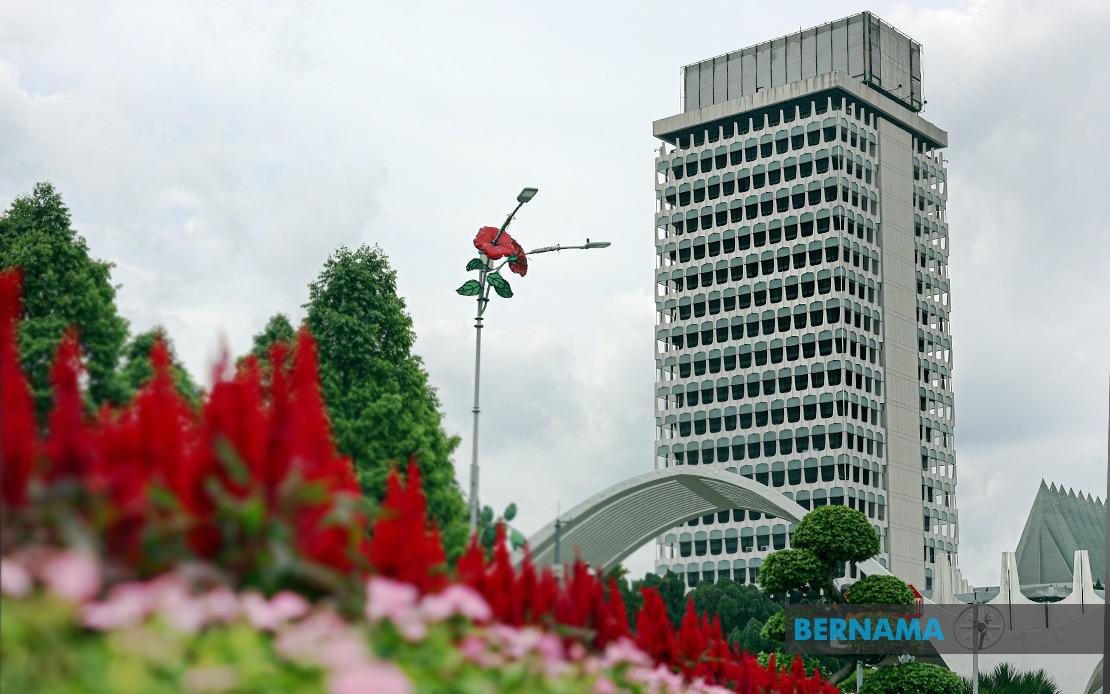
Lawmakers from both government and opposition benches have rallied behind calls to expedite amendments to the Tabung Haji Act 1995, viewing legislative reform as essential to implementing recommendations from a royal commission inquiry into the fund's troubled operations. The special parliamentary debate, convened following the public release of the RCI report in late July, revealed broad consensus that the institution requires structural safeguards to prevent the political meddling that MPs contend has weakened its governance and exposed millions of depositors to financial risk.
The convergence of opinion across party lines underscores the severity of concerns raised in the inquiry findings, which documented governance lapses spanning 2014 to 2020 and proposed 25 remedial measures. Although Tabung Haji has implemented three-quarters of these recommendations, lawmakers stressed that legal amendments must anchor institutional independence beyond administrative adjustments alone. The Act itself, they argued, contains provisions enabling excessive ministerial influence that require parliamentary intervention to disable.
Datuk Shahelmey Yahya of Putatan articulated perhaps the most fundamental critique, targeting Section 10 of Act 535, which vests the Minister with authority to issue general directions to Tabung Haji. He contended that this concentration of executive power directly precipitated the fund's failures, as political considerations overrode prudent financial decision-making. Shahelmey proposed abolishing this ministerial prerogative outright, reasoning that genuine institutional excellence cannot flourish where political interests intersect with management choices. His intervention reflected a view increasingly prevalent in the chamber: that technical governance fixes prove insufficient without dismantling the legal architecture permitting political dominance.
The question of Board appointments emerged as a parallel concern commanding multiparty support. Several MPs, including Syed Saddiq Syed Abdul Rahman from MUDA and Mohamad Shafizan Kepli from GPS, stressed the necessity of institutionalising merit-based, transparent recruitment processes stripped of political patronage. Syed Saddiq specifically urged legislative measures to prevent recurrence of politically motivated appointments, while Shafizan warned against allowing Tabung Haji, as a custodian of Islamic financial principles, to become compromised by weak governance practices. Both speakers invoked the interests of ordinary depositors—Malaysians who have sacrificed financially over years to accumulate funds for the Hajj pilgrimage—whose savings remain vulnerable to mismanagement rooted in politicised leadership.
Tan Sri Muhyiddin Yassin's contribution broadened the reform agenda beyond structural governance to encompass regulatory oversight and investment discipline. The Pagoh MP called for strengthened monitoring by Bank Negara Malaysia or another appropriate regulator, the establishment of an independent investment committee prioritising integrity, and a comprehensive portfolio restructuring ensuring compliance with Syariah principles. His prescriptions reflected recognition that amending the Act, while necessary, forms only one component of a multi-layered remedial strategy; operational safeguards and external oversight mechanisms must complement legislative changes to prevent future misconduct.
The RCI's own recommendations provided the parliamentary debate's backbone, legitimising the urgency lawmakers attached to amendments. The inquiry specifically proposed limiting active politicians' involvement on the board and reducing conflict-of-interest scenarios affecting both directors and subsidiary entities. These prescriptions crystallised months of inquiry into documented instances where political influence compromised investment decisions, Board deliberations, and management hiring. By framing amendments as implementing a royal commission's findings rather than introducing novel restrictions, lawmakers positioned reform as restoring institutional integrity rather than imposing radical change.
The implications for Malaysian governance extend beyond Tabung Haji itself. The institution functions as a major player in the Islamic financial ecosystem, managing billions of ringgit in deposits and wielding significant investment capacity. Its structural vulnerabilities to political interference thus threaten systemic financial stability and public confidence in Islamic banking institutions more broadly. Depositors entrust religious duty—fulfilling the Hajj—to an institution whose governance failures carry both spiritual and material consequences. The parliamentary consensus around curbing ministerial powers signals broader recognition that faith-based financial institutions require heightened independence and professional management precisely because they serve constituencies making investments based on religious obligation rather than purely economic calculation.
Several other MPs, including those representing Padang Serai, Bentong, Simpang Renggam, and Langkawi, echoed these themes throughout the sitting, indicating that support for amendments penetrated across state boundaries and party organisations. This breadth of backing suggests that parliamentary momentum may translate into legislative action, particularly given that the government has already adopted the public stance of considering RCI recommendations seriously. However, the path from parliamentary calls to enacted amendments involves executive review, drafting processes, and further legislative procedures—timelines often measuring in months rather than weeks.
The urgency lawmakers expressed reflects mounting public concern about Tabung Haji's trajectory. Between the inquiry period and the present, the institution's financial position has remained a subject of scrutiny, with questions persisting about whether past mismanagement has been thoroughly remedied. The RCI's finding that 75 percent of recommendations have been implemented provides some reassurance, yet the reliance on administrative measures rather than legal constraints leaves the institution vulnerable to reversal if political priorities shift. Amendments to Act 535 would create legally binding restrictions that transcend individual leadership changes or ministerial transitions.
The debate also illuminated tensions inherent in governance structures where religious institutions intersect with state apparatus. Tabung Haji, as a statutory body managing funds entrusted by Muslim Malaysians for Hajj purposes, occupies a unique position combining religious significance with public-sector accountability. The parliamentary discourse implicitly acknowledged that respecting this dual character requires insulating the institution from electoral cycles and ministerial patronage while maintaining public accountability—a balance requiring both legislative architecture and professional governance cultures.
Moving forward, the momentum evident in the parliamentary debate will likely translate into legislative proposals. MPs have articulated specific amendments—abolishing Section 10 ministerial directives, entrenching merit-based Board appointments, and establishing clearer conflict-of-interest protocols. These precise proposals provide a template for parliamentary draftsmen and executive reviewers. The timeline for amendment remains uncertain, though the convergence of political will across government and opposition suggests that delays may stem from technical legislative complexity rather than ideological resistance.
The broader significance of this episode extends to governance reform conversations throughout Southeast Asia. Malaysia's experience demonstrates how statutory bodies managing public deposits—whether pilgrimage funds, pension schemes, or sovereign wealth vehicles—require legal protections against political interference to function effectively. The parliamentary consensus around Tabung Haji amendments thus offers a regional model for how democracies can address institutional vulnerabilities revealed by inquiries, translating recommendations into durable legal frameworks that survive leadership transitions and political fluctuations.

