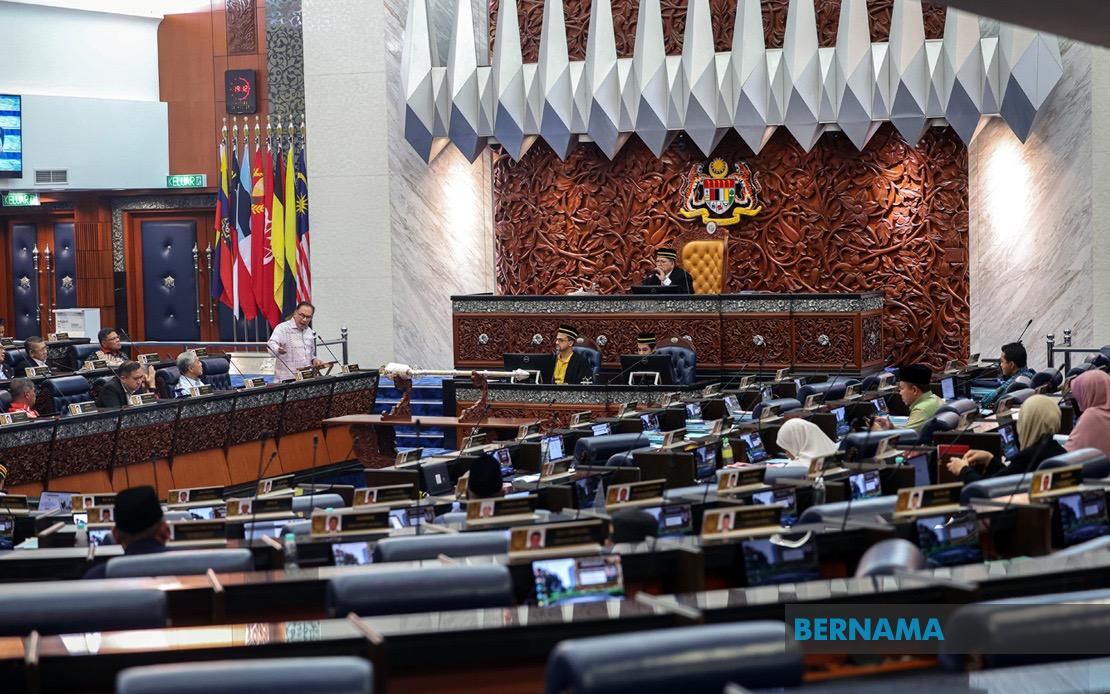
Parliament has rallied behind proposals to significantly fortify Malaysia's defences against child sexual exploitation, with MPs from both government and opposition benches coalescing around the Sexual Offences Against Children (Amendment) Bill 2026 while advocating for a comprehensive overhaul of enforcement mechanisms and victim services. The unified support for the legislative amendment reflects growing parliamentary concern that existing frameworks contain gaps enabling predators to evade prosecution, particularly those operating across jurisdictions.
The heart of the legislative push centres on extending Malaysia's legal reach beyond its borders. Abd Ghani Ahmad of PN-Jerlun emphasised the need to activate mutual legal assistance agreements and extradition protocols to prevent child sexual predators based abroad from exploiting jurisdictional gaps. This represents a critical concern for Southeast Asia, where cross-border paedophilia networks frequently leverage weaker enforcement in neighbouring countries. The amendment to the Sexual Offences Against Children Act 2017 directly addresses this vulnerability by ensuring Malaysia can prosecute offences committed overseas, closing a loophole that has inadvertently positioned the country as a potential jurisdiction of concern within international child protection circles.
Parliamentary recommendations have zeroed in on institutional coordination as a fundamental weakness in current responses. Abd Ghani's proposal for enhanced coordination spanning the Royal Malaysia Police, Immigration Department, Attorney-General's Chambers, Department of Social Welfare, hospitals, and educational institutions reflects the reality that child sexual crime investigations typically fragment across multiple agencies without integrated command. Better cooperation would streamline digital evidence preservation, a particular challenge given the prevalence of online exploitation, and accelerate prosecutions by eliminating investigative redundancies and jurisdictional delays.
Datuk Seri Doris Sophia Brodi of GPS-Sri Aman advanced the concept of a dedicated digital sexual crimes task force, recognising that online grooming and child exploitation have become the dominant modality through which predators operate. Her emphasis on digital literacy education and parental awareness reflects international best practice, acknowledging that prevention and early detection require investment in community resilience alongside law enforcement. The proposal to integrate multiple agencies within a single task force structure mirrors successful models in neighbouring jurisdictions and addresses the reality that cybercrime investigation demands technical expertise often distributed across different departments.
A critical gap that several MPs identified centres on victim rehabilitation and long-term support. Datuk Mas Ermieyati Samsudin proposed establishing a specialised prosecution unit exclusively handling child sexual offence cases, coupled with expanding access to child psychology experts in public facilities. Her call for a dedicated victim support fund—covering psychological treatment, legal assistance, and rehabilitation costs—acknowledges that Malaysia's current victim services infrastructure remains inadequate relative to the trauma scale facing survivors. Without comprehensive post-conviction support, many victims face psychological deterioration and social reintegration difficulties that perpetuate intergenerational trauma within families and communities.
The establishment of a National Child Sexual Offender Registry emerged as a recurring parliamentary theme, with Young Syefura Othman proposing controlled access for enforcement agencies and child-focused institutions including schools, daycare centres, and welfare homes. Such registries, commonplace in developed democracies, create transparency that prevents convicted offenders from gaining employment access to children. Syefura's recommendation for mandatory background checks across educational, religious, and sporting organisations working with minors represents a systemic approach to prevention rather than reactive prosecution, effectively transforming institutional hiring practices into child protection mechanisms.
The enforcement strengthening agenda proposed by RSN Rayer and others acknowledges that investigation capacity remains a genuine constraint. Expanding investigative team membership and specialisation would address the reality that child sexual crime cases demand distinct expertise from conventional criminal investigation, requiring training in trauma-informed interviewing, digital forensics, and psychological assessment. Current investigative teams often lack these specialisations, contributing to evidence degradation, witness retraumatisation, and prosecutorial weakness.
Parliamentary concern about Malaysia inadvertently becoming a destination for child sexual crimes reflects international reputation management anxieties, but more fundamentally addresses the moral imperative to protect the most vulnerable citizens. Datuk Mas Ermieyati's observation that stronger legal frameworks prevent Malaysia from becoming a jurisdiction of choice for predators acknowledges that weak enforcement effectively invites exploitation. The amendments and proposals collectively construct a deterrent architecture through certainty of prosecution, severity of consequence, and transparency of offender status.
The emphasis on cross-border cooperation through Mutual Legal Assistance mechanisms and extradition must contend with Southeast Asia's variable commitment to child protection frameworks. Malaysia's advancement of these mechanisms positions it as a regional leader while creating pressure on neighbouring jurisdictions to strengthen their own enforcement, potentially elevating standards across ASEAN through competitive improvement. Immigration coordination proposals specifically address Thailand and Philippines routes through which exploitation networks frequently operate.
While parliamentary proposals remain advisory rather than binding, the 26 MPs participating in today's debate and the apparent consensus suggest substantial likelihood these recommendations will inform implementation of the amended legislation. The question of resourcing remains unresolved—specialist task forces, expanded investigative teams, psychology expertise, and victim funds all demand budget allocation that parliamentary enthusiasm does not automatically guarantee.
The debate's emphasis on institutional coordination and victim rehabilitation rather than purely punitive measures reflects evolving sophistication in child protection thinking. Prevention, prosecution, and victim recovery form an integrated ecosystem where deficiency in any component undermines overall effectiveness. Malaysia's parliamentary consensus on these principles represents necessary foundation, though translating legislative intent into operational reality across public institutions remains the ultimate test of commitment to protecting children from sexual exploitation.

