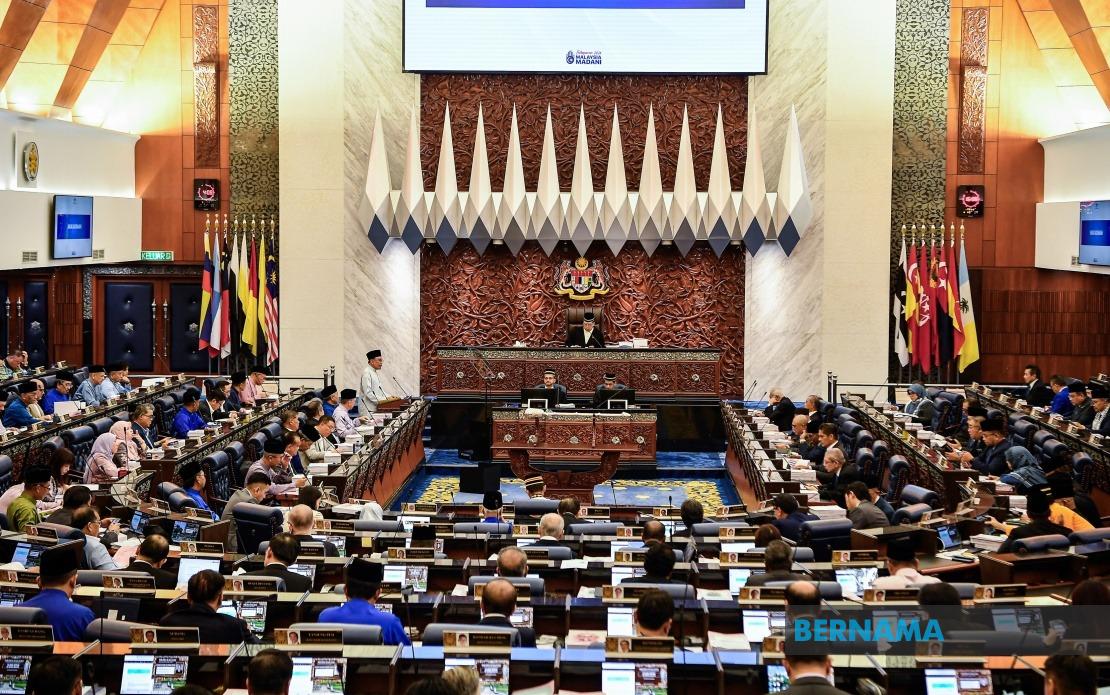
Malaysia has taken a significant legislative step in the digital age, with the Dewan Rakyat approving the Cybercrimes Bill 2026 on July 1, establishing comprehensive legal mechanisms to address emerging threats posed by sophisticated computer-generated content and digitally altered personal material. The passage of this 61-clause legislation, endorsed through a majority voice vote after deliberations involving 48 parliamentarians from both government and opposition benches, represents a watershed moment in the nation's approach to cybersecurity and digital privacy protection.
The core of the new framework targets two interconnected phenomena that have become increasingly prevalent across Southeast Asia: deepfakes, which are synthetic media created through advanced artificial intelligence and machine learning techniques, and the unlawful distribution of intimate images that have been digitally manipulated using sophisticated software. These violations have inflicted profound harm on individuals across the region, causing reputational damage, psychological trauma, and in some cases, contributing to broader patterns of harassment and exploitation. By codifying these activities as criminal offences with associated penalties, Malaysia joins a growing number of jurisdictions recognising the need for legislative response to abuse that occurs entirely within the digital realm.
Deputy Prime Minister Datuk Seri Dr Ahmad Zahid Hamidi, speaking during the bill's final debate, emphasised that the legislation was carefully calibrated to achieve its protective objectives without creating an unchecked surveillance apparatus or displacing existing legal frameworks. His remarks addressed concerns that have surfaced in civil society discussions about previous security-related legislation, particularly fears that new powers might be wielded without adequate oversight. The explicit clarification that the bill does not grant absolute authority to enforcement agencies, and that it operates in concert with—rather than superseding—laws such as the Official Secrets Act 1972, suggests an attempt to balance protective aims with constitutional protections.
A central mechanism embedded within the legislation concerns access to computer systems and the data they contain. Rather than permitting investigative authorities to retrieve digital evidence on demand, the bill establishes procedural requirements that must be followed. Authorities cannot simply exercise a blanket right to examine computers or networks; instead, their actions must remain anchored to concrete investigative necessity and subject to prescribed legal processes. This distinction, though technical, carries substantial implications for how enforcement will function in practice across the federation.
Particularly significant are the restrictions governing data preservation notices. According to the framework articulated by the Deputy Prime Minister, such notices can only be issued when an investigating officer has established reasonable grounds that the data in question is pertinent to an ongoing investigation and faces genuine risk of deletion, alteration, or destruction if immediate intervention does not occur. This requirement prevents the issuance of preservation orders as a fishing expedition or as a means of gathering information speculatively. The threshold of demonstrating both relevance and imminent peril before compelling data retention represents a substantive constraint on state action, distinguishing this approach from regimes where preservation can be ordered more freely.
When it comes to the subsequent disclosure or handover of computer data to authorities, the bill mandates written notification to the individual or entity who possesses ownership or control of the information. This transparency requirement creates a documented trail and provides opportunity for the data holder to understand the scope of what is being demanded and the legal basis for the demand. Importantly, the Deputy Prime Minister stressed that such disclosure cannot proceed absent the scaffolding of a lawful investigation—a phrase that, while requiring judicial interpretation over time, establishes the principle that investigative authority has boundaries and that access to digital records cannot be divorced from legitimate inquiries into specific, legally cognizable harms.
The passage of the Cybercrimes Bill 2026 addresses a gap that has become increasingly untenable as digital technologies have proliferated throughout Malaysian society. The creation and dissemination of deepfakes and non-consensual intimate images has emerged as a genuine social problem, particularly affecting women and marginalised communities who lack resources to pursue lengthy civil remedies or who face barriers in obtaining redress through existing frameworks. By establishing dedicated criminal offences and penalties, the legislation signals governmental acknowledgement of these harms and provides law enforcement with targeted tools to investigate and prosecute such conduct.
The involvement of nearly five dozen parliamentarians from across the political spectrum in the debate preceding passage also carries significance. When legislation addressing sensitive matters like surveillance and digital rights attracts broad engagement from both government and opposition legislators, it suggests that concerns about the bill's scope and safeguards have been aired and, to some extent, addressed. The relative consensus reflected in the voice vote outcome indicates that significant objections either were resolved during deliberation or that parliamentarians determined the protective mechanisms incorporated into the final text were sufficiently robust to merit support despite any residual concerns.
The regional context cannot be ignored when assessing the significance of this Malaysian initiative. Across Southeast Asia, digital technologies are expanding faster than regulatory frameworks can accommodate, creating vulnerabilities that malicious actors exploit. Nations including the Philippines, Thailand, and Indonesia have grappled with the challenge of deepfakes and non-consensual intimate image dissemination, yet comprehensive, dedicated legal responses remain uncommon. Malaysia's approach could serve as a reference point for neighbouring jurisdictions considering their own legislative responses, particularly regarding how to structure safeguards that protect both potential victims and fundamental rights of individuals subject to investigation.
Looking forward, the true measure of the Cybercrimes Bill 2026 will lie in its implementation. Legislation provides a framework, but enforcement agencies must apply it with consistency, restraint, and respect for the protections embedded within its language. Training for investigating officers, establishment of clear protocols, and development of jurisprudence through court decisions will collectively determine whether the bill achieves its intended objectives—providing meaningful protection against serious digital harms while respecting the privacy and civil liberties that Malaysian citizens are constitutionally entitled to enjoy. The bill's passage, therefore, represents not an endpoint but rather the commencement of a new chapter in how Malaysia manages the tensions between security and freedom in an increasingly digital society.

