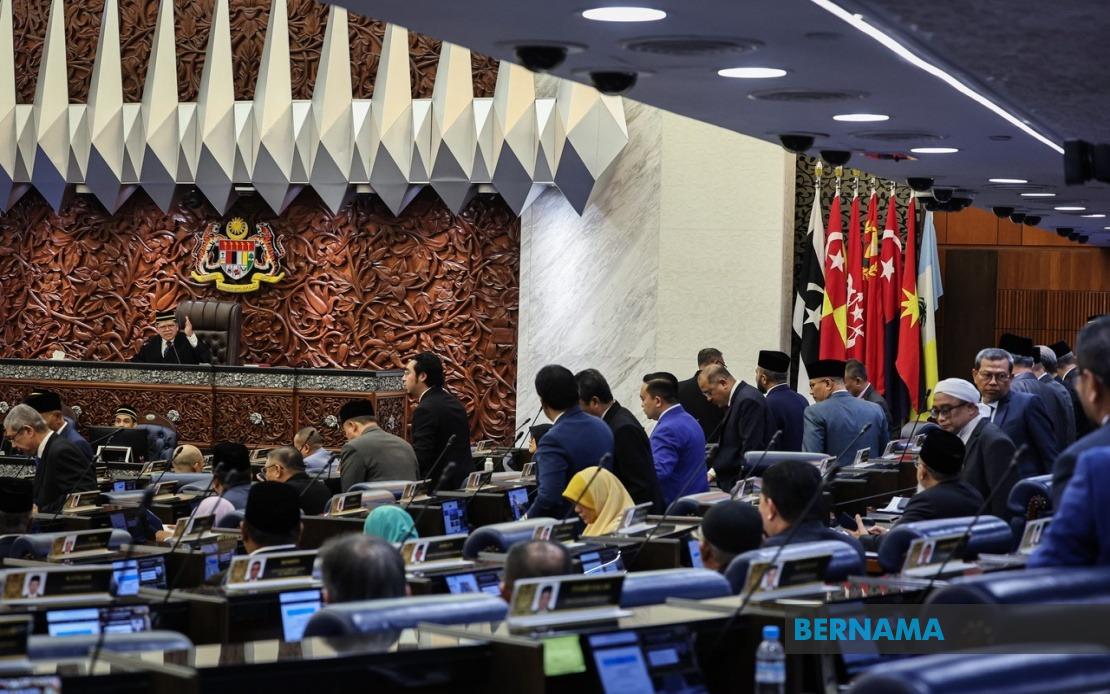
Parliament opened its doors to full debate on the Royal Commission of Inquiry report into Lembaga Tabung Haji on August 11, demonstrating the legislature's role as a forum for scrutinising major institutional failures and governance lapses. Speaker Tan Sri Johari Abdul confirmed that the special sitting was convened at the request of Prime Minister Datuk Seri Anwar Ibrahim, establishing that the chamber would provide comprehensive opportunity for lawmakers from across the political spectrum to examine the commission's key conclusions.
The decision to hold this extraordinary session underscores the significance of the RCI's findings regarding Malaysia's pilgrim savings fund, which has faced persistent questions about financial management and operational integrity. By invoking Standing Order 11(3) of the Dewan Rakyat's procedural framework, the Speaker ensured that the debate would proceed within established constitutional bounds while remaining accessible to public scrutiny. This procedural regularity matters considerably in Malaysia's parliamentary democracy, where adherence to standing orders legitimises debate and distinguishes it from ad-hoc or potentially partisan interventions.
Speaker Johari's emphasis on transparency in governance reflects broader institutional recognition that public confidence in statutory bodies depends on elected representatives' willingness to investigate concerns openly. Lembaga Tabung Haji holds savings and investments on behalf of hundreds of thousands of Malaysian Muslims preparing for the hajj pilgrimage, making the institution's credibility deeply connected to community trust. When governance issues emerge—whether related to investment decisions, asset management, or administrative practices—parliamentary scrutiny provides one mechanism through which accountability can be demonstrated and remedial action identified.
The special sitting mechanism itself represents an important safeguard within Malaysia's parliamentary system. Rather than confining discussion of contentious institutional matters to committee work or closed briefings, allowing full parliamentary debate ensures that multiple perspectives and local constituencies' concerns reach the legislative record. Opposition members gain equal standing to government MPs in examining the RCI's conclusions, a principle that strengthens rather than weakens the legislature's investigative role.
For Malaysian investors and savers who depend on Tabung Haji, parliamentary debate on the RCI report offers transparency about institutional challenges and the government's intended responses. The pilgrimage fund serves not merely as a financial instrument but as a social institution within Muslim-majority Malaysia, meaning any governance failures carry implications beyond balance sheets. When parliament debates such matters publicly, it signals that performance standards apply universally to state-linked institutions.
The Prime Minister's request for the special sitting also carries political significance. By proactively seeking parliamentary debate rather than attempting to manage the RCI findings within government channels alone, the administration demonstrates confidence in the commission's independence and willingness to address findings transparently. This approach contrasts with institutional cultures elsewhere that might seek to minimise or compartmentalise scrutiny of statutory bodies, particularly those with significant public savings at stake.
Regionally, Malaysia's willingness to convene parliamentary debate on institutional governance matters reflects standards that peer Southeast Asian democracies increasingly expect. Countries across the region have strengthened parliamentary oversight mechanisms for sovereign wealth funds and pilgrim-related institutions, recognising that good governance directly affects public confidence in government institutions. The Dewan Rakyat's action situates Malaysia within this broader regional trend toward greater accountability for state-linked entities.
The RCI itself represents an independent investigative mechanism appointed to examine Tabung Haji thoroughly. That parliament then debates the commission's findings rather than simply receiving them as administrative reports indicates a multi-layered approach to institutional accountability. The commission investigates, parliament deliberates, and through this process, remedial measures and policy adjustments can be informed by both expertise and public representative input.
Looking forward, the outcome of parliamentary debate will likely influence how Tabung Haji's leadership responds to RCI recommendations. When lawmakers from different political backgrounds engage with the commission's conclusions in the national legislature, they create public expectations about implementation. Government responses become subject to ongoing parliamentary questioning, establishing continuing oversight rather than one-time review.
For Malaysian stakeholders in the hajj savings scheme and the broader financial system, this parliamentary engagement in institutional governance offers some assurance that performance problems do not disappear from public view. The Dewan Rakyat's role as a deliberative forum creates opportunities for representatives to advocate for their constituents' interests within state-linked institutions, a function particularly important when those institutions hold millions in accumulated savings and affect pilgrimage aspirations across Malaysian society.

