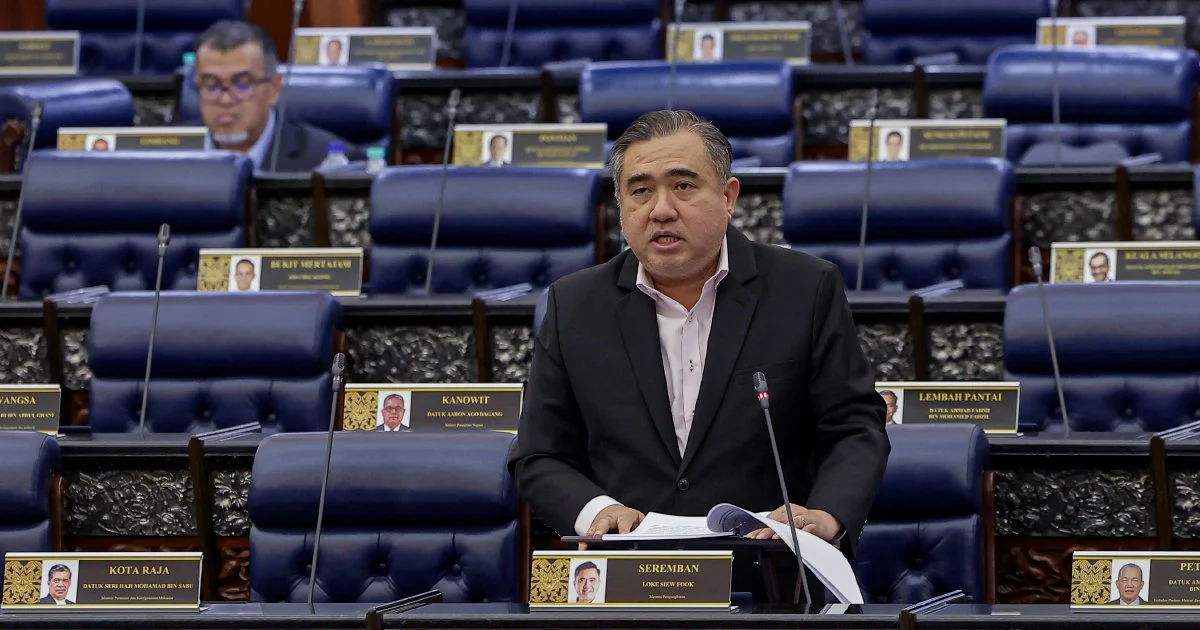
Malaysia's legislative house approved the Road Transport (Amendment) Act 2026 today, marking a significant development in the country's regulatory framework governing vehicle safety and traffic management. The passage of this legislation expands the enforcement toolkit available to transport authorities, building upon the foundational Road Transport Act 1987 that has governed the sector for nearly four decades.
The amendment represents a considered response to evolving challenges within Malaysia's transport ecosystem. Traffic congestion, road safety incidents, and the need for modernised compliance mechanisms have prompted policymakers to revisit and strengthen the 1987 legislation. By amending rather than replacing the original act, parliament preserves institutional continuity whilst introducing contemporary regulatory approaches that reflect current operational realities.
Strengthen regulatory authority lies at the heart of this legislative initiative. The amendment grants transport regulators expanded powers to monitor vehicle standards, enforce compliance with technical specifications, and implement stricter penalties for violations. This enhanced authority becomes particularly relevant as Malaysia's vehicle fleet expands and diversifies, with increasing numbers of commercial vehicles, ride-hailing services, and specialised transport operators requiring coordinated oversight.
Enforcement mechanisms represent another critical dimension of the amendment. Authorities now possess more comprehensive tools to identify non-compliant vehicles, pursue violators, and ensure consistent application of safety standards across the sector. This expanded enforcement capability addresses long-standing concerns about inconsistent compliance amongst certain vehicle operators, particularly in commercial transport and informal service sectors that have historically operated with minimal regulatory oversight.
The timing of this amendment reflects broader regional and international trends. Southeast Asian nations increasingly recognise that robust vehicle regulation directly impacts public safety, environmental quality, and economic competitiveness. Malaysia's amendment aligns with this regional understanding whilst maintaining domestic priorities and conditions. Neighbouring countries' experiences with modernised transport legislation may have informed Malaysian legislators' approach.
For Malaysian road users, the amendment carries practical implications. Enhanced enforcement potentially translates into improved vehicle safety standards on public roads, as operators face greater incentive for compliance. Vehicles will require more rigorous adherence to maintenance schedules and technical specifications, theoretically reducing mechanical failures that contribute to accidents. Commercial operators, particularly those managing large fleets for logistics or passenger transport, will need to reassess compliance procedures and budgeting for regulatory adherence.
Small and medium-sized transport enterprises may experience increased administrative burden and compliance costs. Vehicle operators will require investment in maintenance infrastructure, record-keeping systems, and training to meet expanded regulatory requirements. Industry associations will likely play crucial intermediary roles, helping operators understand and implement new compliance standards whilst maintaining operational viability.
The amendment also signals evolving government priorities regarding road safety. Malaysia's traffic fatality statistics have prompted sustained public health concerns, with road accidents representing a leading cause of injury and death, particularly amongst younger demographics. Regulatory enhancement reflects recognition that mechanical integrity and maintenance standards directly influence accident likelihood. By tightening vehicle regulation, authorities address one component of the multifaceted road safety challenge.
Environmental considerations underpin portions of this legislative framework. Enhanced vehicle regulation increasingly incorporates emission standards and environmental performance metrics. Modernised enforcement mechanisms enable authorities to identify and penalise vehicles operating below environmental thresholds, contributing to air quality objectives and climate-related commitments. This environmental dimension appeals to urban voters and aligns with Malaysia's stated sustainability aspirations.
The digital dimension merits attention. Modern enforcement mechanisms increasingly rely on technological systems—digital compliance tracking, vehicle registration databases, and real-time monitoring capabilities. This amendment likely enables authorities to implement technological solutions for regulatory oversight that were unavailable or impractical under the original 1987 framework. Digital infrastructure investment may follow legislative passage, requiring coordination between transport authorities and technology providers.
Industry stakeholders have presumably engaged with legislators during the amendment development process, though specific parliamentary debates and testimony remain the subject of formal record. Commercial operators, vehicle manufacturers, insurance companies, and consumer advocacy organisations collectively influence regulatory design. The final legislation represents negotiated outcomes reflecting various sectoral interests and public policy objectives.
Looking forward, implementation will determine practical impact. Legislative passage represents formal authorisation but does not automatically translate into on-the-ground regulatory transformation. Transport authorities require adequate resources—personnel, technology, training, and funding—to operationalise expanded enforcement powers. Staggered implementation timelines typically allow industry and enforcement agencies time for preparation and adjustment.
The Road Transport (Amendment) Act 2026 ultimately reflects government commitment to managing contemporary transport challenges through regulatory enhancement. By extending enforcement capabilities and strengthening regulatory authority, Malaysia positions its transport sector to address safety, compliance, and environmental objectives simultaneously. For industry participants, commuters, and policymakers, the amendment's effects will become apparent as implementation proceeds across Malaysia's diverse transport landscape.