A special sitting of the Dewan Rakyat on August 11 saw intensive scrutiny of Tabung Haji's governance failures, with parliamentarians united in demanding comprehensive institutional reforms to prevent future losses and restore confidence in Malaysia's pilgrimage fund. The debate, which consumed more than ten uninterrupted hours from mid-morning, centred on the Royal Commission of Inquiry findings that exposed significant weaknesses in how the organisation managed its operations and investments between 2014 and 2020. The broad consensus that emerged was clear: structural change must replace the current system where institutional strength depends excessively on individuals rather than robust processes and checks.
The scale of financial damage at Tabung Haji crystallised the urgency of reform. Finance Minister II Datuk Seri Amir Hamzah Azizan disclosed that fourteen problematic investments had generated nearly RM13 billion in cumulative losses, with seven investments recording total write-downs. Of this staggering sum, the federal government absorbed RM10.2 billion through a rescue mechanism involving Urusharta Jamaah Sdn Bhd in 2018, while Tabung Haji itself bore RM2.6 billion in additional impairment charges between 2018 and 2025 on remaining portfolio assets. One particularly damaging episode involved Al-Rawda Real Estates Development & Project Management Co Ltd, which received 1.4 billion Saudi riyals—approximately RM1.5 billion—through an intermediary supposedly to secure hotel leases in Madinah and Makkah for pilgrims. When the intermediary failed to honour rental obligations to Tabung Haji, the fund was forced to record a full RM1 billion impairment in 2024, exposing the severe due diligence gaps that characterised investment decisions during this period.
MPs coalesced around several specific legislative and institutional priorities. Chief among these was the urgent need to amend the Tabung Haji Act 1995, which has become inadequate for regulating a modern, complex financial institution managing hundreds of billions in depositor assets. Lawmakers also emphasised that investment oversight mechanisms required substantial strengthening, demanding rigorous vetting procedures, enhanced monitoring systems, and clearer accountability lines. The recurring concern throughout the debate was that Tabung Haji's leadership structure had become vulnerable to political influence, compromising professional standards and fiduciary duty. MPs insisted that institutional safeguards must insulate the organisation from political pressure while simultaneously ensuring that professional competence, not patronage, determined leadership appointments and operational decisions.
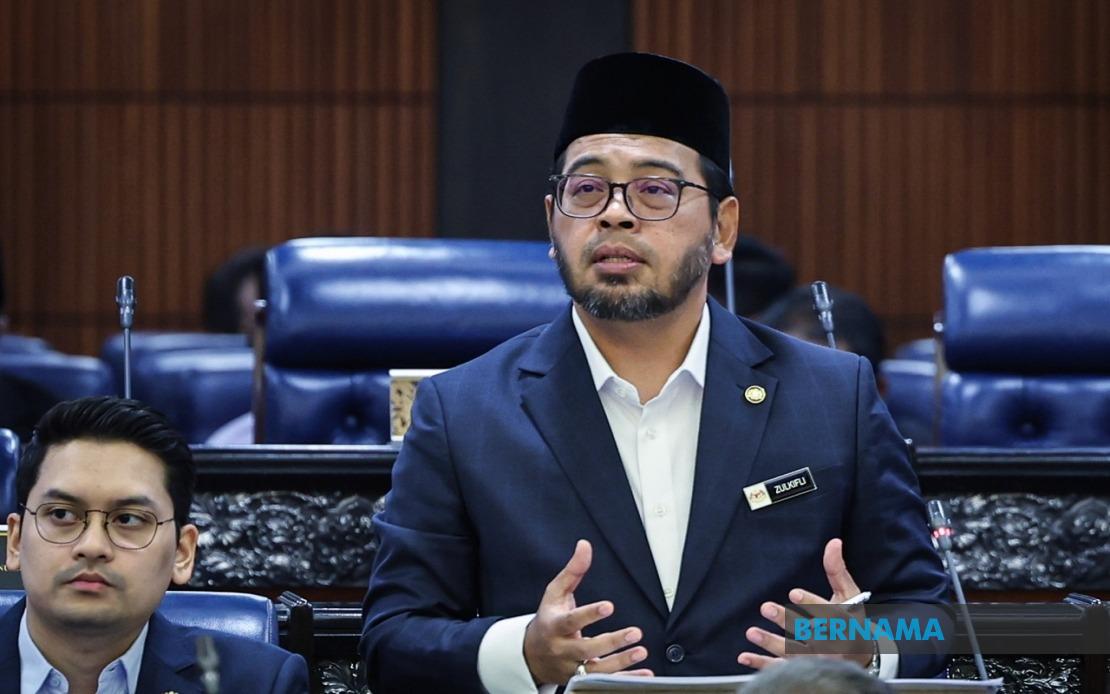
The question of personal accountability for wrongdoing emerged as a particularly contentious element of the debate. Parliamentarians demanded that the RCI's findings be followed by exhaustive, transparent investigations into any misconduct or governance breaches, with enforcement action against individuals found responsible for losses or misconduct. Minister in the Prime Minister's Department (Religious Affairs) Dr Zulkifli Hasan disclosed that authorities had already initiated investigations resulting in several detentions related to alleged bribery, abuse of power, and governance violations. However, MPs made clear that these initial steps were merely a beginning; the broader investigation process must be comprehensive, credible, and visibly independent to restore public faith in the institution.
Dr Zulkifli's address to parliament centred on emphasising that systemic governance must transcend individual personalities. He articulated a vision where every institutional decision flows from law, established policies, documented procedures, proper checks and balances, and paramount consideration of depositor interests. This philosophical reorientation represents a fundamental departure from the personalised leadership style that contributed to Tabung Haji's difficulties. The minister stressed that while individuals inevitably change positions, the governing architecture must remain constant and immutable, thereby guaranteeing that depositor confidence cannot be undermined by leadership transitions or shifting priorities. This framing acknowledges that Malaysian institutions have historically struggled with excessive personalisation of authority—a problem that extends well beyond Tabung Haji and reflects broader governance challenges across the region.
Government measures implemented since 2018 have already begun stabilising Tabung Haji's financial condition, according to ministerial accounts. The administration claims that recovery and reform initiatives have restored the institution's balance sheet, strengthened governance frameworks, and improved investment quality across the remaining portfolio. Tangible evidence of this stabilisation includes maintenance of the pilgrimage cost at RM33,300 across three consecutive seasons from 2024 through 2026—a significant achievement given the financial turmoil of preceding years. For Malaysia's 10 million-plus Tabung Haji depositors, many of whom are middle and lower-income workers saving throughout their lifetimes for the sacred obligation of hajj, such stability carries profound personal significance beyond mere financial metrics.
The government has welcomed a proposal to establish a multi-agency task force specifically focused on investigating investments at risk of generating additional losses. This coordinated approach reflects recognition that Tabung Haji's problems extend beyond internal management failures to encompass complex cross-border transactions, questionable intermediary arrangements, and sophisticated financial structures that no single agency can adequately oversee. The task force model acknowledges that modern financial crime and governance lapses often require coordination between religious affairs authorities, financial regulators, law enforcement agencies, and anti-corruption bodies. For Malaysian governance more broadly, this recognition of the interconnected nature of contemporary institutional failures represents an important shift toward integrated oversight mechanisms.
The decision to delay public release of the RCI report—a choice that drew significant political criticism when announced—was defended as providing Tabung Haji breathing room to implement the Commission's 25 recommendations. By late July, Tabung Haji had reportedly completed approximately 75 per cent of these recommendations, suggesting that early implementation was occurring even before formal public discussion. This sequencing strategy reflects a calculated judgment that rushing to publicise damaging findings without concurrent institutional action might trigger panic among depositors and destabilise the recovery process. Whether this approach ultimately proves justified depends partly on whether the 25 per cent of outstanding recommendations are implemented with equivalent rigour before the political and public attention on this issue fades.
Parliamentary participation in the debate revealed some fractures in institutional accountability. Several opposition MPs chose to boycott the proceedings entirely, declining to participate in what should constitute fundamental legislative oversight responsibility. Proponents of the government positions accused these absent legislators of failing their fiduciary duty to the 10 million depositors whose interests demand careful parliamentary scrutiny. The boycott decision, whether motivated by disagreement with RCI findings, institutional protest, or other political calculations, represents a missed opportunity for opposition voices to shape the reform agenda—a consequence that ultimately disadvantages the depositors these MPs purport to represent. Constructive opposition input into governance frameworks strengthens institutional design far more effectively than abstention.
For Malaysia and Southeast Asian readers, Tabung Haji's travails carry significance extending beyond a single financial institution. The case exemplifies how even nominally independent bodies can fall victim to governance decay characterised by inadequate investment due diligence, susceptibility to political pressure, and insufficient accountability mechanisms. Many regional economies feature similar institutions—sovereign wealth funds, social security bodies, religious trust organisations—that warrant comparable scrutiny. The RCI process and subsequent parliamentary debate demonstrate that Malaysia possesses institutional mechanisms for identifying and, potentially, remedying governance failures, though the effectiveness of these mechanisms ultimately depends on political will to implement difficult recommendations and pursue accountability regardless of individuals' political standing or relationships.
The path forward requires sustained commitment beyond parliamentary debate. The proposed legal amendments to Tabung Haji's governing statute must proceed through the legislative process without political dilution. The multi-agency task force must possess genuine independence and adequate resources to pursue investigations thoroughly. The individuals already detained must face transparent judicial processes that demonstrate whether misconduct occurred and what consequences flow from violations. Most fundamentally, Tabung Haji's senior leadership must embed systems-based governance sufficiently robust that future institutional strength no longer depends on the personal integrity of any individual officeholder. Only through such comprehensive transformation can the millions of Malaysian Muslims who save throughout their lives for hajj fulfil this pillar of Islamic faith with genuine confidence that their accumulated resources will remain secure and available when needed.

