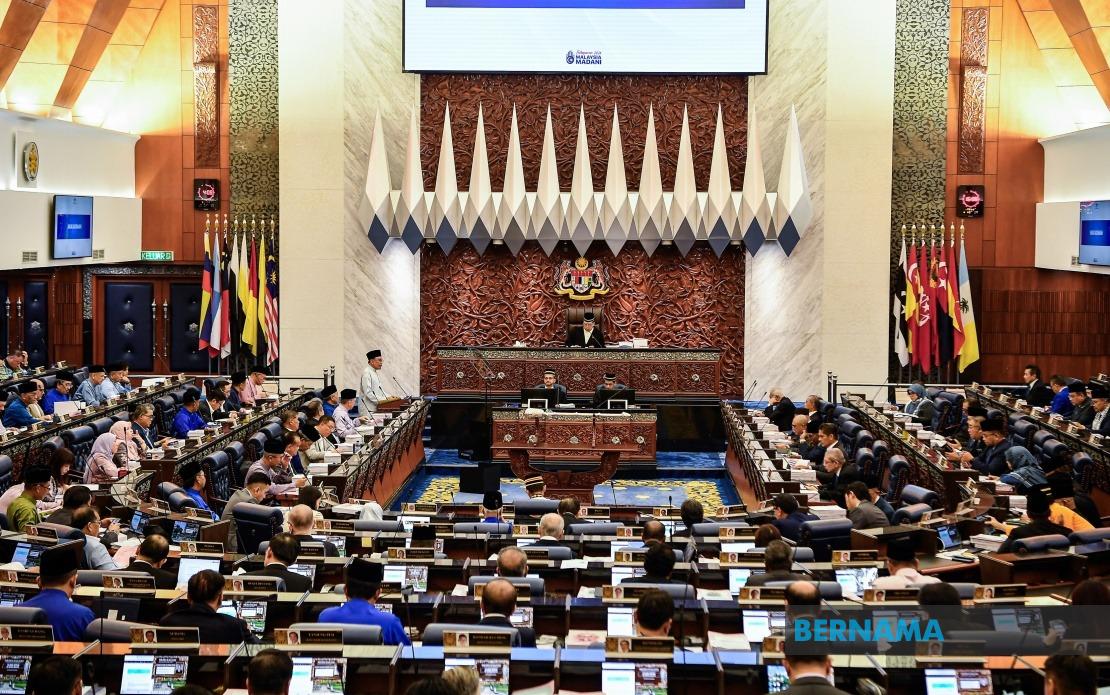
Parliament's lower house has given formal approval to the Malaysian Communications and Multimedia Commission (Amendment) Bill 2026, marking a significant step toward bolstering the institutional framework that oversees the nation's bustling communications and multimedia sector. The legislation cleared its final hurdle on July 15 following a voice vote in the Dewan Rakyat, with members from both government and opposition coalitions participating in substantive debate before the measure passed with majority support.
Deputy Communications Minister Teo Nie Ching articulated the bill's central purpose during her closing remarks: ensuring the MCMC maintains sustainable operations as it navigates the increasingly complex landscape of Malaysia's rapidly evolving digital economy. The amendments address both structural governance matters and practical operational constraints that have accumulated since the commission's regulatory framework was last substantially updated. Teo emphasised that the statutory criteria guiding ministerial appointment of the MCMC chairman and commission members—qualifications, integrity, professional experience, and leadership capacity—remain anchored to objective institutional standards rather than partisan considerations.
A notable provision within the bill requires that the MCMC chairman must maintain independence from any legislative body, a safeguard explicitly designed to mitigate potential political conflicts of interest. While ministerial appointment authority has existed since 1998, this amendment introduces an additional layer of institutional separation intended to insulate the regulator's decision-making from parliamentary and political pressures. This distinction proves particularly relevant in Malaysia's context, where concerns about regulatory capture and political influence on independent agencies have periodically surfaced in public discourse and parliamentary scrutiny.
The amendment also significantly increases MCMC's financial autonomy by raising the contract approval threshold from RM5 million to RM50 million. This tenfold expansion brings the commission's procurement authority into alignment with the Procurement Regulations for Federal Statutory Bodies WP7.5, established by the Finance Ministry to standardise spending protocols across government-funded entities. Federal statutory bodies receiving internal funding allocations may theoretically approve procurements reaching RM499 million under these guidelines, yet the Finance Ministry opted for a more conservative RM50 million ceiling for MCMC to reflect a measured, proportionate approach to delegated spending authority.
Teo highlighted that the procrastination in revising this threshold since 1998 had rendered it increasingly disconnected from Malaysia's contemporary economic realities. Inflation, accelerating technological advancement, and escalating material and labour expenses have substantially amplified the nominal value of contracts required to maintain comparable infrastructure and service delivery. Allowing MCMC to approve larger individual contracts without repeatedly escalating matters to the minister streamlines administrative efficiency and enables more responsive procurement decisions in a sector where technology cycles operate at rapidly diminishing intervals.
Opposition parliamentarian Dr Halimah Ali, representing Kapar under the Pan-Malaysian Islamic Party banner, seized the debate to articulate broader concerns about MCMC's operational independence from political interference. She proposed that Malaysia adopt an appointment mechanism modelled on the Human Rights Commission of Malaysia (SUHAKAM), whereby commissioners would emerge through a more transparent, competitive process emphasising expertise and credibility rather than ministerial discretion. Additionally, she urged the government to establish systematic recording and parliamentary tabling of all ministerial directions issued to the commission, creating an auditable paper trail of political engagement with regulatory decisions.
Datuk Mas Ermieyati Samsudin, the Masjid Tanah representative from Perikatan Nasional, pursued a complementary line of questioning centred on institutional checks and balances. Her focus extended to the Universal Service Provision Fund, which represents a crucial mechanism for extending communications infrastructure to underserved rural and remote communities across Malaysia. She advocated for enhanced transparency regarding USP Fund utilisation, stronger audit frameworks, and periodic parliamentary reporting on fund deployment and outcomes. These interventions reflect a consistent theme emerging from multiple parliamentary quarters: the conviction that stronger oversight mechanisms and public accountability would reinforce public confidence in MCMC's stewardship.
Dr Richard Rapu of the Democratic Action Party representing Betong in Sarawak characterised the amendments as constituting more than incremental technical adjustments. He framed the legislation as foundational to constructing a regulatory architecture sufficiently robust, professionally administered, and forward-thinking to discharge MCMC's mandate across Malaysia's rapidly digitalising economy. His remarks positioned the bill within the broader context of regulatory modernisation necessary to support digital infrastructure development, cybersecurity resilience, and competitive market dynamics in a sector increasingly central to national economic strategy.
The convergence of government and opposition support, despite divergent emphases regarding independence and transparency, suggests substantial parliamentary consensus that the MCMC framework required updating. Malaysia's communications sector has undergone transformative changes since 1998, encompassing broadband expansion, mobile network proliferation, over-the-top digital services, and emerging challenges around digital content regulation and data protection. The amendment bill acknowledges implicitly that regulatory institutions must evolve commensurate with their operating environment or risk becoming progressively less relevant to their statutory purpose.
For Malaysian stakeholders in telecommunications, broadcasting, internet services, and digital media enterprises, the amendments carry tangible implications. Higher contract approval thresholds potentially accelerate procurement timelines for infrastructure investments and technology modernisation, enabling the MCMC to respond with greater agility to market developments and competitive pressures. Enhanced financial autonomy, when paired with robust institutional oversight, can facilitate more dynamic regulatory responses to emerging technologies and service models that may not fit neatly within existing regulatory categories.
The passage of the MCMC Amendment Bill 2026 reflects parliament's recognition that regulatory institutions require periodic structural reassessment to maintain effectiveness. Whether the amendments adequately address opposition concerns about independence and transparency will likely become apparent through implementation and the commission's operational conduct in the coming months. Regional observers monitoring Malaysia's regulatory trajectory, particularly given the country's aspirations toward digital economy leadership within Southeast Asia, will find the MCMC's enhanced mandate and institutional autonomy worth tracking as the commission navigates the complexities of regulating Malaysia's communications future.

