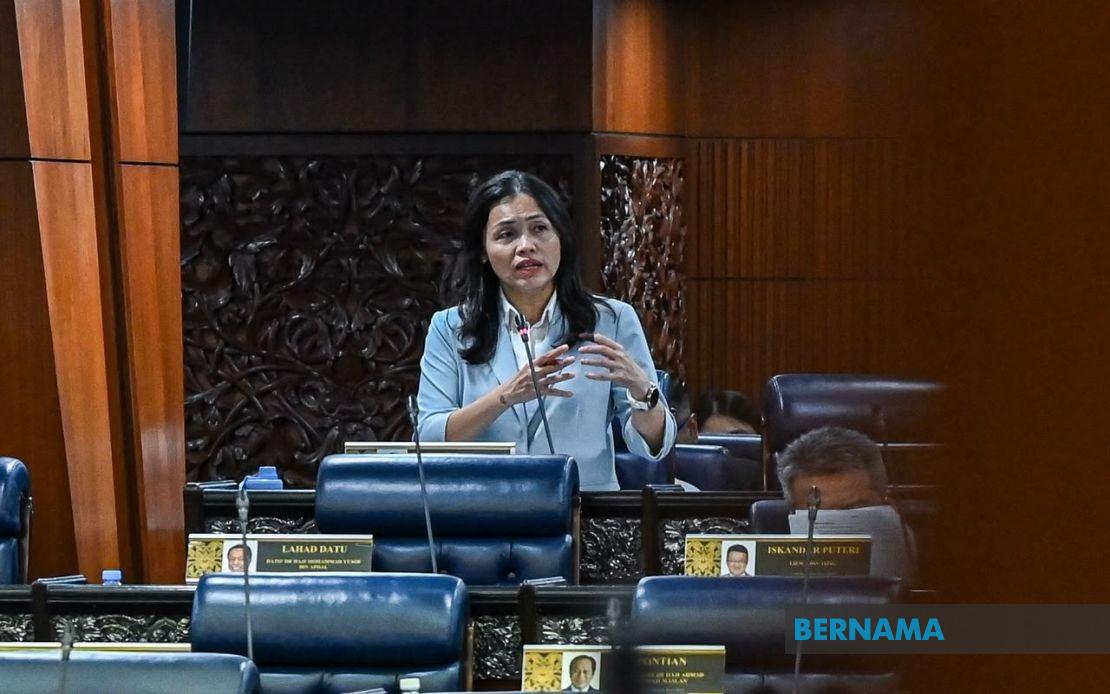
Parliament has endorsed a significant overhaul of Malaysia's telecommunications regulatory framework by passing the Communications and Multimedia (Amendment) Bill 2026, marking a pivotal moment in the country's approach to digital governance during an era of rapid technological upheaval. The legislation, which garnered support through a majority vote following debate among 18 Members of Parliament, introduces a modernised legal structure designed to respond to evolving threats and technical challenges while maintaining accessibility and affordability for all Malaysians.
Deputy Communications Minister Teo Nie Ching explained that the core purpose of the amendments centres on embedding security considerations into the National Universal Service Provision (USP) initiative, a new framework intended to guarantee equitable access to communications infrastructure. Rather than expanding regulatory authority into domains already overseen by other government bodies, the amendments remain narrowly focused on the communications and multimedia sector, specifically addressing how network operators must deploy infrastructure and maintain service standards. This deliberately circumscribed scope reflects parliamentary concern about maintaining clear institutional boundaries and avoiding regulatory overlap.
The decision to embed national security principles within the USP framework reflects Malaysia's acknowledgment that modern telecommunications networks constitute critical infrastructure requiring protective measures aligned with geopolitical realities. Deputy Minister Teo articulated that the amendments ensure the legal architecture governing Malaysian communications remains contemporaneous with technological advancement, regional security considerations, and the nation's deepening dependence on digital systems for economic activity, emergency response, and government service delivery. This forward-looking approach recognises that yesterday's regulatory framework proves inadequate for tomorrow's challenges.
A central concern voiced throughout parliamentary debate centred on whether the USP initiative would ultimately burden consumers through increased service fees. The government provided explicit reassurance that the USP Fund derives its revenue from mandatory contributions made by licensed telecommunications providers operating under Act 588, rather than from user tariffs. Furthermore, accumulated funds can be deployed solely for constructing network infrastructure and delivering associated services, creating a structural safeguard against cost-shifting to households. This revenue model represents a choice to distribute implementation costs primarily among industry players rather than individual consumers.
Rural and peripheral communities stand to gain substantially from the legislative reforms. Parliamentarians representing constituencies encompassing isolated regions, including Datuk Suhaimi Nasir from Libaran in Sabah, emphasised that the amendments must prioritise closing connectivity gaps affecting interior, coastal, and island communities where reliable communications infrastructure remains inadequate or entirely absent. These areas frequently experience critical deficiencies during natural disasters or emergencies, when stable telecommunications become essential for coordinating relief operations and ensuring vulnerable populations receive timely assistance. The USP framework addresses this disparity by establishing standardised minimum service obligations that operators must meet across all regions.
Debate participants raised pointed questions regarding the financial administration and transparency of the existing Kumpulan Wang USP (USP Fund). Datuk Mohd Suhaimi Abdullah, representing Langkawi, requested that the Communications Ministry publicly disclose the fund's current reserves and articulate detailed spending plans, ensuring that the legislative amendment does not inadvertently redirect resources away from rural telecommunications development projects. This scrutiny reflects legitimate parliamentary oversight concerns about budget allocation and the need to safeguard investments targeting connectivity in less-profitable regions where private operators might otherwise underinvest.
Cybersecurity emerged as a secondary but increasingly pressing dimension of the amendments. Datuk Shahelmey Yahya from Putatan called for regular government gazetting of novel digital manipulation techniques, enabling citizens to implement protective measures for personal information and financial accounts. This proposal acknowledges that technological threats evolve rapidly, and public awareness campaigns must remain contemporary to remain effective. He additionally urged the Malaysian Communications and Multimedia Commission (MCMC) to expand its internal cybersecurity capabilities, recognising that regulatory bodies require sophisticated technical expertise to identify emerging vulnerabilities and enforce compliance standards effectively.
The passage of these amendments positions Malaysia within a broader regional trend toward integrating security considerations into telecommunications policy. Across Southeast Asia, governments increasingly recognise that communications networks represent strategic assets requiring explicit protective frameworks. Malaysia's approach, by maintaining clear boundaries between the communications sector and other regulated industries, offers a model balancing security objectives against regulatory clarity. The decision to avoid broadening Act 588's jurisdictional scope suggests parliamentary awareness that institutional fragmentation and overlapping mandates create enforcement confusion and compliance burdens for operators.
The amendments carry particular significance for Malaysia's digital economy development. As the nation invests heavily in 5G deployment, artificial intelligence adoption, and expanded cloud services, underlying infrastructure security becomes fundamental to investor confidence and service reliability. The USP framework's integration of security principles ensures that network operators build resilience and continuity planning into their operational models from inception rather than retrofitting protections after vulnerabilities appear. This preventive approach proves substantially more cost-effective than remedial measures implemented after security incidents occur.
Implementation of the amended framework will require close coordination between the MCMC, the Communications Ministry, and telecommunications licensees to establish specific security standards, infrastructure development timelines, and performance metrics. The government's commitment to financing the USP through industry contributions rather than general taxation suggests confidence that the regulatory burden imposed on operators proves proportionate to the benefits they derive from guaranteed market access and standardised operating requirements. Moving forward, parliament may need to monitor whether the fund accumulates at adequate levels to meet infrastructure demands in genuinely remote regions where deployment costs significantly exceed revenue generation potential.
The legislative outcome reflects Malaysian parliamentarians' recognition that communications infrastructure governance must evolve alongside technological change and security challenges. By approving these amendments without imposing consumer cost increases, legislators have attempted to balance three competing interests: national security imperatives, equitable service access, and consumer affordability. Whether implementation delivers effectively on all three objectives will significantly influence public confidence in digital infrastructure and the government's capacity to manage complex technological policy challenges going forward.

