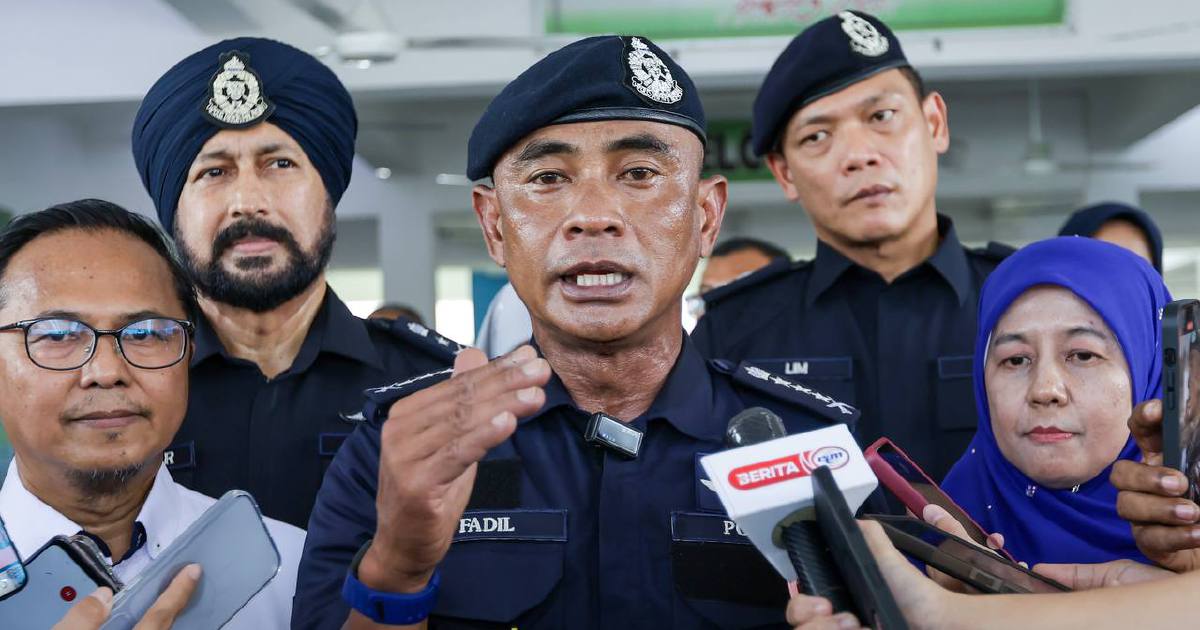
A routine parking disagreement at Viva Home shopping centre in Cheras spiralled into a full-scale altercation on Monday, prompting police officers to intervene and detain 12 men at the scene. The incident, which unfolded in the busy parking area of the sprawling mall, underscores the recurring friction that emerges when vehicle spaces become contested in high-traffic commercial zones across Kuala Lumpur.
Parking-related disputes have become increasingly common flashpoints for public disorder in Malaysian shopping centres, particularly during peak hours and festive seasons when visitor numbers surge dramatically. The Cheras incident reflects a broader pattern: as urban density increases and parking demand far outstrips available spaces, minor disagreements over vehicle positioning or space allocation frequently escalate into confrontations. The involvement of multiple individuals suggests the conflict may have originated from a simple misunderstanding but quickly drew in bystanders or associates of those involved.
Viva Home, a major shopping destination in the Cheras area, attracts thousands of visitors daily seeking retail, dining, and entertainment options. The mall's parking infrastructure, like many established shopping complexes in the Klang Valley, operates under constant strain during operating hours. When disputes arise in these high-pressure environments, the combination of frustration over limited spaces, heat, and close proximity between vehicle owners creates a volatile situation that can rapidly deteriorate into physical conflict.
The decision by authorities to detain all 12 individuals suggests that multiple people actively participated in the brawl rather than merely witnessing it. Police responses to such incidents typically involve separating combatants, taking statements from witnesses, and establishing the sequence of events that led to violence. The detention of this many individuals indicates the altercation involved substantial numbers and possibly multiple waves of physical engagement.
Mall management and security personnel often face challenges in de-escalating parking-related tensions before situations reach the point of physical violence. Shopping centres depend heavily on positive customer experiences, yet parking frustrations frequently undermine the otherwise pleasant visit. Security teams must balance rapid intervention with careful handling to avoid appearing heavy-handed with legitimate customer complaints about parking fairness or space availability.
This incident serves as a cautionary reminder to motorists about maintaining composure when parking disputes arise. What begins as a disagreement over a parking space—fundamentally a minor inconvenience—can rapidly become a police matter with potential legal consequences for those involved. Individuals arrested in such incidents may face assault charges, disorderly conduct allegations, or other criminal charges depending on the nature and severity of their actions during the brawl.
For Malaysian shopping centres, parking management remains a critical operational challenge requiring ongoing attention. Many established malls have upgraded their systems with better signage, automated space-finding technology, and increased security presence specifically to address parking-related issues. Yet human behaviour remains the unpredictable variable—education campaigns encouraging civility in parking areas have shown limited effectiveness compared to actual infrastructure improvements.
The Cheras incident also highlights the broader context of public safety within commercial spaces. Shopping malls are private properties where management bears responsibility for visitor safety, yet they simultaneously depend on police assistance when situations escalate beyond the scope of private security. This partnership between mall operators and law enforcement becomes particularly important during high-volume periods when single incidents can disrupt operations for numerous customers.
For residents and regular visitors to Kuala Lumpur shopping centres, such incidents serve as a practical reminder of the importance of patience and courtesy when navigating shared parking facilities. The few minutes potentially saved by parking closer to a mall entrance rarely justify the risk of confrontation with other motorists, who may respond unexpectedly to perceived slights or rule violations. The financial and reputational costs of police involvement, potential legal liability, and personal safety risks make parking courtesy an economically rational choice as well as a socially responsible one.
The incident at Viva Home reflects systemic challenges within Malaysian urban retail environments that will likely persist unless comprehensive approaches address both physical infrastructure and cultural attitudes toward shared spaces. Shopping centre operators, security personnel, and customers all contribute to either preventing or enabling escalation of minor disputes. As Kuala Lumpur continues growing and parking pressures intensify, the need for collaborative solutions—spanning better design, technology integration, and community awareness—becomes increasingly urgent to prevent future parking-related violence.

